A Moment Frozen in Crimson and Ochre: Exploring Mark Rothko’s “The Proposal”
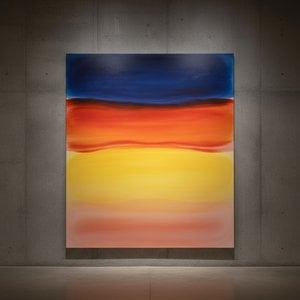
Mark Rothko's "The Proposal," painted in 1932/1933, transcends mere representation; it embodies a profound exploration of human connection against the backdrop of quiet contemplation. This striking canvas captures a seemingly simple scene – two figures seated before a fireplace – yet within its minimalist aesthetic lies layers of emotional resonance and artistic innovation that continue to captivate audiences today. The artwork’s muted palette—primarily shades of red and orange—immediately establishes an atmosphere of intimacy and warmth, mirroring the unspoken dialogue between the subjects.
Style and Technique: Color Field Painting at Its Finest
Rothko pioneered the color field painting movement, rejecting traditional illusionistic techniques in favor of large-scale canvases dominated by blocks of saturated color. “The Proposal” exemplifies this approach perfectly. Rothko meticulously applied thin layers of pigment to prepare the canvas, followed by multiple coats of matte varnish to achieve a velvety surface texture. This technique prioritizes color itself as the primary vehicle for conveying emotion and experience—a deliberate departure from representational art’s focus on depicting external reality. The absence of discernible contours or detailed imagery forces viewers to engage directly with the hues, allowing them to interpret the painting's mood and significance through subjective perception.
Historical Context: Navigating Uncertainty Amidst Artistic Breakthrough
Painted during a period of significant artistic experimentation in Europe—particularly in New York City—Rothko’s work reflects the anxieties and aspirations of his time. The Depression era fostered a preoccupation with existential questions, mirroring Rothko's own intellectual engagement with Marxism and psychoanalysis. Simultaneously, he was grappling with personal loss following the death of his father, influencing his artistic vision and fueling his desire to express profound emotional states. “The Proposal” stands as a testament to this spirit of inquiry, reflecting the broader cultural landscape of its creation.
Symbolism Beyond Surface Appearance
While visually understated, "The Proposal" is rich in symbolic potential. The fireplace serves as more than just a decorative element; it represents warmth, comfort, and domesticity—elements crucial to fostering connection and intimacy. The muted colors – red and orange – are often associated with passion, desire, and vitality, yet their subdued tones suggest restraint and contemplation. Rothko’s masterful use of color invites viewers to consider themes of vulnerability, unspoken emotion, and the complexities of human relationships.
Emotional Impact: A Canvas That Speaks Volumes
Ultimately, “The Proposal” succeeds in conveying a powerful emotional experience without resorting to explicit imagery. The painting's contemplative stillness encourages introspection and prompts viewers to confront their own feelings about love, companionship, and life’s fundamental questions. Rothko’s intention wasn’t to depict a specific narrative but rather to evoke an atmosphere of profound emotion—a feat achieved through the sheer force of color and texture. It remains a compelling reminder that art can communicate truths far deeper than words alone.
问答详情
马克·罗斯科 的《The Proposal》 这件作品的色调是明亮的还是深沉的?
就视觉亮度而言,马克·罗斯科 的《The Proposal》 呈现出 deep_shadow 的效果。
马克·罗斯科 的《The Proposal》 是如何将 Color Field 与艺术家的祖籍国联系在一起的?
通过创作者的出生地,《The Proposal》将Color Field运动与拉脱维亚紧密联系在了一起。
马克·罗斯科 的《The Proposal》 中占据主导地位的是哪些颜色?
"The Proposal" 的色彩基调由以 Espresso (#5d432d) 为主的 Earthy 色系构成。