
 Acrylic On CanvasWallArtAbstract Expressionism
 1942
1942 72.0 x 52.0 cm
博物馆级艺术微喷或帆布版画,制作高效,并提供多种饰面选择。 ( 购买手绘画作 切换至数字图像销售渠道)





























从与原作比例一致的预设尺寸中进行选择。

您可以输入自定义尺寸,以适配特定的画框或空间。如果您选择的尺寸与原图比例不符,我们将对作品进行裁剪,或通过镜像填充/纯色填充边缘的方式来扩展图像。在开始制作之前,我们会向您发送一份数字效果图供您确认。
请注意,屏幕上的预览并不能反映实际的裁剪或扩展效果。只有效果图才能准确展示最终的构图。
虽然我们提供定制尺寸,但为了保持原图比例,我们建议您从预设列表中选择尺寸。

The Omen of the Eagle
复制品尺寸
Mark Rothko's The Omen of the Eagle, painted in 1942 during a period of immense upheaval for the artist – marked by personal loss and the looming shadow of World War II – is not merely a painting; it’s an immersive experience. This vertical canvas, measuring 72 x 52 cm, immediately draws the viewer into a world of muted intensity, dominated by three monumental, fluorescent-yellow faces that hover above a field of carefully orchestrated stripes. The palette—brick red, navy blue, and taupe—creates a sense of profound stillness, while the pale pink feet at the base introduce an unsettling element of vulnerability and decay. It’s a composition steeped in emotional resonance, reflecting Rothko's lifelong preoccupation with themes of mortality, trauma, and the human condition.
The painting’s technique is deceptively simple yet profoundly effective. Rothko employed a layering method, applying thin strokes of slate blue to delineate the contours of the faces and hair, creating an illusion of depth and shadow that subtly shifts with the viewer's perspective. The wavy silvery-blue lines across the heads add a ghostly quality, suggesting a fleeting presence or perhaps a premonition. The deliberate flatness of the paint surface – a hallmark of Rothko’s style – encourages the eye to move across the canvas, searching for connections and patterns within the seemingly abstract forms. This technique, combined with the bold color choices, aims to evoke an emotional response rather than depict a literal scene.
The three yellow faces are arguably the painting’s most arresting feature. Their blocky, almost mask-like quality suggests anonymity and universality – they represent not individual identities but rather the shared experience of suffering. The single, piercing eye in one face directs our gaze outward, as if inviting us to contemplate the world beyond the canvas. The absence of eyes in the other two adds to this sense of detachment, hinting at a loss of connection or awareness. Rothko himself often resisted definitive interpretations of his work, preferring that viewers find their own meaning within the composition. However, the inclusion of an eagle – prominently positioned on the right side – is particularly significant. Eagles are potent symbols of power, vision, and spiritual insight, frequently associated with prophecy and transcendence in Western art history. Its presence here could be interpreted as a yearning for elevation beyond earthly suffering, or perhaps a warning about impending doom.
The horizontal bands, punctuated by the apricot-colored comma shapes below the faces, create a sense of grounding while simultaneously disrupting the stability of the composition. These forms, reminiscent of musical notes, introduce an element of rhythm and movement, suggesting a subtle undercurrent of anxiety or unease. The backward commas themselves can be seen as symbols of regression – a retreat from the world, perhaps – mirroring the artist’s own feelings of displacement during this turbulent period.
Painted in 1942, *The Omen of the Eagle* reflects the anxieties and uncertainties of World War II. Rothko's personal life was also marked by profound loss – his father’s death shortly after the family’s immigration to Portland, Oregon, had left an indelible mark on him. This experience, coupled with the broader political climate, fueled a deep exploration of existential themes within his art. The muted colors and somber mood of the painting can be seen as a response to the pervasive sense of dread that gripped Europe during this era. It’s important to note that Rothko was deeply affected by the plight of European Jews during the war, and his work often grappled with issues of persecution and displacement.
Despite its historical context, *The Omen of the Eagle* continues to resonate powerfully with viewers today. Its evocative use of color, form, and texture creates a deeply moving experience, inviting contemplation on themes of loss, hope, and the search for meaning in a chaotic world. A high-quality reproduction captures much of this emotional intensity, offering a window into Rothko’s unique artistic vision. WahooArt offers meticulously crafted reproductions that faithfully recreate the painting's subtle nuances and atmospheric depth, allowing you to bring this haunting meditation into your own space – a testament to the enduring power of art to provoke thought and evoke emotion.

1903 - 1970 , 拉脱维亚
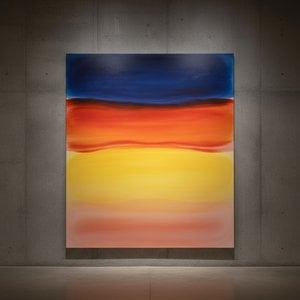
Explore the profound emotional depth of Mark Rothko's abstract expressionism. Discover the history, techniques & lasting impact of this pivotal Color Field painter. Expert insights for collectors and art enthusiasts.

Explore the profound emotional depth of Color Field painting. Discover the history of mid-century abstraction, from Rothko to Newman, and learn how pure color transforms the viewer's experience through our expert art history guide.

探索抽象表现主义的十幅经典杰作!波洛克、罗斯科等大师作品,揭秘艺术史上的重要瞬间。WahooArt.com为您呈现高品质艺术品复制和精选家居装饰方案,感受现代艺术的力量与魅力。立即浏览全系列!

Explore the profound history and emotional depth of Color Field painting. From Mark Rothko to Barnett Newman, discover how pure color redefined modern art through our expert-led guide for students and collectors alike.
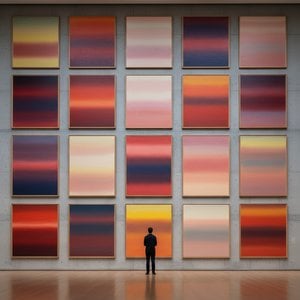
探索马克·罗斯科25幅杰作,感受抽象表现主义的色彩力量与深刻情感。从经典色域绘画到无题系列,了解艺术史上的大师及其作品背后的故事。WahooArt.com提供博物馆级高质量复制品,为您的家居装饰带来艺术灵感!立即探索完整收藏。


 效果预览
效果预览
 分享
分享 分享
分享
 详情
详情 指南
指南

 下载
下载
 相似作品
相似作品 X射线
X射线 幻灯片播放
幻灯片播放 统计数据
统计数据 展开详情
展开详情









 玻璃选项仅适用于110厘米以下的尺寸。


