
 Acrylic On CanvasWallArtAbstract Expressionism
 1964Modern
 267.0 x 204.0 cm
博物馆级艺术微喷或帆布版画,制作高效,并提供多种饰面选择。 ( 订购此收藏品的纯手工复刻画作 切换至数字图像销售渠道)





























您可以从与原作比例一致的预设尺寸中进行选择。

请输入您所需的宽度和高度,以适配您的画框或墙面。由于印刷品只能进行裁剪,无法超出原图尺寸,因此若比例不一致,画面的一部分将会被裁切。在正式印刷之前,我们会为您发送一份数字效果图供您确认。本页面显示的图片并非最终裁剪后的效果——只有效果图才能展示真实的裁剪情况。
No. 8
复刻品尺寸说明
Mark Rothko's “No. 8,” painted in 1964, isn’t merely a depiction of rectangles; it’s an immersion into the profound anxieties and spiritual yearning that defined his mature style. The sheer scale – 267 x 204 cm – immediately commands attention, enveloping the viewer within its dark expanse. This monumental canvas speaks to a desire for something beyond the everyday, a reaching towards an unknowable truth. The muted palette of deep blacks punctuated by sparse, luminous whites creates a tension that is both unsettling and deeply compelling. It’s a painting that demands contemplation, inviting the observer to confront their own perceptions of light, shadow, and ultimately, existence itself.

(Image Placeholder - Replace with an actual image of the artwork)
Rothko’s technique, rooted in a meticulous layering of translucent acrylic paint, is crucial to understanding “No. 8.” He didn't employ traditional brushstrokes; instead, he built up the color fields through countless thin washes, creating an almost velvety texture. This process, known as ‘allagrismi,’ allowed the colors to bleed into one another subtly, generating a shimmering effect and imbuing the painting with a sense of movement and depth. The rectangles themselves aren’t static forms; they seem to pulse with an inner light, shifting in appearance depending on the viewer's perspective and the ambient lighting. This deliberate ambiguity is key – Rothko sought to evoke emotion rather than represent a concrete subject.
Born Markus Yakovlevich Rothkowitz in 1903, in Daugavpils, Latvia, Mark Rothko’s life was profoundly shaped by displacement and loss. His early experiences – the pogroms, his father's death, and the family’s emigration to Portland – instilled a deep-seated awareness of human suffering. This trauma became the bedrock of his artistic vision. “No. 8,” created during a period of intense personal struggle, reflects this preoccupation with mortality and the search for solace in the face of existential dread. The painting can be seen as an attempt to grapple with these difficult emotions through abstraction, offering a visual representation of the intangible.
While Rothko resisted definitive interpretations of his work, art historians have identified recurring motifs within his paintings. The rectangles are often interpreted as representing windows or portals – glimpses into another realm, perhaps reflecting the artist’s own yearning for transcendence. The darkness isn't simply a lack of light; it symbolizes the unknown, the unconscious, and the inevitability of death. The small white rectangles, strategically placed, act as beacons of hope within this oppressive darkness, offering a fragile suggestion of redemption or spiritual awakening. “No. 8” is not about providing answers but about posing profound questions – questions that resonate deeply with the human condition.

1903 - 1970 , 拉脱维亚
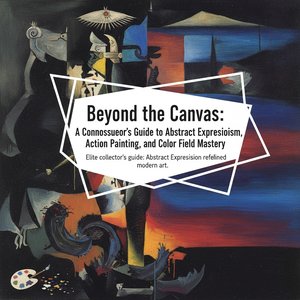
Unveil the visceral power of Abstract Expressionism. Our expert exploration delves into the transformative legacies of Pollock, Rothko, and De Kooning, offering discerning collectors a profound understanding of the New York School’s enduring mastery and historical impact.


 实景预览
实景预览
 发送
发送 分享
分享
 详情
详情 指南
指南

 下载图片
下载图片
 相似作品
相似作品 X射线
X射线 幻灯片播放
幻灯片播放 统计数据
统计数据 阅读全文
阅读全文









 玻璃选项仅适用于110厘米以下的尺寸。


