
博物馆级艺术微喷或帆布版画,制作高效,并提供多种饰面选择。 ( 订购此收藏品的纯手工复刻画作 切换至数字图像销售渠道)





























您可以从与原作比例一致的预设尺寸中进行选择。

请输入您所需的宽度和高度,以适配您的画框或墙面。由于印刷品只能进行裁剪,无法超出原图尺寸,因此若比例不一致,画面的一部分将会被裁切。在正式印刷之前,我们会为您发送一份数字效果图供您确认。本页面显示的图片并非最终裁剪后的效果——只有效果图才能展示真实的裁剪情况。
No. 7
复刻品尺寸说明
Mark Rothko's “No. 7,” painted in 1964, isn't merely a canvas adorned with color; it’s an invitation to a profoundly personal and contemplative experience. This monumental work, executed in oil on canvas, exemplifies the core tenets of Rothko’s Color Field aesthetic – a deliberate rejection of representational imagery in favor of pure emotional expression. The painting immediately commands attention with its dominance of deep charcoal gray and black hues, colors that evoke a sense of solemnity and introspection, mirroring the artist's own struggles with existential themes.
Rothko’s genius lay in his ability to manipulate color not as decorative elements but as vehicles for raw emotion. The rectangular field, nearly filling the canvas, creates an immersive environment, drawing the viewer into a space devoid of distraction. There are no sharp edges or defined boundaries; instead, the colors subtly bleed and shift, suggesting layers of pigment applied with painstaking care – a technique that contributes to the painting’s almost tactile quality. Close inspection reveals subtle textural variations, likely born from multiple washes of oil paint, adding another layer of complexity to this deceptively simple composition.
Understanding “No. 7” requires acknowledging its genesis within the Rothko Chapel in Houston, Texas – a space meticulously designed by the artist himself. Commissioned by John and Dominique de Menil, the chapel was conceived as a sanctuary dedicated to contemplation and spiritual exploration. Rothko’s fourteen murals within the chapel were intended not as decorative pieces but as integral components of this meditative environment. The Chapel's architecture—an octagon inscribed in a Greek cross—and its design were largely influenced by Rothko himself, reflecting his desire to create a space that bypassed rational thought and engaged directly with emotion.
The chapel’s purpose extended beyond mere religious observance; it became a center for international colloquiums focused on issues of human rights and social justice. This commitment to using art as a catalyst for dialogue is powerfully reflected in “No. 7,” suggesting a yearning for understanding and connection amidst the darkness.
The absence of recognizable imagery within "No. 7" is deliberate, serving to amplify its emotional impact. The dominant dark colors – charcoal gray and black – are often interpreted as representing feelings of melancholy, solitude, or even spiritual yearning. Rothko himself frequently stated that he sought to evoke a sense of “panic” in the viewer, not through overt horror but through a subtle suggestion of profound unease. The painting’s lack of defined form encourages viewers to project their own emotions and experiences onto the canvas, creating a deeply personal encounter.
Furthermore, the painting's scale – large and imposing – contributes to its emotional weight, enveloping the viewer in its somber atmosphere. It is a work that demands attention, inviting prolonged contemplation and a willingness to confront difficult emotions. The subtle gradations of tone across the surface suggest a constant flux, mirroring the ever-shifting nature of human experience.
"No. 7" stands as a pivotal work in Mark Rothko's oeuvre and a cornerstone of Abstract Expressionism. Its influence can be seen in countless subsequent artists who sought to harness the power of color for emotional expression. The painting’s enduring appeal lies not just in its technical mastery but in its profound ability to connect with viewers on a deeply visceral level. It is a testament to Rothko's belief that art could transcend the purely visual and become a conduit for universal human emotions – a legacy that continues to resonate powerfully today.

1903 - 1970 , 拉脱维亚
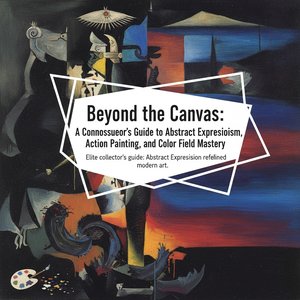
Unveil the visceral power of Abstract Expressionism. Our expert exploration delves into the transformative legacies of Pollock, Rothko, and De Kooning, offering discerning collectors a profound understanding of the New York School’s enduring mastery and historical impact.


 实景预览
实景预览
 发送
发送 分享
分享
 详情
详情 指南
指南

 下载图片
下载图片
 相似作品
相似作品 X射线
X射线 幻灯片播放
幻灯片播放 统计数据
统计数据

 阅读全文
阅读全文









 玻璃选项仅适用于110厘米以下的尺寸。


