效果预览效果预览 AR 预览AR 预览 切换至版画销售渠道 切换至版画销售渠道购买手绘画作 购买手绘画作 分享分享
详情详情 加入收藏 加入收藏 下载下载 相似作品相似作品 X射线X射线 幻灯片播放幻灯片播放 统计数据统计数据

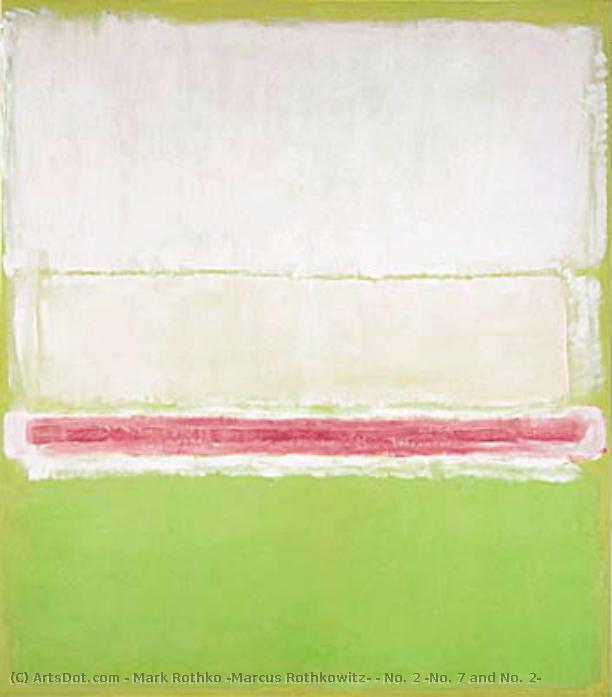
No. 2 (No. 7 and No. 2)

达乌加夫匹尔斯 拉脱维亚 马克·罗斯科 马库斯·雅各夫列维奇·罗斯科维茨 (1940 年前) 探索马克·罗斯科 (1903-1970) 的标志性色彩田绘画和抽象表现主义。 发现这位具有里程碑意义的现代艺术家作品中的深刻情感和持久影响,包括《无题》系列、西格拉姆壁画和罗斯科礼拜堂。 色彩田绘画 极简主义 1903年9月25日 1970年2月25日 马克·罗斯科 美国人 《无题》(1950) 纽约市,美国 1 马克·罗斯科在哪里出生?

购买高分辨率增强版数字图像,其品质远超在线预览。

每一份文件都由我们的内部专家使用先进工具与专业的后期润色技术精心打造。我们确保每一张图像都具备卓越的清晰度、精准的色彩还原度以及细腻的细节表现。

最终文件将在 72 小时内通过电子邮件交付,并针对专业、编辑及印刷用途进行了优化。其品质与顶级设计工作室、出版社和画廊所信赖的标准完全一致。

数字图像

下载高分辨率文件,用于个人展示、打印及创意项目。 (切换至版画销售渠道 切换至版画销售渠道购买手绘画作 购买手绘画作)

最终价格

$ 24.90

每份数字图像订单均包含

专业数字图像交付,品质保障

选择 WahooArt.com,您获得的不仅仅是一张图像——您收到的是经过专业级增强、精雕细琢的数字艺术作品,并享有满意保证。以下是您的订单中自动包含的所有内容:

shipping_icon
邮件快速送达

您的高分辨率数字图像文件将在下单后 72 小时内通过电子邮件发送给您 —— 即可立即使用。

canvas_icon
AI 增强型数字文件

您的艺术品经过专业优化,结合先进的 AI 技术与人工修饰,确保呈现极致的细节、清晰度与色彩准确度。

insurance_icon
终身免费重发服务

不小心删除了文件或找不到了?没关系——我们将随时为您免费重发。

tax_icon
无需进口费用,始终如一

即刻拥有您的艺术作品,无需支付任何关税、税费或运费——数字下载始终免税。

color_icon
色彩精准保证

我们通过专业工具与色彩管理技术,确保您的数字图像尽可能真实地还原原作色彩。

return_icon
100天满意保证

如果您对所购数字图像不满意,我们将在100天内为您进行修改或提供100%的全额退款——无需任何理由。

guarantee_icon
100% 退款保证

不满意?在收到数字文件后的100天内,您可以申请全额退款——无需任何理由。

discount_icon
批量订单优惠

购买 3 张图片可享 10% 折扣 - 购买 5 张可享 15% 折扣 - 购买 10+ 张可享 20% 折扣。非常适合创意项目、画廊和机构使用。

作品概览

  • Notable elements or techniques: Horizontal Red Stripe
  • Movement: Color Field Painting
  • Artistic style: Minimalist
  • Artist: Mark Rothko
  • Medium: Oil on Canvas
  • Influences: Geometric Abstraction
  • Year: 1951

艺术知识测试

每道题只有一个正确答案。

题目 1:
What artistic movement is Mark Rothko’s ‘No. 2 (No. 7 and No. 2)’ primarily associated with?
题目 2:
The image description highlights the use of what technique in Rothko’s painting?
题目 3:
What color combination dominates the visual experience presented by ‘No. 2 (No. 7 and No. 2)?
题目 4:
Considering Rothko’s biographical context, what significant experience shaped his artistic vision?
题目 5:
Why is the close-up view of ‘No. 2 (No. 7 and No. 2)’ important for appreciating the artwork?

A Meditation on Color and Absence: Examining Mark Rothko’s “No. 2 (No. 7 and No. 2)”

The painting "No. 2 (No. 7 and No. 2)" by Mark Rothko stands as a cornerstone of Color Field painting, embodying the profound exploration of emotion and spirituality that characterized Abstract Expressionism in its formative years. Created in 1951 during a period of intense artistic experimentation, this deceptively simple composition—a rectangular block of muted green overlaid with horizontal bands of crimson—commands attention not through visual complexity but through its ability to evoke visceral responses within the viewer. It’s a piece that invites contemplation and resists easy categorization, reflecting Rothko's unwavering commitment to conveying inner experience rather than depicting external reality.

The Genesis of Minimalism: Contextualizing Rothko’s Vision

Rothko’s artistic journey began in Latvia amidst the turbulent backdrop of post-war Europe and Jewish diaspora. Shaped by formative experiences—the anxieties surrounding pogroms, the loss of his father—he developed a preoccupation with themes of suffering and mortality that would permeate his entire oeuvre. Influenced by Surrealism and Expressionism, he moved towards abstraction as a means of bypassing representational conventions and accessing deeper psychological truths. The American expatriate experience solidified this trajectory, exposing him to new influences and fostering collaborations with fellow artists like Josef Albers and Barnett Newman, who championed similar reductive approaches to painting. This intellectual milieu encouraged Rothko to distill his artistic vision down to its purest form—the rectangle of color—a deliberate rejection of illusionistic technique in favor of direct emotional impact.

Technique and Texture: Layers of Subtle Expression

Rothko’s method was painstakingly meticulous, prioritizing texture and layering to achieve a luminous effect that transcends mere pigment application. He employed thin washes of oil paint applied in multiple horizontal layers, allowing each stripe to bleed into the adjacent one, creating an ethereal haze that softens the boundaries between color fields. This technique—often described as “incubation”—was born from experimentation with staining methods and aimed to capture not just visual appearance but also the intangible qualities of feeling. The subtle variations in hue and tone within each stripe contribute to a sense of depth and movement, subtly hinting at an inner landscape rather than presenting a static image. Careful consideration was given to the canvas surface itself, preparing it with gesso to maximize reflectivity and ensuring that light interacted harmoniously with the paint layers.

Symbolism Beyond Representation: Exploring Emotional Resonance

While Rothko vehemently denied any intention to imbue his paintings with symbolic meaning beyond their immediate emotional impact, scholars have interpreted “No. 2 (No. 7 and No. 2)” as a visual representation of existential concerns—the confrontation with death, the yearning for transcendence. The dominant green hue is often associated with tranquility and renewal, yet its juxtaposition with the crimson bands evokes feelings of passion, vulnerability, and perhaps even pain. Critics have noted similarities between Rothko’s work and Eastern Orthodox iconography, suggesting that he sought to capture a spiritual dimension inaccessible through rational thought. Ultimately, however, the painting's power resides in its ability to bypass intellectual analysis and communicate directly with the viewer's subconscious—a testament to Rothko’s unwavering belief in art as a vehicle for profound emotional experience.

A Legacy of Quiet Intensity: Impact on Contemporary Art

“No. 2 (No. 7 and No. 2)” profoundly influenced subsequent generations of artists, establishing Color Field painting as a dominant aesthetic within Abstract Expressionism and paving the way for minimalist tendencies in art history. Its influence extends beyond painting itself, impacting sculpture and installation art alike. The piece continues to resonate with audiences today, offering an enduring invitation to engage in meditative contemplation and explore the complexities of human emotion—a timeless achievement of artistic vision and technical mastery.

艺术家简介

马克·罗斯科:色彩的诗意与灵魂的回响

马克·罗斯科,这位生于1903年的拉脱维亚裔美国画家,以其标志性的“色彩田”绘画风格深刻地影响了20世纪的艺术发展。他的作品并非描绘具象的世界,而是通过纯粹的色彩和形式,直达人类灵魂深处的情感与精神领域。罗斯科的人生轨迹本身就充满了戏剧性:从拉脱维亚的 Dvinsk 小镇到俄勒冈州的波特兰,再到繁华喧嚣的纽约,每一次迁徙都伴随着文化冲击与身份认同的挣扎。童年时期目睹的社会动荡和家庭变故,为他日后的艺术创作奠定了深刻的情感基调——一种对人类苦难的敏感以及对存在意义的永恒追问。早期的绘画探索中,罗斯科尝试过写实风格,描绘城市景观与人物肖像,但这些作品中已隐约可见他对色彩和构图的独特理解。二战后的时代背景,促使他逐渐放弃具象表现,转而寻求更深层次的情感表达。受到超现实主义和神话故事的影响,罗斯科开始尝试用象征性的形式来传达内心的情感与精神体验。

从具象到抽象:色彩的觉醒

在1940年代,罗斯科的艺术创作进入了一个关键的转型期。他逐渐摒弃了传统的绘画技巧和主题,转而探索纯粹的色彩和形式所能表达的情感力量。这一转变并非一蹴而就,而是经过了漫长的实验与探索。早期的作品中,我们仍能看到一些具象元素的痕迹,例如模糊的人物轮廓或抽象的几何形状。然而,随着时间的推移,罗斯科越来越倾向于用大面积的色彩来填满整个画布,从而创造出一种沉浸式的视觉体验。他开始对色彩的微妙变化和相互作用进行深入研究,试图通过色彩的组合来唤起观众内心深处的情感共鸣。这种对色彩的敏锐感知,以及对形式的简化处理,最终促使罗斯科形成了其独特的“色彩田”绘画风格。他的作品不再是简单的图像,而是成为了情感与精神的载体,能够引发人们对生命、死亡、爱与希望等永恒主题的思考。

色彩田:灵魂的沉浸

罗斯科的“色彩田”绘画之所以具有如此强大的感染力,在于其独特的视觉语言和深刻的精神内涵。他的作品通常由几个巨大的矩形色块组成,这些色块相互叠加、渗透,形成一种流动而富有张力的画面效果。罗斯科对色彩的选择并非随意,而是经过了精心的考量。他常常使用深沉的红色、蓝色、绿色等颜色,以表达人类情感的复杂性和多样性。在创作过程中,罗斯科会反复涂抹和晕染颜料,使色彩之间产生微妙的变化和过渡,从而营造出一种朦胧而神秘的氛围。观者站在他的画作面前时,仿佛置身于一片广阔无垠的色彩海洋之中,被深深地吸引和包围。这种沉浸式的视觉体验,能够有效地屏蔽外界的干扰,使人们更加专注于内心的情感与精神世界。罗斯科希望通过他的作品,为观众提供一个安静而祥和的空间,让他们可以自由地思考、感受和冥想。

世纪之作:西格拉姆壁画与罗斯科礼拜堂

在罗斯科的艺术生涯中,有两件作品尤为突出,它们不仅代表了他艺术风格的最高成就,也深刻地影响了后世的艺术发展。第一件是“西格拉姆壁画”,这组壁画原本是为了装饰纽约四季酒店而创作的。然而,罗斯科最终拒绝了这一委托,因为他认为将自己的作品置于商业场所是不合适的。他将这些壁画捐赠给了大英博物馆等机构,让更多的人能够欣赏到它们的美丽与力量。第二件是“罗斯科礼拜堂”,位于得克萨斯州的休斯顿。这座非传统的礼拜堂内部装饰着十四幅罗斯科的绘画作品,营造出一种庄严肃穆而又充满灵性的氛围。罗斯科礼拜堂被誉为现代艺术的圣殿,吸引了来自世界各地的朝圣者和艺术爱好者。这两件作品充分体现了罗斯科对艺术的深刻理解和对人类精神的关怀。

永恒的回响:罗斯科的遗产

马克·罗斯科于1970年自杀身亡,结束了他短暂而辉煌的一生。然而,他的艺术却穿越时空,继续影响着一代又一代的艺术家和观众。罗斯科的作品不仅在美术馆和博物馆中被广泛收藏,也在世界各地的家庭和办公室里被人们所珍视。他开创了“色彩田”绘画这一独特的艺术风格,为抽象表现主义的发展做出了重要贡献。他的作品对极简主义、观念艺术等后现代艺术流派产生了深远的影响。罗斯科的艺术遗产不仅在于其作品的美学价值,更在于其深刻的精神内涵。他提醒我们关注人类情感的复杂性和多样性,鼓励我们探索内心世界的奥秘,并追求更高层次的精神境界。他的作品是色彩的诗意,也是灵魂的回响,将永远在艺术史上留下浓墨重彩的一笔。
  • 罗斯科的作品常常引发人们对生命、死亡、爱与希望等永恒主题的思考。
  • 他开创了“色彩田”绘画这一独特的艺术风格,为抽象表现主义的发展做出了重要贡献。
  • 罗斯科礼拜堂被誉为现代艺术的圣殿,吸引了来自世界各地的朝圣者和艺术爱好者。
罗斯科的艺术遗产不仅在于其作品的美学价值,更在于其深刻的精神内涵。
马克·罗斯科

马克·罗斯科

1903 - 1970 , 拉脱维亚

基本信息

  • Artistic Movement Or Style: 抽象表现主义,色彩田野绘画
  • Artists Or Movements Influenced By This Artist:
    • 极简主义 (Minimalism)
    • 抽象表现主义 (Abstract Expressionism)
  • Artists Who Influenced This Artist:
    • 保罗·塞尚 (Paul Cézanne)
    • 米尔顿·埃弗里 (Milton Avery)
  • Date Of Birth: 1903年9月25日
  • Date Of Death: 1970年2月25日
  • Full Name: 马克·罗斯科 (Mark Rothko)
  • Nationality: 美国
  • Notable Artworks:
    • No. 10 (1950)
    • 西格拉姆壁画 (Seagram Murals)
    • 罗斯科礼拜堂 (Rothko Chapel)
  • Place Of Birth: 拉脱维亚达乌格帕维尔斯 (Daugavpils, Latvia)