
 Oil On CanvasWallArtColor Field Painting
 1958Modern
 170.0 x 158.0 cm
由我们的艺术家按需定制,为您提供您所选尺寸及画框的布面手工油画。 ( 切换至版画销售渠道 切换至数字图像销售渠道)





























您可以从与原作比例一致的预设尺寸中进行选择。

请输入您需要的宽度和高度,以适配您的画框或墙面。由于作品为手工绘制,若您选择不同的尺寸比例,艺术家可能会在画面边缘多画一些或稍作裁剪 —— 由您决定。在开始绘画之前,我们会为您发送一份数字效果图供您确认。本页面上展示的图片并非最终实物 —— 只有效果图才能反映真实结果。
No. 17
复刻品尺寸说明
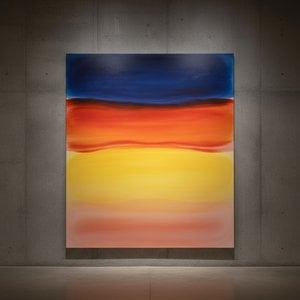
To stand before Mark Rothko’s No. 17 is to enter a sanctuary of quiet intensity. Painted in 1958, this monumental work serves as a cornerstone of the Color Field movement, offering much more than a mere arrangement of pigment on canvas. It is a deliberate orchestration of tonal variations designed to pull the viewer into a state of deep contemplation. The composition, a square expanse measuring 170 x 158 cm, immediately captivates with its dominant palette of earth tones—ranging from warm, reddish-browns to deep, onyx shades, all punctuated by unexpected, ethereal flashes of magenta. There are no figures here, no landscapes to recognize, and no lines to guide the eye; instead, there is only the profound weight of color itself.
The power of this piece lies in its ability to evoke an intangible sense of melancholy and spiritual resonance. Rothko’s approach eschews traditional representational techniques, opting instead for large, amorphous blocks of color that appear to bleed into one another at their edges. This lack of discernible contour creates a feeling of stillness, inviting the observer to immerse themselves in the visual experience without the distraction of external reality. For the collector or interior designer, this painting offers a unique atmospheric quality; it does not merely occupy a room but transforms its very energy, providing a focal point that encourages inner reflection and emotional depth.
The technical brilliance of No. 17 is found in the subtle, almost imperceptible layers of oil paint that compose its surface. Rothko was a master of manipulating pigment density to create an illusion of recession and depth within a seemingly flat plane. Through meticulous layering, he achieved a luminous quality where light seems to emanate from within the canvas rather than simply reflecting off it. The brushstrokes are softened by this process, contributing to a smooth yet textured appearance that hints at the artist's painstaking labor.
This technique is essential to the painting's emotional impact. As the eye moves across the vertical stack of rectangular blocks, the transitions between the lighter reddish-browns and the darker, more somber tones create a rhythmic pulse. This movement mimics the ebb and flow of human emotion—the way sadness can feel heavy and opaque, or how hope can appear as a sudden, vibrant flicker of magenta against a dark background. It is this interplay of light and shadow, achieved through sheer technical discipline, that allows the work to transcend its abstract form and touch upon universal human experiences.
Historically, No. 17 emerged during a pivotal era for American art, a time when the New York School was redefining the boundaries of creativity. As part of the Abstract Expressionist movement, Rothko sought to communicate profound psychological states directly through color and form. His personal history—marked by the displacement of his Latvian roots and the complexities of the immigrant experience—infused his work with a deep sensitivity to themes of mortality, trauma, and the search for meaning. This painting is a testament to that lifelong quest.
For those seeking to bring a piece of art history into a contemporary space, a high-quality reproduction of No. 17 offers an unparalleled opportunity. It serves as a sophisticated element of decor, blending seamlessly with modern minimalist aesthetics while providing a rich, historical narrative. Whether placed in a quiet study, a grand gallery, or a thoughtfully curated living area, this work remains a timeless portal to the inner landscape, reminding us that even in the absence of form, color can speak volumes about the human condition.
"No. 17" 的作者是 马克·罗斯科,创作于 1958 年。
马克·罗斯科 的《No. 17》 的复制品非常适合用于 Mood。这一建议源于作品的主题、意境与色彩。
《No. 17》由出生于 拉脱维亚 的 马克·罗斯科 在 Color Field Painting 运动背景下创作而成。艺术家的原籍地使这部作品与 拉脱维亚 艺术家所实践的 Color Field Painting 风格紧密相连。

1903 - 1970 , 拉脱维亚
Explore the profound emotional depth of Mark Rothko's abstract expressionism. Discover the history, techniques & lasting impact of this pivotal Color Field painter. Expert insights for collectors and art enthusiasts.

探索抽象表现主义的十幅经典杰作!波洛克、罗斯科等大师作品,揭秘艺术史上的重要瞬间。WahooArt.com为您呈现高品质艺术品复制和精选家居装饰方案,感受现代艺术的力量与魅力。立即浏览全系列!

探索马克·罗斯科25幅杰作,感受抽象表现主义的色彩力量与深刻情感。从经典色域绘画到无题系列,了解艺术史上的大师及其作品背后的故事。WahooArt.com提供博物馆级高质量复制品,为您的家居装饰带来艺术灵感!立即探索完整收藏。

Explore the profound emotional depth of Color Field painting. Our expert guide delves into the post-war origins of Abstract Expressionism, analyzing masterpieces by Rothko and Newman. Discover museum-grade, hand-painted oil reproductions that bring art history to your walls.

Explore the profound emotional depth of Color Field painting. Discover the history of mid-century abstraction, from Rothko to Newman, and learn how pure color transforms the viewer's experience through our expert art history guide.


 实景预览
实景预览
 发送
发送 分享
分享
 详情
详情 指南
指南

 下载图片
下载图片
 相似作品
相似作品 X射线
X射线 幻灯片播放
幻灯片播放 统计数据
统计数据 阅读全文
阅读全文









 玻璃选项仅适用于110厘米以下的尺寸。


