
博物馆级艺术微喷或帆布版画,制作高效,并提供多种饰面选择。 ( 购买手绘画作 切换至数字图像销售渠道)





























从与原作比例一致的预设尺寸中进行选择。

您可以输入自定义尺寸,以适配特定的画框或空间。如果您选择的尺寸与原图比例不符,我们将对作品进行裁剪,或通过镜像填充/纯色填充边缘的方式来扩展图像。在开始制作之前,我们会向您发送一份数字效果图供您确认。
请注意,屏幕上的预览并不能反映实际的裁剪或扩展效果。只有效果图才能准确展示最终的构图。
虽然我们提供定制尺寸,但为了保持原图比例,我们建议您从预设列表中选择尺寸。

Mother and Child
复制品尺寸
In the vast, often turbulent landscape of modern art, few works possess the quiet, grounding intimacy found in Mark Rothko’s Mother and Child. Painted around 1934, this piece serves as a poignant window into the artist's formative years, capturing a moment of profound human connection before his transition into the monumental abstractions that would define his legacy. The painting presents a tender portrait of two figures—a mother standing in protective proximity to her seated child—engaged in a silent, shared existence. While the composition retains elements of representational form, there is an unmistakable atmospheric quality that transcends mere depiction, inviting the viewer into a space of deep, meditative stillness.
The visual narrative is enriched by a delicate arrangement of surroundings, where subtle details like the presence of vases and a soft, verdant plant in the corner ground the emotional weight of the figures within a domestic, yet ethereal, setting. This interplay between the tangible world and the intangible emotion creates a sense of timelessness, making the work an exquisite choice for those looking to introduce a sense of peace and contemplative depth into a curated interior space.
Technically, Mother and Child showcases the early brilliance of Rothko’s approach to medium and light. Long before his signature large-scale color fields, Rothko was experimenting with the meticulous layering of thin, translucent washes of pigment. This technique allows light to penetrate the surface of the canvas, creating a soft, inner luminescence that seems to emanate from within the figures themselves. The surfaces possess a velvety texture, absorbing the gaze and pulling the observer into a rhythmic dance of subtle tonal variations.
The artist’s control over color is nothing short of masterful; even in this more figurative period, he utilizes hues not just to define shape, but to evoke temperament. The way the light falls across the figures suggests a sanctity in the everyday, transforming a simple maternal interaction into a universal symbol of vulnerability and care. For the collector or interior designer, this technique offers a sophisticated visual texture that complements both minimalist modernism and more classical, opulent decor, providing a focal point that is both intellectually stimulating and visually soothing.
To understand Mother and Child is to understand the roots of Rothko’s lifelong preoccupation with existential themes. Emerging from a period shaped by his engagement with Jewish mysticism and the heavy shadows of early 20 much-discussed historical upheavals, the painting vibrates with an underlying sense of compassion and the sacredness of human bonds. It is a work that speaks to the fundamental need for connection in an often fragmented world.
For those seeking to adorn a home or gallery with a piece of art history, this reproduction offers more than just aesthetic beauty; it offers an emotional anchor. Whether placed in a quiet study, a serene bedroom, or a grand living area, the painting acts as a silent interlocutor, prompting reflection on the enduring strength of love and the delicate nature of life. It is a profound testament to the idea that even within the most personal moments, there exists a universal, spiritual truth that connects us all.

1903 - 1970 , 拉脱维亚

探索抽象表现主义的十幅经典杰作!波洛克、罗斯科等大师作品,揭秘艺术史上的重要瞬间。WahooArt.com为您呈现高品质艺术品复制和精选家居装饰方案,感受现代艺术的力量与魅力。立即浏览全系列!
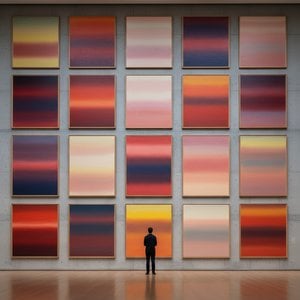
探索马克·罗斯科25幅杰作,感受抽象表现主义的色彩力量与深刻情感。从经典色域绘画到无题系列,了解艺术史上的大师及其作品背后的故事。WahooArt.com提供博物馆级高质量复制品,为您的家居装饰带来艺术灵感!立即探索完整收藏。

Journey through Wassily Kandinsky's 25 most iconic abstract paintings. Explore his revolutionary use of color, form & spiritual expressionism. Find museum-quality Kandinsky reproductions and elevate your home decor with WahooArt.com. Discover all masterpieces on WahooArt.com!
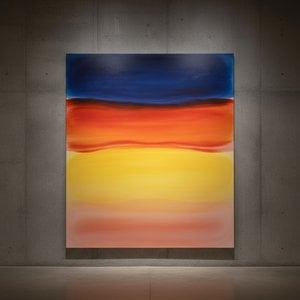
Explore the profound emotional depth of Mark Rothko's abstract expressionism. Discover the history, techniques & lasting impact of this pivotal Color Field painter. Expert insights for collectors and art enthusiasts.

Explore the profound emotional depth of Color Field painting. Discover the history of mid-century abstraction, from Rothko to Newman, and learn how pure color transforms the viewer's experience through our expert art history guide.


 效果预览
效果预览
 分享
分享 分享
分享
 详情
详情

 下载
下载
 相似作品
相似作品 X射线
X射线 幻灯片播放
幻灯片播放 统计数据
统计数据

 展开详情
展开详情









 玻璃选项仅适用于110厘米以下的尺寸。


