
博物馆级艺术微喷或帆布版画,制作高效,并提供多种饰面选择。 ( 订购此收藏品的纯手工复刻画作 切换至数字图像销售渠道)





























您可以从与原作比例一致的预设尺寸中进行选择。

请输入您所需的宽度和高度,以适配您的画框或墙面。由于印刷品只能进行裁剪,无法超出原图尺寸,因此若比例不一致,画面的一部分将会被裁切。在正式印刷之前,我们会为您发送一份数字效果图供您确认。本页面显示的图片并非最终裁剪后的效果——只有效果图才能展示真实的裁剪情况。
Entombment II
复刻品尺寸说明
Mark Rothko's Entombment II isn’t a painting that immediately shouts for attention. It doesn’t demand to be deciphered with a quick glance. Instead, it invites a prolonged engagement, a quiet contemplation born from the sheer density of texture and the profound emotional weight held within its muted palette. Created between 1964 and 1970, during a period when Rothko was deeply invested in creating spaces for reflection and spiritual experience – most notably at the Rothko Chapel in Houston – this work embodies his signature style: vast fields of color stacked upon one another, layered with an almost sculptural quality. The dominant hues are shades of grey and brown, punctuated by a subtle, ethereal blue that seems to emerge from the depths of the composition. It’s a world stripped bare of representational imagery, reduced to its most elemental components – color, texture, and form—a deliberate move away from the more overtly expressive gestures of his earlier Abstract Expressionist peers.
The painting's surface is a chaotic yet meticulously controlled landscape. Thick impasto strokes build up layers upon layers, creating an intensely tactile experience. Scratches and scrapes deliberately disrupt the smooth expanse of paint, adding to the sense of unease and fragmentation. These aren’t random marks; they are integral to Rothko’s process, acting as a way to both control and release energy within the canvas. The composition itself is deliberately flattened, eschewing traditional perspective in favor of a spatial ambiguity that draws the viewer inward. Lines, though not sharply defined, intersect and overlap, creating a dynamic tension that suggests movement and instability. It's a deliberate rejection of clarity, mirroring perhaps the artist’s own internal struggles with mortality and existential questions.
To truly appreciate Entombment II, it’s crucial to understand the context of Mark Rothko's life. Born Markus Yakovlevich Rothkowitz in Dvinsk (now Daugavpils), Latvia, in 1903, his early years were marked by a profound sense of displacement and anxiety. His family, Jewish immigrants fleeing persecution in the Russian Empire, faced constant challenges – poverty, discrimination, and the ever-present threat of violence. This formative experience instilled within him a deep sensitivity to human suffering, a theme that would become a recurring motif throughout his oeuvre. The loss of his father early in life, coupled with the difficulties of assimilation in America, fueled a lifelong exploration of themes like mortality, trauma, and the search for meaning – questions that resonate powerfully within this painting. Rothko’s artistic journey was thus deeply intertwined with his personal history, shaped by a profound awareness of the fragility of human existence.
While Rothko famously resisted definitive interpretations of his work, it's clear that color played a central role in conveying emotion and spiritual experience. The dominant grey and brown tones evoke feelings of melancholy, loss, and perhaps even grief – echoes of his own childhood experiences. However, the subtle blue element introduces an element of hope or transcendence, suggesting a potential for solace amidst the darkness. The rectangular forms themselves are not meant to be easily defined; they’re more akin to emotional zones, areas of feeling rather than concrete objects. Some art historians suggest that these shapes represent tombs, referencing the painting's title and hinting at themes of death and resurrection. The layering of colors creates a sense of depth and complexity, inviting the viewer to lose themselves within the painting’s immersive atmosphere.
Mark Rothko's work continues to captivate audiences with its raw emotional power and deceptively simple forms. Entombment II stands as a testament to his unique approach to abstraction, prioritizing feeling over representation. Its enduring appeal lies in its ability to evoke a profound sense of introspection, prompting viewers to confront their own anxieties and contemplate the mysteries of existence. Reproductions of this piece offer a remarkable opportunity to experience Rothko’s vision firsthand, bringing the intensity of his studio into your space. Consider commissioning a hand-painted reproduction from WahooArt.com to bring this powerful work into your home or office – a tangible reminder of the enduring legacy of one of modern art's most enigmatic and influential figures.
与 马克·罗斯科 的《Entombment II》 相似的作品已汇集在作品的 相似作品 页面中。
"Entombment II" 属于 马克·罗斯科 的 Abstract Expressionism 时期作品,其记录的主题包括 abstract expressionist roots, post-war anxieties & unease, industrial fragmentation", human condition's breakdown, color field exploration", rothko's layered depth", exploring emotional space"。
"Entombment II" 的版权状态 —— 仍受版权保护 —— 取决于艺术家于 1970 年逝世这一事实。

1903 - 1970 , 拉脱维亚
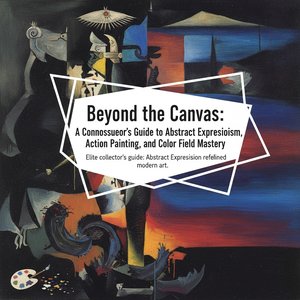
Unveil the visceral power of Abstract Expressionism. Our expert exploration delves into the transformative legacies of Pollock, Rothko, and De Kooning, offering discerning collectors a profound understanding of the New York School’s enduring mastery and historical impact.


 实景预览
实景预览
 发送
发送 分享
分享
 详情
详情 指南
指南

 下载图片
下载图片
 相似作品
相似作品 X射线
X射线 幻灯片播放
幻灯片播放 统计数据
统计数据

 阅读全文
阅读全文









 玻璃选项仅适用于110厘米以下的尺寸。


