
由我们的艺术家按需定制,为您提供您所选尺寸及画框的布面手工油画。 ( 切换至版画销售渠道 切换至数字图像销售渠道)





























您可以从与原作比例一致的预设尺寸中进行选择。

请输入您需要的宽度和高度,以适配您的画框或墙面。由于作品为手工绘制,若您选择不同的尺寸比例,艺术家可能会在画面边缘多画一些或稍作裁剪 —— 由您决定。在开始绘画之前,我们会为您发送一份数字效果图供您确认。本页面上展示的图片并非最终实物 —— 只有效果图才能反映真实结果。
Conversation
复刻品尺寸说明
In the quietude of Mark Rothko’s “Conversation,” we find ourselves drawn into a tableau that feels both profoundly intimate and hauntingly distant. At first glance, the painting presents a seemingly simple scene: a man and a woman seated at a table, their focus anchored by the silent movement of a game board, perhaps chess. There is a palpable sense of shared concentration, a moment where the outside world recedes, leaving only the rhythmic pulse of their interaction. Yet, Rothko subtly complicates this domestic stillness with the presence of a third figure lurking in the background—a spectral observer whose role remains ambiguous, suggesting the unseen layers of communication and the complexities that exist within every human relationship.
The atmosphere is heavy with a sense of contemplation. As one gazes upon the figures, the painting transcends its literal subject matter to become an exploration of the unspoken. The clock hanging on the wall serves as a poignant reminder of the passage of time, anchoring this fleeting interaction within the broader, inexorable flow of existence. For the collector or the designer, this piece offers more than mere decoration; it provides a window into a psychological landscape where every shadow and every stillness tells a story of connection and solitude.
While many associate Rothko with his later, monumental color field works, “Conversation” showcases a masterful command of a more restrained, monochromatic palette. The composition is rendered in evocative shades of black, white, and gray, creating a silvered, cinematic quality that strips away the distractions of vibrant color to reveal the raw emotional bones of the scene. This reductive approach is a hallmark of his ability to prioritize emotional resonance over representational accuracy.
The technique employed here is nothing short of meticulous. Rothko utilized a layering process of thin, translucent washes of pigment, building depth through successive applications. This method allows light to appear as if it is emanating from within the canvas itself, creating a shimmering, ethereal luminosity. The edges where tones meet are not sharp but bleed into one another with a soft, atmospheric blur, mirroring the way memories or emotions often lack clear boundaries. For those seeking to integrate fine art into a sophisticated interior, this interplay of light and shadow offers a versatile elegance that complements both modern minimalist spaces and more traditional, moody environments.
Created during the mid-1960s, “Conversation” emerged from a period of profound global tension. As the world grappled with the anxieties of the Cold War era, Rothko’s work provided a sanctuary for introspection. He rejected the loud, commercial energy of Pop Art and the dreamlike distortions of Surrealism, choosing instead to confront the fundamental truths of the human condition: tragedy, ecstasy, and doom. The chessboard in this piece acts as a powerful visual metaphor—a stage for strategic decision-making and the quiet battles of the mind that we all face.
To possess a reproduction of such a work is to invite a sense of profound peace and intellectual depth into a room. It is an invitation to pause, to reflect, and to engage in one's own silent dialogue with the art. Whether viewed as a study in mid-century modernism or as a deeply spiritual encounter, “Conversation” remains a timeless testament to the power of simplicity to convey the infinite complexities of the human soul.
马克·罗斯科 的《Conversation》 的色彩饱和度记录为 Balanced Soft。
马克·罗斯科 的《Conversation》 的色彩特征:Earthy 色调,以 Quinacridone Magenta (#826240) 为主导。
马克·罗斯科 的《Conversation》 的艺术氛围被描述为 Elegant。这种分类有助于将作品与特定的空间环境相匹配。


1903 - 1970 , 拉脱维亚
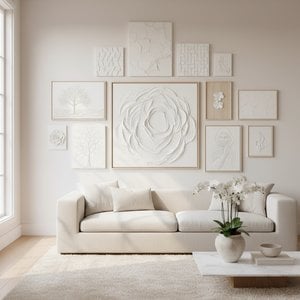
Explore 10 iconic white paintings by Monet, Whistler & Rothko! Discover the stories behind these serene masterpieces and their impact on art history. Find museum-quality reproductions for your home decor at .

Journey through Wassily Kandinsky's 25 most iconic abstract paintings. Explore his revolutionary use of color, form & spiritual expressionism. Find museum-quality Kandinsky reproductions and elevate your home decor with WahooArt.com. Discover all masterpieces on WahooArt.com!

探索马克·罗斯科25幅杰作,感受抽象表现主义的色彩力量与深刻情感。从经典色域绘画到无题系列,了解艺术史上的大师及其作品背后的故事。WahooArt.com提供博物馆级高质量复制品,为您的家居装饰带来艺术灵感!立即探索完整收藏。
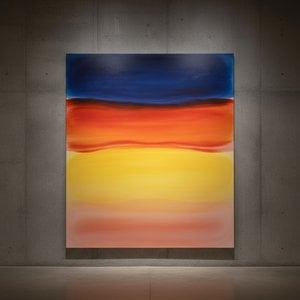
Explore the profound emotional depth of Mark Rothko's abstract expressionism. Discover the history, techniques & lasting impact of this pivotal Color Field painter. Expert insights for collectors and art enthusiasts.

探索抽象表现主义的十幅经典杰作!波洛克、罗斯科等大师作品,揭秘艺术史上的重要瞬间。WahooArt.com为您呈现高品质艺术品复制和精选家居装饰方案,感受现代艺术的力量与魅力。立即浏览全系列!


 实景预览
实景预览
 发送
发送 分享
分享
 详情
详情 指南
指南

 下载图片
下载图片
 相似作品
相似作品 X射线
X射线 幻灯片播放
幻灯片播放 统计数据
统计数据

 阅读全文
阅读全文









 玻璃选项仅适用于110厘米以下的尺寸。


