
博物馆级艺术微喷或帆布版画,制作高效,并提供多种饰面选择。 ( 订购此收藏品的纯手工复刻画作 切换至数字图像销售渠道)





























您可以从与原作比例一致的预设尺寸中进行选择。

请输入您所需的宽度和高度,以适配您的画框或墙面。由于印刷品只能进行裁剪,无法超出原图尺寸,因此若比例不一致,画面的一部分将会被裁切。在正式印刷之前,我们会为您发送一份数字效果图供您确认。本页面显示的图片并非最终裁剪后的效果——只有效果图才能展示真实的裁剪情况。
Antigone
复刻品尺寸说明
Mark Rothko's “Antigone,” a monumental work from 1960, isn’t merely a painting; it’s an immersive experience. Born in Latvia and shaped by the anxieties of his early life – a childhood steeped in displacement and loss – Rothko sought to distill profound human emotions into their purest form: color. This piece, rendered in oil on canvas, immediately draws the viewer into a space of quiet contemplation, dominated by vast, rectangular blocks of pale gray and ivory white. These aren’t simply colors; they are vessels for feeling, radiating an almost palpable sense of sorrow and unresolved conflict. The composition is deceptively simple – a series of nude figures, both seated and standing, arranged in a horizontal frieze – yet within this restraint lies a complex narrative, echoing the tragic myth it derives its name from.
Rothko deliberately avoided explicit representation, opting instead for an abstract approach that allowed viewers to project their own interpretations onto the canvas. “Antigone” is deeply rooted in Sophocles’ tragedy, a story of familial loyalty versus state authority. The painting captures the essence of Antigone's struggle – her refusal to obey Creon’s unjust decree and her willingness to sacrifice herself for what she believes is right. However, Rothko transcends mere illustration; he elevates the myth to a universal meditation on morality, duty, and the human condition. The stark simplicity of the forms contrasts sharply with the profound emotional weight conveyed through color, creating a dialogue between ancient narrative and modern expressionism.
Rothko’s work is often associated with Color Field painting, a movement that emphasized large areas of flat, unmodulated color to evoke an emotional response in the viewer. This approach was influenced by his time at the Rothko Chapel in Houston, Texas, where he created fourteen monumental paintings designed to create a contemplative space.As documented by art critic Arthur Danto, who wrote extensively about Rothko’s work, “Antigone” reveals the artist's deliberate process. Rothko didn’t begin with a preconceived image; instead, he layered thin washes of paint, allowing them to bleed and interact, creating subtle shifts in color and texture. The surface is not smooth or polished but retains traces of this physical act of creation – scrubbed areas, transparent layers, and areas of dense opacity—a testament to the artist’s engagement with the medium. This visible process underscores the painting's emotional intensity; it feels as though we are witnessing a raw, unfiltered expression of grief and defiance.
The Rothko Chapel’s influence is particularly evident in “Antigone,” where the use of color and scale aims to create a similarly immersive experience for the viewer. The chapel's fourteen paintings, including "Antigone," are designed to evoke contemplation and emotional resonance, reflecting Rothko’s belief that art should be capable of communicating profound human experiences without resorting to representational imagery.A hand-painted reproduction of “Antigone” offers a unique opportunity to bring this powerful work into your home or office. WahooArt meticulously recreates Rothko's nuanced color palette and textural layering, capturing the essence of his artistic vision with exceptional detail. More than just a decorative piece, this reproduction serves as a constant reminder of the complexities of human morality, the weight of duty, and the enduring power of art to evoke profound emotion. Consider it not merely a painting, but an invitation to contemplate the timeless themes explored within its luminous depths.

1903 - 1970 , 拉脱维亚

Explore the profound emotional depth of Color Field painting. Our expert guide delves into the post-war origins of Abstract Expressionism, analyzing masterpieces by Rothko and Newman. Discover museum-grade, hand-painted oil reproductions that bring art history to your walls.

探索抽象表现主义的十幅经典杰作!波洛克、罗斯科等大师作品,揭秘艺术史上的重要瞬间。WahooArt.com为您呈现高品质艺术品复制和精选家居装饰方案,感受现代艺术的力量与魅力。立即浏览全系列!

Explore the profound emotional depth of Color Field painting. Discover the history of mid-century abstraction, from Rothko to Newman, and learn how pure color transforms the viewer's experience through our expert art history guide.
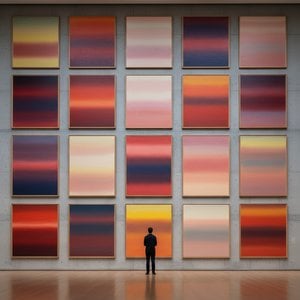
探索马克·罗斯科25幅杰作,感受抽象表现主义的色彩力量与深刻情感。从经典色域绘画到无题系列,了解艺术史上的大师及其作品背后的故事。WahooArt.com提供博物馆级高质量复制品,为您的家居装饰带来艺术灵感!立即探索完整收藏。
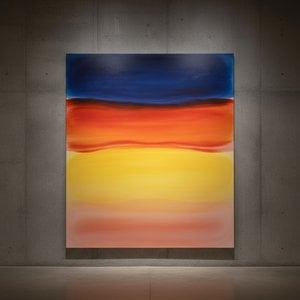
Explore the profound emotional depth of Mark Rothko's abstract expressionism. Discover the history, techniques & lasting impact of this pivotal Color Field painter. Expert insights for collectors and art enthusiasts.


 实景预览
实景预览
 发送
发送 分享
分享
 详情
详情 指南
指南

 下载图片
下载图片
 相似作品
相似作品 X射线
X射线 幻灯片播放
幻灯片播放 统计数据
统计数据
 阅读全文
阅读全文









 玻璃选项仅适用于110厘米以下的尺寸。


