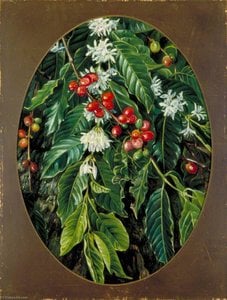
Oil On CanvasWallArtVictorian Botanical Painting
 187819th Century
 27.0 x 27.0 cm
 Marianne North Gallery
由我们的艺术家按需定制,为您提供您所选尺寸及画框的布面手工油画。 ( 切换至版画销售渠道 切换至数字图像销售渠道)





























从与原作比例一致的预设尺寸中进行选择。

您可以输入自定义尺寸,以适配特定的画框或空间。如果所选尺寸与原图比例不符,我们将通过裁剪作品或添加手绘元素来扩展画面。数字样稿将在制作开始前发送给您确认。
请注意,屏幕预览无法准确反映实际的裁剪或扩展效果,只有样稿才能真实呈现最终的构图。
虽然我们提供定制尺寸服务,但为了保留原作比例,建议您从预设列表中选择尺寸。

A Sacred Grass
复制品尺寸
In the delicate interplay of light and verdant shadow, Marianne North’s 1878 masterpiece, “A Sacred Grass,” offers far more than a mere botanical study; it serves as a window into a world where scientific curiosity meets profound spiritual reverence. The painting presents a meticulously rendered cluster of Kusha grass, its tall stalks and vibrant green leaves swaying with an almost palpable vitality. Captured through the medium of oil on canvas, North utilizes the rich, nuanced tonal variations inherent to this technique to breathe life into each blade. The composition is uniquely cradled within a circular frame, a subtle artistic choice that focuses the viewer’s gaze inward, creating an intimate, immersive experience that feels like peering into a hidden, sanctified corner of the natural world.
The artist's hand reveals a sophisticated command of Luminism, a style characterized by soft, diffused light and a gentle atmospheric perspective. Rather than relying on harsh outlines, North employs fluid brushstrokes to suggest the undulating movement of the grass, allowing light to dance across the textured surface. This impressionistic touch prioritizes mood and atmosphere over clinical precision, inviting the observer to feel the humidity of the air and the quiet stillness of the landscape. For the discerning collector or interior designer, this technique provides a sense of depth and organic movement that can transform a space, offering a focal point that is both intellectually stimulating and visually soothing.
To understand “A Sacred Grass,” one must look beyond the pigment to the historical currents that shaped its creation. Painted during the height of the Victorian era—a period defined by intrepid global expeditions and a burgeoning passion for exotic flora—the work reflects the era's dual commitment to scientific observation and spiritual interconnectedness. Marianne North herself was a trailblazer, a woman who defied the rigid domestic expectations of her time to traverse continents in pursuit of botanical discovery. Her ability to weave cultural significance into her biological observations elevates this piece from a specimen study to a narrative of global exploration.
The symbolism embedded within the subject matter adds a layer of profound meaning for those who appreciate art with depth. The Kusha grass depicted is not merely a plant; in Hindu tradition, it is a sacred element used extensively in rituals to symbolize purity, fertility, and protection. By capturing this specific species, North honors the cultural traditions she encountered during her travels, infusing her work with an aura of auspiciousness and sanctity. This marriage of botanical accuracy and spiritual weight creates an emotional impact of profound tranquility, making the painting an ideal acquisition for those seeking to bring a sense of peace, resilience, and natural wonder into their curated environments.


1830 - 1890 , 英国
Discover the exquisite world of Victorian botanical art. Explore the intersection of scientific precision and luxury aesthetics through masterfully curated floral illustrations and hand-painted oil reproductions for discerning collectors and fine interiors.

Explore the exquisite intersection of science and art in botanical illustration. Discover the history, technical mastery, and timeless beauty of scientific floral studies from Renaissance masters to modern collectors.

Discover the breathtaking botanical world of Marianne North. Explore her vibrant Victorian oil paintings of exotic landscapes, from Brazil to Jamaica, through an expert art-historical lens. Perfect for classic art enthusiasts and collectors of fine natural history art.


 效果预览
效果预览
 分享
分享 分享
分享
 详情
详情 指南
指南

 下载
下载
 相似作品
相似作品 X射线
X射线 幻灯片播放
幻灯片播放 统计数据
统计数据 展开详情
展开详情









 玻璃选项仅适用于110厘米以下的尺寸。