
 EngravingWallArtRenaissance Printmaking
 1511
1511 217.0 x 133.0 cm
 国家博物馆 (Rijksmuseum)
博物馆级艺术微喷或帆布版画,制作高效,并提供多种饰面选择。 ( 购买手绘画作 切换至数字图像销售渠道)





























从与原作比例一致的预设尺寸中进行选择。

您可以输入自定义尺寸,以适配特定的画框或空间。如果您选择的尺寸与原图比例不符,我们将对作品进行裁剪,或通过镜像填充/纯色填充边缘的方式来扩展图像。在开始制作之前,我们会向您发送一份数字效果图供您确认。
请注意,屏幕上的预览并不能反映实际的裁剪或扩展效果。只有效果图才能准确展示最终的构图。
虽然我们提供定制尺寸,但为了保持原图比例,我们建议您从预设列表中选择尺寸。

Lucretia
复制品尺寸
Marcantonio Raimondi's engraving of Lucretia stands as a haunting meditation on virtue, betrayal, and the seismic shift that toppled Roman monarchy. Completed around 1511-12, this work isn’t merely a depiction of a tragic myth; it’s a carefully constructed tableau brimming with symbolic weight and technical mastery, reflecting the artistic currents of Renaissance Italy. Raimondi, a pivotal figure in the development of printmaking, expertly translated Raphael's original drawing – itself a powerful interpretation of Livy’s account – into a meticulously detailed monochrome image that speaks volumes through its restraint.
The scene unfolds within an intimate interior space, dominated by a window framing a distant landscape. Lucretia, rendered with exquisite precision in draped garments and delicate features, occupies the center of the composition. Her posture is one of profound sorrow and quiet dignity; she gazes downward, her hand resting gently on her breast – a gesture that immediately evokes the act of suicide. The architectural details—columns, arches, and a subtle sense of depth—create an atmosphere of restrained elegance, contrasting sharply with the devastating event about to unfold. Notice the careful rendering of light and shadow, contributing significantly to the engraving’s somber mood.
Raimondi's work is deeply rooted in the artistic traditions of Florence and Venice, where he spent much of his career. He was a key interpreter of Raphael’s compositions, demonstrating an exceptional ability to capture the nuances of the master’s style. The engraving showcases Raimondi’s technical prowess—his mastery of line, shading, and perspective is evident throughout. The use of drypoint technique, with its characteristic burr or “tooth,” adds a subtle textural quality to the image, enhancing the sense of depth and realism. This method allowed for greater tonal variation than woodcut, offering Raimondi more control over the rendering of light and shadow.
Crucially, this engraving emerged during a period of intense political and social upheaval in Italy. The Renaissance was witnessing a revival of classical learning and values, but also simmering tensions between city-states and powerful families. The story of Lucretia resonated powerfully with contemporary audiences, serving as a potent allegory for the dangers of tyranny and the importance of civic virtue. It’s a reminder that even the most seemingly stable institutions can be brought down by acts of betrayal and injustice.
Beyond its historical context, Lucretia's story is rich in symbolism. The act of suicide—a taboo subject at the time—became a potent symbol of resistance against oppression. Lucretia’s willingness to sacrifice her life rather than submit to rape represented an unwavering commitment to honor and integrity. The window through which she gazes symbolizes both confinement and escape, reflecting her tragic fate. The landscape beyond offers a hint of hope and renewal, suggesting that even in the darkest of times, beauty and possibility can endure.
Raimondi’s choice to depict Lucretia in a moment of quiet contemplation—rather than in the midst of action—heightens the emotional impact of the scene. Her sorrow is palpable, inviting viewers to empathize with her plight and reflect on the consequences of injustice. The engraving doesn't offer easy answers or simplistic moral judgments; instead, it compels us to confront uncomfortable truths about power, vulnerability, and the enduring struggle for human dignity.
Reproduced with meticulous attention to detail, this artwork retains its original impact. The rich tonal range of the engraving—achieved through Raimondi’s skillful manipulation of line and shading—is faithfully captured in high-resolution prints. The subtle textures and nuances of the image are particularly evident when viewed on a large format display. This piece would be an exceptional addition to any collection, offering both aesthetic pleasure and intellectual stimulation. Consider framing it within a classic wooden frame to further enhance its historical resonance.


1480 - 1534 , 意大利

Explore the profound mastery of engraving and intaglio printmaking. Delve into the rich history, technical precision of the burin, and the enduring legacy of fine art techniques that shaped the world's most iconic masterpieces.

Embark on a sophisticated journey through the eternal allure of mythological art. Discover how master painters breathe life into ancient legends, from Greek deities to Baroque masterpieces, and learn to curate these timeless narratives within your own exquisite art collection.
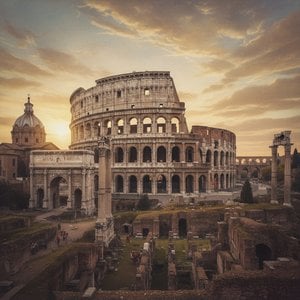
Explore the profound beauty of Roman architecture through art history. From Piranesi's evocative engravings to classical masterpieces, discover how the grandeur of ancient Rome continues to inspire collectors and art enthusiasts worldwide.


 效果预览
效果预览
 分享
分享 分享
分享
 详情
详情 指南
指南

 下载
下载
 相似作品
相似作品 X射线
X射线 幻灯片播放
幻灯片播放 统计数据
统计数据 展开详情
展开详情









 玻璃选项仅适用于110厘米以下的尺寸。


