
 Acrylic On CanvasWallArtSurrealist Painting
 1960
1960 52.0 x 38.0 cm
由我们的艺术家按需定制,为您提供您所选尺寸及画框的布面手工油画。 ( 切换至版画销售渠道 切换至数字图像销售渠道)





























您可以从与原作比例一致的预设尺寸中进行选择。

请输入您需要的宽度和高度,以适配您的画框或墙面。由于作品为手工绘制,若选择不同比例的尺寸,艺术家可能会在画面边缘多画一些或稍作裁剪 —— 由您决定。在开始绘画之前,我们会为您发送一份数字效果图供您确认。本页面上展示的图片并非最终实物 —— 只有效果图才能反映真实结果。
Paradise
复刻品尺寸
Marc Chagall’s “Paradise,” painted in 1961, isn’t merely a depiction of a fruit tree; it’s an immersion into the artist’s deeply personal and profoundly symbolic universe. This vibrant canvas, measuring just 52 x 38 cm, immediately draws the viewer into a world brimming with childlike wonder and a poignant sense of nostalgia. The scene unfolds within a hazy, dreamlike atmosphere – a testament to Chagall's signature style, which seamlessly blends elements of Russian folklore, Jewish tradition, and his own intensely felt memories. The composition is deceptively simple: a woman, her face partially obscured, rests her head against the trunk of an apple tree laden with ripe fruit. Scattered amongst the branches are not just apples, but also figures – some standing, others reclining – creating a tableau that feels both intimate and slightly surreal.
“Paradise” is firmly rooted in the style of naive art, or *art populaire*, a movement characterized by its directness, lack of academic training, and emphasis on emotional expression. Chagall’s use of bold colors – rich greens, vibrant reds, sunny yellows, and deep blues – contributes significantly to this effect. The brushstrokes are loose and expressive, avoiding meticulous detail in favor of conveying feeling. This deliberate simplicity allows the viewer to connect with the painting on a visceral level, bypassing intellectual analysis and tapping directly into the emotional core of the scene. The figures themselves appear almost abstracted, their forms simplified and imbued with an inherent humanity. It’s as if Chagall is inviting us to step inside his memories and experience them alongside him.
Beyond its surface beauty, “Paradise” is rich in symbolic meaning. The apple tree itself holds profound significance within both Jewish and Christian iconography – representing knowledge, temptation, and the fall of man. However, Chagall subverts this traditional interpretation, presenting it as a source of abundance and joy. The scattered apples are not emblems of sin but rather symbols of fertility, life, and the simple pleasures of existence. The woman resting against the tree is often interpreted as a representation of Chagall’s wife, Valentina Kulikova, or perhaps even a self-portrait reflecting his own longing for home and connection to his roots. The presence of other figures in the background suggests a community, a gathering of souls within this idyllic space – hinting at Chagall's enduring fascination with themes of family, faith, and belonging.
Painted in 1961, towards the end of his illustrious career, “Paradise” embodies the culmination of Chagall's artistic journey. It reflects a lifetime spent exploring the boundaries between reality and imagination, drawing inspiration from his Jewish heritage and the landscapes of Vitebsk – the town that shaped his entire worldview. The painting’s enduring appeal lies in its ability to transport us to a realm where dreams and memories intertwine, creating a space of profound beauty and emotional resonance. Today, reproductions of “Paradise” offer a remarkable opportunity to bring this captivating vision into any home or art collection, allowing viewers to experience the magic and wonder that defined Marc Chagall’s extraordinary artistic legacy. WahooArt offers meticulously hand-painted reproductions that faithfully capture the spirit and vibrancy of this iconic masterpiece.


1887 - 1985 , 白俄罗斯
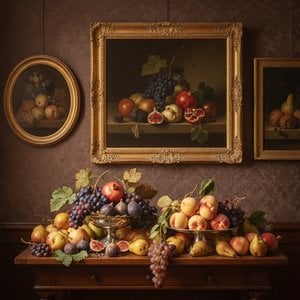
Discover the profound beauty of fruit still life paintings. Explore the rich symbolism, Baroque mastery, and timeless allure of nature's bounty through an art-historical lens, perfect for collectors and enthusiasts of classical fine art.

Discover the enchanting world of Naive Art. Explore the profound beauty of self-taught masters like Henri Rousseau through an art-history lens, uncovering how simple forms and vibrant colors create timeless, soulful masterpieces for the discerning collector.

Explore the profound beauty of fruit arrangement masterpieces. From Dutch Golden Age opulence to Baroque chiaroscuro, discover the art history, symbolism, and timeless elegance of classical still life paintings for the discerning collector.


 实景预览
实景预览
 分享
分享 分享
分享
 详情
详情 指南
指南

 下载作品
下载作品
 相似作品
相似作品 X射线
X射线 幻灯片播放
幻灯片播放 Q&A
Q&A 统计数据
统计数据 展开全文
展开全文









 玻璃选项仅适用于110厘米以下的尺寸。


