
 Oil On CanvasWallArtRenaissance
 1545
1545 101.0 x 58.0 cm
 冬宫博物馆 (Hermitage Museum)
购买高分辨率增强版数字图像,其品质远超在线预览。
每一份文件都由我们的内部专家使用先进工具与专业的后期润色技术精心打造。我们确保每一张图像都具备卓越的清晰度、精准的色彩还原度以及细腻的细节表现。
最终文件将在 72 小时内通过电子邮件交付,并针对专业、编辑及印刷用途进行了优化。其品质与顶级设计工作室、出版社和画廊所信赖的标准完全一致。
选择 WahooArt.com,您获得的不仅仅是一张图像——您收到的是经过专业级增强、精雕细琢的数字艺术作品,并享有满意保证。以下是您的订单中自动包含的所有内容:

您的高分辨率数字图像文件将在下单后 72 小时内通过电子邮件发送给您 —— 即可立即使用。

您的艺术品经过专业优化,结合先进的 AI 技术与人工修饰,确保呈现极致的细节、清晰度与色彩准确度。

不小心删除了文件或找不到了?没关系——我们将随时为您免费重发。

即刻拥有您的艺术作品,无需支付任何关税、税费或运费——数字下载始终免税。

我们通过专业工具与色彩管理技术,确保您的数字图像尽可能真实地还原原作色彩。

如果您对所购数字图像不满意,我们将在100天内为您进行修改或提供100%的全额退款——无需任何理由。

不满意?在收到数字文件后的100天内,您可以申请全额退款——无需任何理由。

购买 3 张图片可享 10% 折扣 - 购买 5 张可享 15% 折扣 - 购买 10+ 张可享 20% 折扣。非常适合创意项目、画廊和机构使用。
The year 1545 witnessed the creation of a profoundly moving work by Maerten van Heemskerck, “Crucifixion (Triptych),” a masterpiece that transcends mere representation and plunges directly into the heart of human sorrow. This triptych, now housed in prestigious collections, isn’t simply a depiction of Christ's sacrifice; it’s an immersive experience of grief, faith, and the profound weight of mortality – a testament to the artist’s skill in capturing not just form but also the very essence of emotion.
Van Heemskerck, a pivotal figure bridging the gap between the cool precision of Flemish masters like Jan van Scorel and the burgeoning dynamism of Italian Mannerism, masterfully employed his distinctive style. He inherited from his teacher’s influence a rich palette and an understanding of perspective that allowed him to create a scene brimming with detail and depth. Yet, unlike some of his contemporaries who favored elaborate ornamentation, Van Heemskerck's work is characterized by a restrained elegance, focusing instead on the raw power of emotion conveyed through gesture, expression, and carefully rendered textures. The painting’s composition immediately draws the eye to the central panel, dominated by the stark reality of Christ’s crucifixion – a scene both brutal and deeply poignant.
The triptych unfolds with deliberate grace, revealing layers of meaning within each fold. The central panel showcases the crux of the narrative: Jesus hanging on the cross, his body already beginning to succumb to death’s embrace. Van Heemskerck avoids sensationalism, opting for a dignified portrayal that emphasizes Christ's humanity rather than graphic detail. His face is serene, almost accepting, reflecting a profound spiritual surrender. Below the cross, Mary, draped in flowing robes of deep blue – a color associated with royalty and divinity – cradles the foot of the timber, her grief palpable in her slumped posture and downcast eyes. This intimate gesture speaks volumes about the depth of her maternal sorrow and her unwavering faith.
To either side of the central scene, we encounter figures representing Mary Magdalene and Saint Veronica. Magdalene, rendered with a subtle aging effect – a deliberate departure from conventional depictions of youthful purity – stands in quiet contemplation, holding a small jar, traditionally associated with ointment used to soothe Christ’s wounds. Her posture conveys a sense of sorrowful reflection, while Saint Veronica, depicted with an air of gentle dignity, holds the cloth bearing Christ's image—a symbol of compassion and humility. The inclusion of these figures elevates the scene beyond a simple depiction of the crucifixion, transforming it into a complex meditation on loss, redemption, and divine mercy.
Van Heemskerck’s journey to Italy in the early 1530s proved transformative. He absorbed the vibrant colors, dynamic compositions, and humanist ideals prevalent in Florentine art, incorporating them into his own distinctive style. This exposure is particularly evident in the use of light and shadow, which creates a dramatic atmosphere that heightens the emotional impact of the scene. The artist’s meticulous attention to detail—from the texture of the fabrics to the subtle nuances of expression—demonstrates a mastery of technique honed through years of study and experience.
Furthermore, this work is considered a pioneering example of Dutch family portraiture, predating many later iterations by decades. The inclusion of donors within the scene suggests a deliberate engagement with contemporary artistic trends and a desire to create a piece that would resonate with both religious piety and social status. The painting’s enduring appeal lies not only in its technical brilliance but also in its ability to evoke a profound sense of empathy and contemplation – a timeless reminder of humanity's shared experience of suffering and hope.
Reproductions of “Crucifixion (Triptych)” offer a remarkable opportunity to bring this powerful artwork into your home or office. The rich colors, intricate details, and emotional depth are faithfully captured in high-quality prints, allowing you to experience the artist’s vision anew. Whether displayed as a focal point in a living room or a contemplative piece in a study, this triptych serves as a constant reminder of faith, compassion, and the enduring power of art to move us deeply.

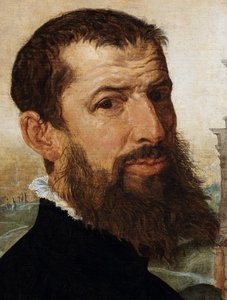
1498 - 1574 , 荷兰


 效果预览
效果预览
 切换至版画销售渠道
 分享
分享 分享
分享
 详情
详情

 下载
下载
 相似作品
相似作品 X射线
X射线 幻灯片播放
幻灯片播放 统计数据
统计数据 展开详情
展开详情


