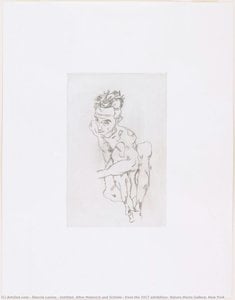
DrawingWallArtContemporary Realism
 1956Modern
 16.0 x 22.0 cm
 巴西中央银行货币博物馆
由我们的艺术家按需定制,为您提供您所选尺寸及画框的布面手工油画。 ( 切换至版画销售渠道 切换至数字图像销售渠道)





























从与原作比例一致的预设尺寸中进行选择。

您可以输入自定义尺寸,以适配特定的画框或空间。如果所选尺寸与原图比例不符,我们将通过裁剪作品或添加手绘元素来扩展画面。数字样稿将在制作开始前发送给您确认。
请注意,屏幕预览无法准确反映实际的裁剪或扩展效果,只有样稿才能真实呈现最终的构图。
虽然我们提供定制尺寸服务,但为了保留原作比例,建议您从预设列表中选择尺寸。

On stage
复制品尺寸
In the evocative black and white drawing On stage, created in 1956, Maciej Antoni Babinski invites the viewer into a profound moment of theatrical vulnerability. The scene captures a group of figures poised upon a stage, their bodies rendered with a striking lack of adornment that suggests both the nakedness of the human condition and the exposed nature of performance. Through meticulous line work, Babinski orchestrates a complex dance of gazes; some figures are locked in silent dialogue with one another, while others stare into the void, lost in internal monologues. This interplay of sight and averted eyes creates a palpable tension, transforming a simple stage setting into a psychological landscape where the boundaries between the performer and the persona begin to dissolve.
The technical mastery displayed in this piece lies in Babinski’s ability to use monochrome tones to sculpt form and emotion. Without the distraction of color, the viewer is forced to confront the raw textures of skin, the weight of limbs, and the subtle shifts in facial expressions that convey deep-seated anxieties or quiet contemplations. The artist utilizes a detailed approach characteristic of his Polish roots, yet infuses it with an experimental spirit that pushes toward the surreal. Each stroke serves to heighten the dramatic atmosphere, making the stage feel less like a physical platform and more like a metaphorical arena where the subconscious is laid bare for all to witness.
Deeply influenced by the psychological currents of his era, particularly Freudian psychoanalysis, Babinski utilizes On stage as a vessel for exploring archetypal themes. The stage itself serves as a powerful symbol for the social masks we wear in daily life—the "performance" of identity. By depicting figures in a state of near-nudity, the artist strips away these societal layers, leaving only the essential, often uncomfortable, truth of the human psyche. This piece resonates with collectors who appreciate art that transcends mere decoration to offer a window into the complexities of consciousness and the tension between our public facades and our private, primal selves.
For the discerning interior designer or art enthusiast, this work offers an unparalleled emotional depth. It is a piece that demands attention and invites prolonged study, making it a sophisticated centerpiece for a gallery-style collection or a contemplative corner of a modern living space. The starkness of the black and white medium allows it to integrate seamlessly into various high-end aesthetics, from minimalist contemporary settings to more classical, academic environments. Owning a reproduction of such a profound work is not merely about acquiring an image; it is about bringing a piece of psychological history and intense artistic expression into one's personal sanctuary.

马切伊·安东尼·巴宾斯基(Maciej Antoni Babinski)的一生,是关于流离失所带来的变革力量以及人类精神持久韧性的深刻见证。1931年出生于波兰波兹南,他的早年岁月深受20世纪中叶欧洲动荡局势的影响。第二次世界大战的爆发迫使他的家人向英国迁移,这段经历后来成为了他艺术意识中的基石。从英国到加拿大的蒙特利尔,再到最终定居巴西,这一段漂泊与重建的历程不仅改变了他的地理轨迹,更拓展了他创作语言的边界。每一片新的土地与文化都化作了催化剂,为他的作品注入了欧洲传统与新世界实验精神的独特融合。
随着巴宾斯基逐渐沉淀于艺术实践,他不仅以画家或版画家的身份出现,更蜕变为一位视觉哲学家。他在波兰接受的早期训练赋予了他对古典技法严谨的掌控力,然而,真正定义其艺术语汇的,是他与20世纪中期多元艺术思潮的邂逅。在加拿大,他参与了围绕保罗-埃米尔·博杜亚(Paul-Émile Borduas)展开的抽象运动;而在巴西长期的居住经历,则让他得以与奥古斯托·罗德里格斯(Augusto Rodrigues)和奥斯瓦尔多·戈尔迪(Oswaldo Goeldi)等大师那极具图形张力的风格进行灵魂对话。这些多样的影响最终汇聚成一种极其独特的风格:一种超现实主义与表现主义的融合,旨在绘制人类潜意识中那些尚未被开发的疆域。
邂逅巴宾斯基的作品,仿佛进入了一个现实与梦境边界消融的空间。他的作品集以对心理深度的强烈痴迷为特征,常利用黑与白的鲜明对比来唤起一种存在主义式的紧张感。他大师般地运用线条与形态,不仅是为了描绘主体,更是为了传达内在的存在状态。无论是通过那些细节令人心悸的蚀刻版画,还是色彩斑斓的抽象水彩,作品中都透着一种清晰可见的动荡与不安。他对扭曲的处理绝非偶然,而是一种刻意的手段,用以放大构图中的情感重量,邀请观众去直面恐惧、渴望与身份认同等复杂的情绪。
他作品中的象征意义往往汲取自原型意象,在个人经验与普遍真理之间架起了一座桥梁。他的创作中频繁出现:
巴宾斯基的艺术生涯既充满了巨大的创作成就,也烙印着政治动荡带来的深远影响。他在巴西利亚中央艺术学院的教学时光曾因政治迫害而悲剧性地中断,迫使他再次在巴西境内迁徙。尽管遭遇了这些干扰,他对于教育与艺术共同体的承诺始终坚定不移,这从他在乌伯兰迪亚联邦大学极具影响力的任教经历中可见一斑。这段学术服务时期确保了他对版画、插画及绘画的精湛技艺能够传承给后世的艺术家。
时至今日,马切伊·安东尼·巴宾斯基的历史意义在于他能够将全球化的视野转化为一种极具个人色彩的艺术语言。他的作品不仅仅是波兰或巴西艺术史的遗珍,更是对人类心灵的普遍探索。从巴西中央银行价值博物馆(Musée des Valeurs du Banque Central du Brésil)的显赫馆藏,到布兰顿美术馆(Blanton Museum of Art)的大厅,他的艺术遗产持续激荡着人们的心灵。对于任何试图理解“跨越大陆的人生轨迹如何孕育出能够诉说人类境遇中永恒真理的艺术”的人来说,他始终是一位至关重要的精神人物。

1931 - , 波兰

Elevate your most cherished memories with WahooArt’s bespoke service. We transform your personal photos into breathtaking, hand-painted black & white oil masterpieces. Experience museum-quality craftsmanship and timeless elegance for your private collection. Discover the art of legacy.

Explore the profound artistry of graphite drawing. Discover professional techniques for mastering depth, texture, and detail through a lens of art history, from classical sketches to modern masterpieces. Elevate your understanding of the pencil medium with our expert guide.

Explore the profound artistry of black and white photography. From historical mastery to the interplay of light and shadow, discover how monochrome captures timeless emotion and form through a sophisticated lens of art history.

Elevate your artistic practice with this expert guide to mastering the line. Discover advanced techniques in graphite, charcoal, and contour drawing designed for art students seeking technical precision and expressive depth in their fine art studies.


 效果预览
效果预览
 分享
分享 分享
分享
 详情
详情

 下载
下载
 相似作品
相似作品 X射线
X射线 幻灯片播放
幻灯片播放 统计数据
统计数据 展开详情
展开详情









 玻璃选项仅适用于110厘米以下的尺寸。