
 Oil On PanelRenaissance Humanism
 1525
1525 40.0 x 50.0 cm
 普拉多博物馆
博物馆级艺术微喷或帆布版画,制作高效,并提供多种饰面选择。 ( 购买手绘画作 切换至数字图像销售渠道)





























从与原作比例一致的预设尺寸中进行选择。

您可以输入自定义尺寸,以适配特定的画框或空间。如果您选择的尺寸与原图比例不符,我们将对作品进行裁剪,或通过镜像填充/纯色填充边缘的方式来扩展图像。在开始制作之前,我们会向您发送一份数字效果图供您确认。
请注意,屏幕上的预览并不能反映实际的裁剪或扩展效果。只有效果图才能准确展示最终的构图。
虽然我们提供定制尺寸,但为了保持原图比例,我们建议您从预设列表中选择尺寸。

Card Players
复制品尺寸
Lucas van Leyden’s “Card Players,” painted in 1525, is more than just a depiction of a game; it's a meticulously crafted snapshot of a burgeoning social world. Often referred to as the "Genesis of a Game," this oil-on-panel work offers a rare glimpse into the lives and leisure activities of the early 16th century Netherlands – a period marked by both artistic innovation and profound societal shifts. Van Leyden, a master painter and engraver deeply influenced by both Italian Renaissance ideals and his native Flemish traditions, has created an image that resonates with quiet intensity and unspoken narratives, inviting viewers to contemplate the complexities of human interaction.
The painting’s origins are rooted in the evolving social landscape of Europe. As urban centers flourished, new forms of social engagement emerged, and card games – previously largely confined to aristocratic circles – began to gain popularity among merchants, artisans, and a rising middle class. Van Leyden brilliantly captures this transformation by presenting not a grand tournament or formal competition, but a private gathering—a moment of shared camaraderie amidst the everyday realities of life. The composition itself is carefully orchestrated; the three figures are arranged in a dynamic triangular formation, drawing the eye to each individual while simultaneously suggesting an interplay between them – a silent conversation unfolding beneath the surface.
Van Leyden’s technical mastery is immediately evident. Every detail, from the folds of the clothing to the glint of light on the cards, is rendered with painstaking precision. The artist employs a masterful use of chiaroscuro – the dramatic contrast between light and shadow – to sculpt the figures, creating a sense of depth and volume that draws the viewer into the scene. Notice how the dark background serves to isolate the players, intensifying their presence and emphasizing their engagement with the game. The meticulous rendering of textures—the rough weave of the robes, the smooth surface of the cards—adds a remarkable level of realism, while the subtle variations in color contribute to the overall sense of atmosphere.
Furthermore, Van Leyden’s compositional choices are deliberate and sophisticated. The triangular arrangement of figures creates visual stability and directs the viewer's eye across the canvas. The placement of the women, particularly the central figure with her elaborate headdress, subtly asserts a position of authority within the group—a reflection of the changing roles of women in society during this period. The use of perspective, though not entirely linear, contributes to the illusion of depth and space, further immersing the viewer in the scene.
Beyond its technical brilliance, “Card Players” is rich in symbolic meaning. The game itself represents more than just a pastime; it symbolizes social status, wealth, and intellectual engagement. The piles of gold coins scattered on the table are a clear indication of prosperity and success—a key aspiration for many merchants and artisans during this era. The cards themselves can be interpreted as metaphors for chance, fortune, and the unpredictable nature of life. The quiet expressions on the faces of the players suggest a blend of concentration, anticipation, and perhaps even a touch of rivalry.
Moreover, the painting reflects the humanist ideals that were gaining prominence during the Renaissance. Van Leyden’s focus on human interaction and everyday life—rather than grand historical events or religious narratives—aligns with this broader cultural shift. The scene is not idealized; it's grounded in reality, offering a nuanced portrayal of social dynamics and the complexities of human relationships. The painting serves as a testament to the Renaissance fascination with observing and representing the world around us.
“Card Players” possesses a remarkable emotional resonance that transcends its historical context. Despite the lack of overt drama, the painting evokes a sense of quiet intensity—a feeling of being privy to a private moment of connection and shared experience. The subtle expressions on the faces of the players invite viewers to speculate about their thoughts and feelings, creating a powerful sense of empathy. The scene is both familiar and enigmatic, capturing the timeless appeal of human interaction and the enduring fascination with games of chance.
Whether viewed as a historical document, an artistic masterpiece, or simply a captivating image, “Card Players” continues to resonate with audiences today—a testament to Lucas van Leyden’s skill as a painter and his profound understanding of the human condition.


1494 - 1533 , 荷兰

探索伦勃朗25幅杰作,领略荷兰黄金时代光影大师的艺术传奇!从《夜巡》到自画像,深入了解巴洛克艺术、历史绘画与人物肖像背后的故事。WahooArt.com提供高清艺术复制品及家居装饰灵感。立即探索完整系列!

Explore the life & work of Adriaen van Ostade, a leading Dutch Golden Age painter. Discover his realistic genre scenes, social commentary, and lasting influence on art history. Learn more at WahooArt.

Discover Jan van Goyen, the master of Dutch landscape painting. Explore his subtle technique, atmospheric realism & lasting influence on art history. Learn about this 17th-century pioneer at WahooArt.
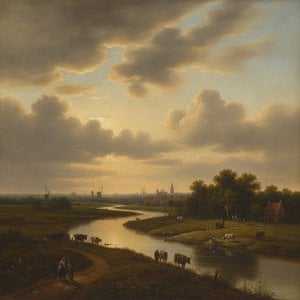
Discover the breathtaking beauty of Dutch Golden Age landscapes. Explore the mastery of light, chiaroscuro, and 17th-century realism through an expert art history lens, celebrating the enduring legacy of the Dutch Masters for discerning collectors and art lovers.

Explore the groundbreaking prints of Lucas van Leyden, a Dutch master bridging Gothic detail & Renaissance innovation. Discover his rare works, investment potential, and legacy for discerning collectors.


 效果预览
效果预览
 分享
分享 分享
分享
 详情
详情

 下载
下载
 相似作品
相似作品 X射线
X射线 幻灯片播放
幻灯片播放 统计数据
统计数据 展开详情
展开详情









 玻璃选项仅适用于110厘米以下的尺寸。


