由我们的艺术家按需定制,为您提供您所选尺寸及画框的布面手工油画。 ( 切换至版画销售渠道 切换至数字图像销售渠道)





























从与原作比例一致的预设尺寸中进行选择。

您可以输入自定义尺寸,以适配特定的画框或空间。如果所选尺寸与原图比例不符,我们将通过裁剪作品或添加手绘元素来扩展画面。数字样稿将在制作开始前发送给您确认。
请注意,屏幕预览无法准确反映实际的裁剪或扩展效果,只有样稿才能真实呈现最终的构图。
虽然我们提供定制尺寸服务,但为了保留原作比例,建议您从预设列表中选择尺寸。

Portrait Philipp Melanchthon
复制品尺寸
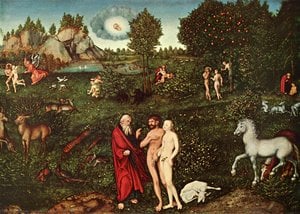
Lucas Cranach the Elder’s “Portrait of Philipp Melanchthon” is more than just a likeness; it's a window into the intellectual and spiritual currents of 16th-century Germany. Painted in 1555, during a period of profound religious transformation – the heart of the Protestant Reformation – this portrait captures the essence of a man deeply engaged with the burgeoning ideas reshaping Europe. The subject, Philipp Melanchthon, was a pivotal figure as Cranach’s personal secretary and later, a key theological advisor to Martin Luther. The painting's power resides not just in its representation of Melanchthon but in its embodiment of the era’s anxieties and aspirations.
The subject’s attire – a dark, flowing robe – immediately evokes religious imagery, aligning with Melanchthon’s role as a theologian. The subtle smile on his face suggests both intelligence and perhaps a quiet confidence in the new theological direction being championed by Luther. The presence of the two secondary figures, positioned to the left and right, adds another layer of complexity. They may represent students or colleagues, highlighting Melanchthon's influential position within the intellectual circles of Wittenberg. The painting’s creation coincided with a period of intense debate and upheaval, making it a powerful visual statement about the changing religious landscape.
Cranach’s “Portrait of Philipp Melanchthon” transcends a simple depiction of an individual. It is a testament to the intellectual fervor and spiritual questioning that defined the era. The painting's enduring appeal lies in its ability to capture a moment in time, revealing not only the physical appearance of a key figure but also his character and intellect. This reproduction offers a unique opportunity to own a piece of art history – a tangible connection to one of the most transformative periods in Western civilization. Its rich textures and nuanced details invite contemplation on faith, reason, and the enduring legacy of Lucas Cranach the Elder.


1472 - 1553 , 德國

Elevate your design projects with WahooArt's premium canvas prints and hand-painted reproductions. From Giclée excellence to bespoke oil commissions, we provide professional decorators with museum-quality, affordable art solutions delivered worldwide with a 100% satisfaction guarantee.

探索 WahooArt.com 高品质艺术海报打印服务。我们专注于博物馆级色彩还原与精准的尺寸定制,为精英收藏家与室内设计师提供理想的装饰方案。凭借二十余年的专业工艺、全球免费配送及100%满意保证,让每一件精美艺术品都能完美融入您的私人空间,成就卓越审美格调。


 效果预览
效果预览
 分享
分享 分享
分享
 详情
详情

 下载
下载
 相似作品
相似作品 X射线
X射线 幻灯片播放
幻灯片播放 统计数据
统计数据


 展开详情
展开详情









 玻璃选项仅适用于110厘米以下的尺寸。