x































从与原作比例一致的预设尺寸中进行选择。

您可以输入自定义尺寸,以适配特定的画框或空间。如果您选择的尺寸与原图比例不符,我们将对作品进行裁剪,或通过镜像填充/纯色填充边缘的方式来扩展图像。在开始制作之前,我们会向您发送一份数字效果图供您确认。
请注意,屏幕上的预览并不能反映实际的裁剪或扩展效果。只有效果图才能准确展示最终的构图。
虽然我们提供定制尺寸,但为了保持原图比例,我们建议您从预设列表中选择尺寸。

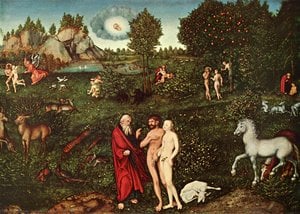
Adam and Eve
复制品尺寸
Lucas Cranach the Elder's “Adam and Eve,” painted in 1528, is more than just a depiction of a biblical narrative; it’s a profound meditation on human fallibility, temptation, and the very essence of our relationship with nature. Executed during a period of intense religious and social transformation – the early years of the Reformation – this oil painting embodies the spirit of the Northern Renaissance, showcasing Cranach's mastery of color, composition, and psychological realism. The scene unfolds with a quiet intensity: Adam and Eve stand before the Tree of Knowledge, their nakedness a deliberate statement against the imposed shame, while Eve holds the forbidden fruit, an emblem of both knowledge and transgression. The artist’s meticulous attention to detail – from the delicate rendering of the leaves adorning their bodies to the subtle expressions on their faces – creates a palpable sense of vulnerability and drama, drawing the viewer into this pivotal moment in human history.
Cranach's skill as a painter is immediately apparent in “Adam and Eve.” He employs a vibrant, almost jewel-toned palette – deep reds, rich greens, and earthy browns – to create a visually arresting image. The artist’s brushwork is remarkably precise, particularly evident in the rendering of the figures’ musculature and the intricate details of the tree itself. He utilizes sfumato, a technique perfected by Leonardo da Vinci, to soften edges and create an atmospheric haze, adding depth and realism to the composition. This meticulous approach, combined with his understanding of light and shadow, elevates the painting beyond a simple illustration; it becomes a carefully constructed exploration of human emotion and form. The use of oil paint allowed for layering and blending, creating textures and tones that were previously unattainable with tempera.
The symbolism within “Adam and Eve” is layered and complex. The Tree of Knowledge represents not just forbidden knowledge but also the potential for enlightenment and understanding – a concept central to the Reformation’s challenge to papal authority. Eve's act of taking the fruit symbolizes humanity’s inherent desire for autonomy, even in defiance of divine command. The leaves covering Adam and Eve’s bodies are more than mere decorative elements; they represent their initial state of innocence and modesty, tragically lost through temptation. The dark background further emphasizes the figures, creating a dramatic contrast that heightens the emotional impact of the scene.
"Adam and Eve" was created during a period of immense social and religious upheaval in Europe. Cranach’s work reflects this turmoil, engaging with themes of faith, doubt, and rebellion against established authority. The painting's enduring appeal lies not only in its artistic merit but also in its timeless exploration of fundamental human questions – questions that continue to resonate today. As a cornerstone of Northern Renaissance art, it offers a powerful window into the intellectual and spiritual landscape of 16th-century Germany, and its themes of temptation and consequence remain universally relevant. This artwork’s legacy extends far beyond its original context, solidifying its place as a masterpiece of Western art history.

1472 - 1553 , 德國

Discover the profound allure of oil on canvas. Explore the mastery of impasto textures, the science of pigment longevity, and expert guides to selecting museum-quality reproductions that elevate your collection with timeless elegance and tactile depth.


第一时间获取最新的艺术新闻、独家优惠及装饰灵感。
向我们介绍您的项目需求,我们的艺术专家将为您提供 3 个个性化的艺术品推荐。
由我们的专家为您精选 3 款心仪之作 —— 完全免费!


 效果预览
效果预览
 购买手绘画作
 分享
分享 分享
分享
 详情
详情

 下载
下载
 相似作品
相似作品 X射线
X射线 幻灯片播放
幻灯片播放

 展开详情
展开详情









 玻璃选项仅适用于110厘米以下的尺寸。