效果预览 AR 预览 切换至版画销售渠道 切换至数字图像销售渠道 分享
详情 加入收藏 下载 相似作品 X射线 幻灯片播放 统计数据

The Lamentation

Explore the life & works of Luca Giordano, the celebrated Neapolitan Baroque master. Discover his prolific fresco cycles, Roman commissions, and lasting influence on European art history. Learn more at WahooArt.

意大利巴洛克大师卢卡·乔尔丹诺 (1634-1705),以其惊人的速度和华丽壁画闻名。他的作品融合了现实主义、光彩照人色彩和动态构图,在西班牙宫廷任职期间,为西班牙艺术注入了意大利的活力。探索他杰出的绘画遗产,包括《巴黎审判》等经典之作。

手工油画复制品

由我们的艺术家按需定制,为您提供您所选尺寸及画框的布面手工油画。 ( 切换至版画销售渠道 切换至数字图像销售渠道)

P118B $10
P118H $10
P118W $10
P438Z $10
P508JH $12
P508YH $12
P805H $10
P805Z $10
P919BZ $10
P919G $10
P919XJ $10
P959ZH $10
P968JZ $12
W106C $8
W218G $10
W218JH $8
W218Y $10
W307PJ $10
W316G $10
W316PJ $8
W316Y $10
W398PJ $8
W4111J $10
W500HY $15
W500JH $15
W692G $12
W849H $8
W940BG $15
W953PJ $8

标准尺寸
定制
CM
INCH

从与原作比例一致的预设尺寸中进行选择。

宽度
高度

您可以输入自定义尺寸,以适配特定的画框或空间。如果所选尺寸与原图比例不符,我们将通过裁剪作品或添加手绘元素来扩展画面。数字样稿将在制作开始前发送给您确认。
请注意,屏幕预览无法准确反映实际的裁剪或扩展效果,只有样稿才能真实呈现最终的构图。
虽然我们提供定制尺寸服务,但为了保留原作比例,建议您从预设列表中选择尺寸。

可定制示例:将面部替换为客户照片;添加宠物(例如,将猫替换为狗);在背景中加入隐藏信息;更改背景风景或元素。
下单后,WahooArt.com 团队将通过电子邮件联系客户获取具体要求,并提供效果预览图。

全球配送(),仅需 3-4 周即可送达,无需等待标准时效的 5 周。(17 September)。品质绝不妥协。

why_choose_icon
全球免费特快专递服务
why_choose_icon
优质亚麻画布
why_choose_icon
全程运输保险
why_choose_icon
关税退款保证
why_choose_icon
色彩还原度保证
why_choose_icon
100天退货政策(仅限瑕疵品)
why_choose_icon
100%退款保证
why_choose_icon
多件购买优惠

总计金额

$ 272

reproduction

The Lamentation

复制材质

复制品尺寸

-

最终总价

$ 272

作品概览

  • Influences:
    • Ribera
    • Rubens
  • Artist: Luca Giordano
  • Dimensions: 155x182 cm
  • Notable elements or techniques: Dramatic lighting, expressive faces
  • Movement: Baroque
  • Medium: Oil on canvas
  • Artistic style: Neapolitan Baroque

Luca Giordano’s ‘The Lamentation’: A Baroque Symphony of Grief and Grace

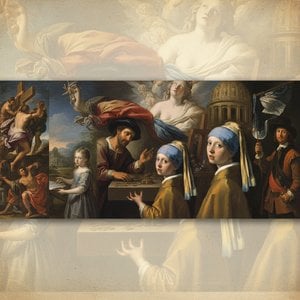
WahooArt.com presents a meticulously hand-painted reproduction of Luca Giordano's “The Lamentation,” a profoundly moving work completed in 1669, offering a rare glimpse into the heart of late Baroque religious art. Measuring 117 x 160 cm, this canvas transcends mere representation; it’s an immersive experience of sorrow, faith, and the profound human response to suffering. Giordano, a “Neapolitan Dynamo” as he was known, was a prolific artist whose influence spanned Italy and Spain, characterized by his dynamic compositions and masterful use of light – a direct descendant of his formative apprenticeship under Jusepe de Ribera, yet infused with a distinctly brighter, more fluid sensibility.

  • Subject Matter: The scene depicts the traditional Pietà motif – the Virgin Mary mourning the dead Christ. This subject was incredibly popular during the Baroque period, reflecting the era’s intense religious fervor and fascination with themes of death, redemption, and divine sorrow.
  • Style & Technique: Giordano's style is a compelling blend of realism and theatricality, hallmarks of the late Baroque. Notice the carefully rendered musculature of Christ’s body, echoing Ribera’s influence, combined with a vibrant palette and swirling drapery that convey movement and emotion. The artist employs a loose brushstroke technique, creating a sense of immediacy and urgency within the scene.

Symbolism Woven into the Fabric of Grief

“The Lamentation” is rich in symbolic meaning, deeply rooted in Christian iconography. Mary Magdalene, positioned prominently at Christ’s side, represents repentance and divine grace – a common association during this period. The inclusion of other mourners, including women holding children, underscores the universal nature of grief and the potential for salvation through faith. The baby held by one woman is particularly poignant, symbolizing innocence lost and offering a glimmer of hope amidst despair. The angel figure on the right, often interpreted as Gabriel, adds to the divine presence observing this earthly tragedy. Even the small bird perched near the top left corner could symbolize the soul’s journey towards heaven.

  • Color Palette: Giordano utilizes a rich and luminous color palette dominated by deep blues, reds, and golds – colors traditionally associated with royalty, divinity, and sacrifice.
  • Compositional Dynamics: The diagonal lines created by Christ’s body and the figures' gestures contribute to the painting’s dramatic tension and guide the viewer’s eye through the scene.

Historical Context & Giordano’s Legacy

Created in 1669, “The Lamentation” reflects the artistic climate of Naples during Giordano’s career – a period marked by intense religious patronage and a desire to create works that would inspire piety and awe. Giordano's ability to quickly execute complex commissions earned him his nickname, "Luca fa presto," highlighting his remarkable productivity and skill. This painting stands as a testament to his mastery of the Baroque style and his significant contribution to Neapolitan art history. It’s a powerful reminder of the enduring themes explored in religious art – grief, faith, and the promise of redemption – rendered with exceptional technical skill and emotional depth.

Perfect for Collection & Interior Design

This hand-painted reproduction captures the essence of Giordano's masterpiece, offering an exquisite addition to any art collection or interior design scheme. Its scale (117 x 160 cm) makes it suitable for a variety of spaces, from formal living rooms to contemplative study areas. The vibrant colors and dramatic composition will undoubtedly become a focal point, evoking the grandeur and emotional intensity of Baroque art.

艺术家简介

Luca Giordano (1634-1705): Exploring the Vibrant Baroque Masterpiece

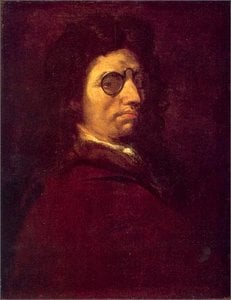
Luca Giordano, born in Naples on October 18, 1634, stands as one of Italy’s most celebrated and prolific painters of the late Baroque era. He wasn't merely a craftsman; he was an incandescent force—a whirlwind of creativity whose astonishing output fundamentally reshaped both artistic landscapes and architectural grandeur across Italy and Spain. His father, Antonio Giordano, instilled in him the initial foundations of his artistic education, yet it was under the tutelage of Jusepe de Ribera that Luca truly honed his distinctive style, forging an indelible connection between dramatic intensity and meticulous realism. This formative apprenticeship bequeathed a legacy of theatrical flair and painstaking detail—traits that would permeate Giordano’s oeuvre throughout his illustrious career. Even then, he earned the moniker “Luca fa presto”—Luca the quick one—a testament to his unparalleled speed and seemingly limitless energy; he possessed an uncanny ability to capture profound emotion and breathtaking spectacle with effortless grace.

From Naples' Crucible to Rome's Artistic Heart

Giordano’s artistic journey commenced in Naples, where he absorbed the vibrant spirit of the city’s artistic milieu—a crucible of innovation fueled by papal patronage and a fervent devotion to religious iconography. He swiftly gained recognition for his prodigious talent, attracting commissions from influential families and ecclesiastical dignitaries alike. However, recognizing the need for broader exposure and intellectual stimulation, Giordano embarked on a transformative pilgrimage to Rome in 1682, seeking inspiration from the city’s artistic titans—Titian, Veronese, and Pietro da Cortona—who championed luminous color palettes and dynamic compositional strategies. This encounter profoundly impacted his stylistic sensibilities, propelling him toward a synthesis of realism and expressive dynamism that would characterize his subsequent works. He diligently studied the techniques employed by these masters, meticulously replicating their brushwork and mastering their mastery of illusionistic space—a decisive step in establishing his own artistic signature. During this period, he undertook significant fresco cycles, notably adorning the dome of the Corsini Chapel at the Chiesa del Carmine—a monumental undertaking that showcased his burgeoning virtuosity and cemented his reputation as one of Rome’s foremost artists.

The Influence of Ribera: Drama and Realism Embodied

Jusepe de Ribera exerted a profound influence on Giordano's artistic development, shaping his stylistic preferences and fostering an unwavering commitment to dramatic realism. Like Ribera, Giordano prioritized conveying emotion through meticulous observation—capturing the nuances of human expression with unflinching honesty. He meticulously rendered figures in chiaroscuro—the interplay of light and shadow—creating a palpable sense of depth and psychological complexity—a technique inherited directly from Ribera’s groundbreaking approach. Furthermore, Giordano embraced Ribera's penchant for portraying subjects with visceral immediacy—capturing the physicality of human form with unflinching detail—reflecting Ribera’s unwavering dedication to capturing the essence of human experience. This stylistic convergence underscored the enduring power of artistic mentorship and demonstrated how a single teacher could shape an artist’s entire creative vision.

A Synthesis of Venetian Luminosity: Embracing Color and Movement

Giordano's artistic sensibilities were further enriched by his engagement with Venetian painting—a tradition characterized by luminous color palettes and dynamic compositional strategies. He meticulously studied the works of Titian and Veronese, absorbing their mastery of pigment manipulation and their ability to evoke profound emotion through visual spectacle. Like Venetian painters, Giordano prioritized conveying movement—capturing fleeting gestures and expressions with remarkable fluidity—creating an impression of vibrant energy and theatrical dynamism. He skillfully blended Venetian luminosity with Ribera’s dramatic realism—a harmonious fusion that resulted in a distinctive stylistic hallmark—demonstrating his versatility as an artist and his willingness to embrace diverse influences. This approach allowed him to tackle a wide range of subjects – from religious narratives to mythological tales – with equal conviction and artistic finesse.

Monumental Frescoes: Transforming Spaces into Living Tapestries

Luca Giordano’s legacy resides primarily in his monumental fresco cycles—works that fundamentally transformed architectural spaces into immersive visual experiences—engulfing viewers in worlds brimming with color, drama, and narrative complexity. He undertook ambitious projects across Italy and Spain, adorning palaces and churches alike with lavish frescoes celebrating divine majesty and commemorating historical events. His frescoes at Naples Cathedral exemplify this artistic ambition—a breathtaking display of decorative grandeur that captivated audiences for centuries. Similarly, his monumental cycle in the Palazzo Nuovo di Napoli showcases his mastery of illusionistic space and narrative storytelling—creating a captivating panorama that transports viewers back to the glories of the Baroque era. Giordano’s ability to seamlessly blend technical virtuosity with emotional depth ensured his place as one of Italy's most revered artists—a testament to his enduring influence on subsequent generations of painters. He died peacefully in Naples on January 3, 1705, leaving behind a vast artistic corpus that continues to inspire admiration and scholarly inquiry.

Notable Works & Artistic Connections

  • The Judgment of Paris (Berlin Museum): A quintessential example of Giordano’s mythological paintings—characterized by vibrant color palettes and dynamic compositional strategies.
  • Christ with the Doctors in the Temple (Corsini Gallery, Rome): Demonstrates Giordano's skill in religious narrative and mastery of light and shadow—a technique rooted in Ribera’s pioneering approach.
  • Frescoes in Naples Cathedral & Palazzo Nuovo: Monumental achievements transforming architectural spaces into immersive visual experiences—reflecting Venetian painting’s influence.
  • Influences: Jusepe de Ribera, Titian, Veronese, Pietro da Cortona
卢本斯

卢本斯

1634 - 1705 , 意大利

艺术家简介

  • Artistic Movement Or Style: 巴洛克艺术风格
  • Artists Or Movements Influenced By This Artist: ['帕奧洛·德·馬泰伊斯']
  • Artists Who Influenced This Artist:
    • 尤塞佩·德·里貝拉
    • 提坦尼亞
    • 維羅納斯
  • Date Of Birth: 1634年10月18日
  • Date Of Death: 1705年1月3日
  • Full Name: Luca Giordano
  • Nationality: 意大利人
  • Notable Artworks:
    • 巴黎審判畫作
    • 基督與醫生畫作
    • 佛羅倫薩和那不勒斯的壁畫
  • Place Of Birth: 意大利那不勒斯