
 Acrylic On CanvasWallArtBaroque
 114.0 x 116.0 cm
 Residenzgalerie
购买高分辨率增强版数字图像,其品质远超在线预览。
每一份文件都由我们的内部专家使用先进工具与专业的后期润色技术精心打造。我们确保每一张图像都具备卓越的清晰度、精准的色彩还原度以及细腻的细节表现。
最终文件将在 72 小时内通过电子邮件交付,并针对专业、编辑及印刷用途进行了优化。其品质与顶级设计工作室、出版社和画廊所信赖的标准完全一致。
选择 WahooArt.com,您获得的不仅仅是一张图像——您收到的是经过专业级增强、精雕细琢的数字艺术作品,并享有满意保证。以下是您的订单中自动包含的所有内容:

您的高分辨率数字图像文件将在下单后 72 小时内通过电子邮件发送给您 —— 即可立即使用。

您的艺术品经过专业优化,结合先进的 AI 技术与人工修饰,确保呈现极致的细节、清晰度与色彩准确度。

不小心删除了文件或找不到了?没关系——我们将随时为您免费重发。

即刻拥有您的艺术作品,无需支付任何关税、税费或运费——数字下载始终免税。

我们通过专业工具与色彩管理技术,确保您的数字图像尽可能真实地还原原作色彩。

如果您对所购数字图像不满意,我们将在100天内为您进行修改或提供100%的全额退款——无需任何理由。

不满意?在收到数字文件后的100天内,您可以申请全额退款——无需任何理由。

购买 3 张图片可享 10% 折扣 - 购买 5 张可享 15% 折扣 - 购买 10+ 张可享 20% 折扣。非常适合创意项目、画廊和机构使用。
Luca Giordano's "Resurrection," painted circa 1665 in the heart of Naples, isn’t merely a depiction of a biblical event; it’s an immersive experience—a vibrant testament to the artist’s revolutionary approach to Baroque painting. More than just a religious scene, it embodies a profound sense of movement, luminosity, and emotional intensity that immediately captivates the viewer. Giordano, nicknamed “Luca fa presto” for his prodigious speed and versatility, had already established himself as a master of capturing dramatic action and realistic figures, but this work represents a pivotal shift in his style—a conscious embrace of light and color that would define his legacy.
The painting immediately draws the eye to Christ’s resurrected form. He is not depicted as a static, ethereal figure, but rather as a dynamic force being lifted heavenward by a multitude of angels. The composition is carefully orchestrated: the dark foreground, dominated by startled Roman soldiers, serves as a dramatic counterpoint to the radiant light emanating from Christ and his ascent. Giordano masterfully employs chiaroscuro—the interplay of light and shadow—to heighten the sense of drama and create an almost theatrical effect. Notice how the shadows cling to the figures in the foreground, emphasizing their astonishment and vulnerability, while the light washes over Christ’s body, highlighting its physicality and conveying a powerful message of rebirth.
Giordano’s style was deeply rooted in the artistic traditions of Naples, yet he boldly pushed beyond the somber palette favored by his predecessor, Jusepe de Ribera. While influenced by Ribera’s dramatic realism and anatomical precision—evident in the muscularity of Christ’s body and the detailed rendering of the soldiers—Giordano infused his work with a newfound vibrancy and luminosity. He drew inspiration from Venetian masters like Titian and Veronese, incorporating their techniques for creating rich color harmonies and dynamic compositions. The use of ochre, crimson, and gold creates an opulent atmosphere, suggesting not just resurrection but also divine grace and power.
The artist’s technique is particularly noteworthy. Giordano employed a rapid, almost frenetic brushstroke—a characteristic that earned him his nickname “Luca fa presto.” This technique allowed him to capture the fleeting expressions of emotion on the faces of the soldiers and create a sense of movement within the composition. He also utilized a layering technique, applying thin glazes of color over previous layers to build up depth and luminosity. The result is a surface that seems to shimmer with light—a testament to Giordano’s mastery of color and his innovative approach to painting.
Beyond its technical brilliance, “Resurrection” is rich in symbolic meaning. The soldiers, initially frozen in terror, represent the human condition—our vulnerability and our need for salvation. Their awakening signifies a shift from darkness to light, fear to faith. Christ’s outstretched arms symbolize his sacrifice and his triumph over death. The angels, depicted with dynamic gestures, embody divine intervention and the promise of eternal life. The sword at the bottom left corner, often interpreted as representing the power of judgment, subtly underscores the gravity of the event while simultaneously hinting at the possibility of redemption.
Furthermore, the scene’s setting—a humble Roman house—adds another layer of meaning. It suggests that salvation is not confined to a grand cathedral or a sacred temple but can be found in everyday life. Giordano's choice to depict this pivotal moment within a domestic space elevates it from a purely religious narrative to a universal story of hope and renewal. The painting invites contemplation on themes of faith, sacrifice, and the enduring power of the human spirit.
“Resurrection” remains one of Luca Giordano’s most celebrated works, admired for its dramatic intensity, vibrant color palette, and innovative technique. Today, high-quality reproductions offer a remarkable opportunity to experience this masterpiece firsthand. Whether adorning a grand salon or a smaller interior space, a reproduction of “Resurrection” can infuse any room with a sense of drama, spirituality, and timeless beauty. It’s a powerful reminder of Giordano's revolutionary contribution to the Baroque era—a testament to his ability to capture not just the likeness of his subjects but also their very souls.

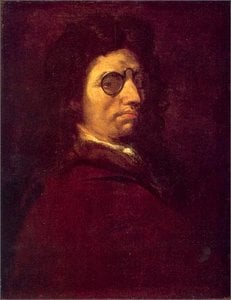
1634 - 1705 , 意大利


 效果预览
效果预览
 切换至版画销售渠道
 分享
分享 分享
分享
 详情
详情

 下载
下载
 相似作品
相似作品 X射线
X射线 幻灯片播放
幻灯片播放 统计数据
统计数据 展开详情
展开详情


