
博物馆级艺术微喷或帆布版画,制作高效,并提供多种饰面选择。 ( 购买手绘画作 切换至数字图像销售渠道)





























从与原作比例一致的预设尺寸中进行选择。

您可以输入自定义尺寸,以适配特定的画框或空间。如果您选择的尺寸与原图比例不符,我们将对作品进行裁剪,或通过镜像填充/纯色填充边缘的方式来扩展图像。在开始制作之前,我们会向您发送一份数字效果图供您确认。
请注意,屏幕上的预览并不能反映实际的裁剪或扩展效果。只有效果图才能准确展示最终的构图。
虽然我们提供定制尺寸,但为了保持原图比例,我们建议您从预设列表中选择尺寸。

LA MORT DE SENEQUE
复制品尺寸
In the grand, sweeping tradition of the Neapolitan Baroque, Luca Giordano’s “La Mort de Sénèque” emerges not merely as a painting, but as a visceral theatrical performance captured in oil. The scene depicts one of antiquity's most poignant moments: the forced suicide of the Stoic philosopher Seneca the Younger, ordered by the Emperor Nero. Giordano, often celebrated as “Luca fa presto” for his incredible speed and prolific genius, manages to slow time within this canvas, freezing a moment of profound transition between life and death. The viewer is thrust into a crowded, intimate space where the air feels heavy with the weight of mortality and the solemnity of intellectual conviction.
The composition is a masterclass in Baroque dynamism. Rather than offering a detached, panoramic view, Giordano employs a tight, almost claustrophobic framing that pulls the observer into the inner circle of Seneca’s final moments. Diagonal lines, formed by the expressive limbs of onlookers and the heavy folds of luxurious drapery, act as visual guides, relentlessly directing the eye toward the central figure. Seneca himself is rendered with a palpable sense of fragility; his aged, pale form reclines upon cushions, serving as the quiet, still anchor amidst a sea of agitated movement. This tension between the stillness of the dying philosopher and the kinetic energy of those surrounding him creates a rhythmic pulse that keeps the eye wandering through the drama.
To behold this work is to witness the transformative power of chiaroscuro. Giordano utilizes dramatic contrasts between deep, swallowing shadows and piercing highlights to sculpt the figures from the darkness. This interplay does more than provide three-dimensional depth; it functions as a psychological tool. Light emanates from unseen sources, illuminating Seneca’s weary face and the frantic gestures of his companions, casting much of the background into a mysterious gloom that mirrors the encroaching unknown of death. The highlights catch the sheen of skin, the texture of fabric, and the glint of scattered scrolls, adding a layer of tactile realism that is deeply immersive.
The color palette further enriches this emotional landscape. A symphony of warm, resonant tones—deep ochres, earthy browns, and blood-like reds—dominates the scene, evoking the heat of passion and the gravity of the historical tragedy. These are masterfully contrasted with sudden, cool accents of blue and green, which prevent the warmth from becoming stagnant and instead inject a sense of tension and vitality into the composition. Giordano’s brushwork, characterized by a certain fluid brilliance, allows for a variety of textures to emerge: the smooth, almost translucent skin of the elderly Seneca contrasts sharply with the heavy, rough impasto of the onlookers' garments, creating a sensory experience that transcends the visual.
Beyond its technical virtuosity, “La Mort de Sénèque” is an exploration of the human condition. The scattered books and scrolls surrounding the philosopher serve as silent witnesses to his life of thought, suggesting that while the body may perish, the intellect leaves a lasting imprint. The varied reactions of the crowd—ranging from profound grief to morbid curiosity—provide a mirror for the viewer’s own emotional response, making the piece deeply relatable across centuries. For the discerning collector or interior designer, this artwork offers more than just aesthetic grandeur; it provides a focal point of profound narrative depth.
Integrating a high-quality reproduction of such a masterpiece into a curated space brings with it an atmosphere of historical prestige and contemplative elegance. Whether placed in a library, a formal study, or a grand salon, Giordano’s work commands attention through its ability to evoke both awe and introspection. It is a piece that does not merely decorate a wall but breathes life into a room, inviting all who encounter it to reflect on the enduring strength of the human spirit in the face of inevitable fate.

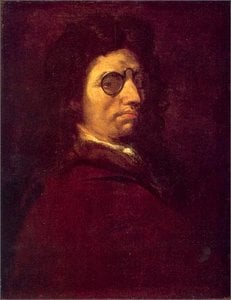
1634 - 1705 , 意大利
Step into the drama of the Baroque era. Explore 10 iconic masterpieces featuring breathtaking chiaroscuro and legendary artists. Find inspiration for your collection with museum-quality art reproductions at WahooArt.com. Discover all masterpieces on WahooArt.com


 效果预览
效果预览
 分享
分享 分享
分享
 详情
详情 指南
指南

 下载
下载
 相似作品
相似作品 X射线
X射线 幻灯片播放
幻灯片播放 统计数据
统计数据


 展开详情
展开详情









 玻璃选项仅适用于110厘米以下的尺寸。


