
 MarbleSculptureRenaissance
 1431Renaissance
 100.0 x 94.0 cm
 普拉多博物馆
博物馆级艺术微喷或帆布版画,制作高效,并提供多种饰面选择。 ( 购买手绘画作 切换至数字图像销售渠道)
从与原作比例一致的预设尺寸中进行选择。

您可以输入自定义尺寸,以适配特定的画框或空间。如果您选择的尺寸与原图比例不符,我们将对作品进行裁剪,或通过镜像填充/纯色填充边缘的方式来扩展图像。在开始制作之前,我们会向您发送一份数字效果图供您确认。
请注意,屏幕上的预览并不能反映实际的裁剪或扩展效果。只有效果图才能准确展示最终的构图。
虽然我们提供定制尺寸,但为了保持原图比例,我们建议您从预设列表中选择尺寸。

Cantoria: second top relief
复制品尺寸
To stand before Cantoria: second top relief is to step directly into the vibrant intellectual atmosphere of early Quattrocento Florence. This magnificent marble work, executed by the master craftsman Luca della Robbia in 1431, is far more than a mere sculptural grouping; it is a tangible echo of Renaissance humanism itself. The scene unfolds with an arresting sense of community, depicting a gathering of figures whose very presence speaks to the burgeoning value placed on knowledge and discourse during this pivotal era. Observe the multitude—at least thirteen individuals clustered together, their varied poses suggesting animated conversation and shared contemplation.
Della Robbia’s genius is inseparable from his revolutionary handling of materials. While he became famed for his terracotta, the medium here showcases a profound command over marble, allowing him to achieve an exquisite balance between monumental solidity and delicate narrative grace. The craftsmanship visible in this piece is breathtaking; every fold of drapery, every gesture of the hand, speaks to years of rigorous study and unparalleled technical skill. The figures are not static mannequins but participants caught mid-thought, their forms rendered with a lifelike immediacy that belies the permanence of the stone.
The inclusion of books within the hands of several figures is perhaps the most potent symbolic element. In the context of 15th-century Florence—a crucible for rebirth in art, science, and philosophy—these volumes represent the accumulated wisdom of antiquity and the burgeoning spirit of human inquiry. The gathering itself suggests a scholarly circle, a *cantoria*, where ideas were debated, refined, and passed down through generations. It evokes an emotional resonance of belonging to something greater than oneself, the shared pursuit of enlightenment.
For the discerning collector or designer seeking to infuse a space with the gravitas and beauty of history, this reproduction offers an unparalleled connection to the High Renaissance spirit. Imagine this scene gracing a library wall or serving as a focal point in a grand hall. Owning a piece inspired by Cantoria: second top relief is not simply acquiring art; it is curating an atmosphere steeped in intellectual pursuit and Florentine elegance. It invites conversation, contemplation, and the quiet appreciation for human potential realized through art.

在佛罗伦萨文艺复兴的核心时期,那是一个古典理想重生、追求解剖学完美的时代,卢卡·德拉·罗比亚(Luca della Robbia)作为一位远见卓识的艺术家脱颖而出,彻底改变了雕塑艺术的媒介。当他的同辈们往往在沉重永恒的大理石或闪耀尊贵的青铜中寻求荣耀时,卢卡却在质朴的泥土中发现了一种深邃而明亮的美感。他的生命跨越了139sst9年至1482年,致力于完善锡釉赤陶技艺——这一技法不仅定义了他的个人艺术遗产,也为意大利的宗教与城市景观注入了充满活力且绚丽夺目的色彩。
卢卡出生于佛罗伦萨一个技艺精湛的匠人家族,早年生活浸润在佛罗伦萨工作坊严谨的传统之中。尽管他成长时期的许多细节仍笼罩在历史的迷雾中,但他的艺术基因无疑受到了那个时代巨匠的影响。他与多纳泰罗(Donatello)和吉贝尔蒂(Ghiberti)活跃于相同的知识与创意圈层,吸收了当时蓬勃发展的人文主义精神,这种精神力求将基督教的虔诚与古典时代的优雅融为一体。早期的艺术交往,尤其是参与佛罗伦萨洗礼堂那些宏伟项目的经历,让他亲眼见证了自然主义的演进——即一种捕捉人类情感细微差别与生命细腻质感的艺术运动。
卢卡·德拉·罗比亚真正的天才之处,在于他能够在一种此前被认为次于石雕的媒介中实现创新。通过开发一种特殊的锡釉技术,他实现了一种灿烂且耐候性强的饰面,从而创造出令人惊叹的白蓝配色方案。这种技法通常被称为德拉·罗比亚(della Robbia)陶器,为雕塑浮雕带来了前所未有的光泽感。不同于大理石那种单色调的肃穆,卢卡的作品拥有一种神圣的天光,这使得它们成为教堂祭坛与回廊的理想装饰,因为在这些空间里,光线在精神冥想中扮演着至关重要的角色。
他的技术造诣使他能够架起纯艺术与卓越装饰艺术之间的桥梁。这一过程需要对化学成分和窑炉温度有极其深刻的理解,以确保釉料能完美地附着在黏土上,既不产生裂纹也不会失去光泽。这种创新对艺术的普及产生了深远影响;大理石雕塑往往仅限于最顶级的委任创作,而卢卡的锡釉赤陶却可以实现一定程度的标准化卓越生产,使得他的审美风格能够渗透到宏伟的大教堂以及更小巧、更私密的虔诚礼拜空间之中。
卢卡作品的主题深深植根于15世纪(Quattrocento)的宗教热忱之中。他的雕塑如同视觉上的布道,旨在唤起人们内心的温柔、虔诚与敬畏。通过他的双手,基督教传统中最神圣的人物形象被赋予了一种人性化的温暖,引起了信徒们深切的情感共鸣。
他艺术生涯中的显著亮点包括:
除了个人技术上的胜利,卢卡·德拉·罗比亚的历史意义更在于建立了一个持久的艺术王朝。他的工作坊成为了佛罗伦萨工艺精神的灯塔,影响了整个欧洲一代又一代的雕塑家与装饰艺术家。通过将赤陶从一种实用媒介提升为一种高级艺术形式,他扩展了文艺复兴的艺术语言,确保了他那闪耀着釉彩的泥土之美,在巨匠时代远去之后,依然能长久地绽放光芒。

1399 - 1482 , 意大利

Master the nuances of three-dimensional art with our expert guide. Explore sculptural history, from Phidias to Neoclassicism, and learn to evaluate materiality, form, and technique like a true connoisseur. Elevate your collection with profound insights into the world of sculpture.

Master the intricate art of plaster bas-relief with our expert guide for art students. Learn professional techniques in material selection, texture carving, and pigment integration to create soulful, dimensionally rich sculptural masterpieces.
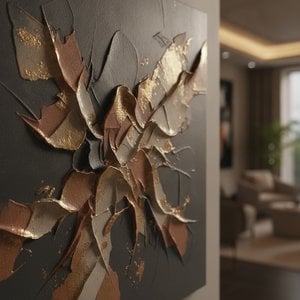
Elevate hospitality interiors with the sculptural depth of plaster and impasto art. Explore how tactile textures and relief techniques create immersive, luxurious environments for modern hotel design through expert curation and bespoke fine art commissions.


 分享
分享 分享
分享
 详情
详情 指南
指南

 下载
下载
 相似作品
相似作品 幻灯片播放
幻灯片播放 统计数据
统计数据 展开详情
展开详情






































 玻璃选项仅适用于110厘米以下的尺寸。


