
 Oil On CanvasWallArtImpressionism
 190819th Century
 84.0 x 99.0 cm
博物馆级艺术微喷或帆布版画,制作高效,并提供多种饰面选择。 ( 购买手绘画作 切换至数字图像销售渠道)





























从与原作比例一致的预设尺寸中进行选择。

您可以输入自定义尺寸,以适配特定的画框或空间。如果您选择的尺寸与原图比例不符,我们将对作品进行裁剪,或通过镜像填充/纯色填充边缘的方式来扩展图像。在开始制作之前,我们会向您发送一份数字效果图供您确认。
请注意,屏幕上的预览并不能反映实际的裁剪或扩展效果。只有效果图才能准确展示最终的构图。
虽然我们提供定制尺寸,但为了保持原图比例,我们建议您从预设列表中选择尺寸。

Luneberger Heide
复制品尺寸
In the quietude of 1908, Lovis Corinth captured a moment of profound stillness in his masterpiece, Luneberger Heide. This evocative landscape serves as a window into a world where the boundaries between earth, water, and sky dissolve into a singular, atmospheric experience. At first glance, the viewer is drawn to the commanding presence of a central tree, a sentinel of the German heath that anchors the composition with its rugged strength. Yet, as one lingers before the canvas, the true magic reveals itself in the subtle interplay of light and shadow. The painting does not merely depict a forest; it captures the very breath of the landscape, inviting the observer to step into a realm of soft, diffused light and muted natural tones that suggest a cool, overcast afternoon.
The technique employed by Corinth is a masterclass in late Impressionism, where the physical presence of the paint becomes as much a part of the story as the subject itself. Using oil on canvas, the artist utilized loose, visible brushstrokes that lend a tactile, rhythmic quality to the foliage and bark. This impasto-like texture creates a sense of movement within the stillness, as if the wind is perpetually rustling through the leaves. The perspective is intentionally flattened, eschewing rigid spatial accuracy in favor of an emotional depth. By focusing on the organic flow of branches and the hazy, amorphous shapes of the surrounding vegetation, Corinth achieves a dreamlike quality that prioritizes mood over meticulous detail, making the piece feel less like a photograph and more like a memory.
To understand Luneberger Heide, one must consider the pivotal role Lovis Corinth played in the evolution of modern art. As a bridge between the fleeting light of Impressionism and the raw, emotive power of Expressionism, Corinth’s work embodies a unique vitality. In this particular landscape, we see the remnants of his academic training blended with a burgeoning desire to express the internal spirit of nature. The color palette—a sophisticated arrangement of earthy greens, deep browns, and whispers of slate gray and blue—reflects a restrained elegance. There is no jarring brightness here; instead, there is a harmonious, subdued tonality that speaks to the resilience of the natural world.
Symbolically, the painting offers a profound meditation on continuity and solitude. The prominent tree stands as a symbol of endurance, rooted deeply in the soil while reaching toward an ephemeral sky, much like the human condition itself. The presence of water within the forest scene introduces an element of reflection, both literal and metaphorical, suggesting a sense of peace and eternal recurrence. For the collector or interior designer, this artwork offers more than mere decoration; it provides a focal point of tranquility. Its ability to evoke a feeling of peaceful solitude makes it an ideal centerpiece for spaces designed for contemplation, adding a layer of sophisticated, organic warmth to any curated environment.


1858 - 1925 , 荷兰

Embark on a visual journey through history's most iconic landscapes. Discover the mastery of Impressionism and the sublime power of nature through our expert guide to classical landscape art, curated for the discerning collector and fine art enthusiast.

Explore the ethereal beauty of Impressionist landscapes. Discover how masters like Monet captured fleeting light through color and texture, and learn to curate these timeless, luminous masterpieces for your home collection.

Discover the profound emotional depth of Post-Impressionist landscapes. Explore how masters like Van Gogh revolutionized art through vibrant color, textured impasto, and symbolic expression in this expert guide to the movement that redefined modern art history.
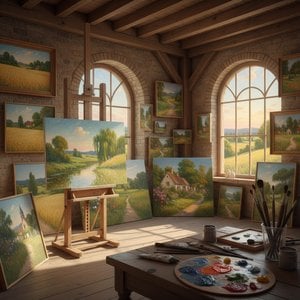
Discover the profound tranquility of rural art through an expert exploration of Impressionist landscapes. From pastoral scenes to textured oil masterpieces, learn how timeless nature-inspired artworks bring enduring elegance and serenity to sophisticated collectors.


 效果预览
效果预览
 分享
分享 分享
分享
 详情
详情 指南
指南

 下载
下载
 相似作品
相似作品 X射线
X射线 幻灯片播放
幻灯片播放 统计数据
统计数据 展开详情
展开详情









 玻璃选项仅适用于110厘米以下的尺寸。


