
 Oil On CanvasWallArtGerman Expressionism
 1904
1904 155.0 x 140.0 cm
 Hessisches Landesmuseum
由我们的艺术家按需定制,为您提供您所选尺寸及画框的布面手工油画。 ( 切换至版画销售渠道 切换至数字图像销售渠道)





























您可以从与原作比例一致的预设尺寸中进行选择。

请输入您需要的宽度和高度,以适配您的画框或墙面。由于作品为手工绘制,若您选择不同的尺寸比例,艺术家可能会在画面边缘多画一些或稍作裁剪 —— 由您决定。在开始绘画之前,我们会为您发送一份数字效果图供您确认。本页面上展示的图片并非最终实物 —— 只有效果图才能反映真实结果。
Der Harem
复刻品尺寸说明
Lovis Corinth's "Der Harem," painted in 1904, isn’t merely a depiction of women; it’s an invitation into a private world of connection and unspoken narratives. This oil on canvas, currently residing within the Hessisches Landesmuseum in Darmstadt, Germany, transcends simple representation to become a poignant exploration of female solidarity and the quiet beauty of shared experience. Corinth, a pivotal figure in German Expressionism, masterfully blends elements of realism with an intensely personal style, creating a work that continues to resonate with viewers over a century later.
The scene unfolds within what appears to be a dimly lit interior – though the precise location remains deliberately ambiguous. Several women are arranged in a loose circle, their postures ranging from relaxed repose to active engagement. One woman is notably positioned on the floor, her legs extended in an open gesture that simultaneously conveys vulnerability and a quiet confidence. Beside her kneels another, offering a sense of support and companionship. The remaining figures – standing and partially obscured – contribute to a dynamic composition that avoids rigid formality, suggesting a natural gathering rather than a posed tableau. A small cat nestled near the bottom right corner introduces an element of domesticity, subtly reinforcing the feeling of a shared space and intimate routine.
Corinth’s technique is immediately striking. He employs loose brushstrokes and a vibrant palette that leans heavily into Impressionistic influences, yet retains a distinctly Expressionist sensibility. The colors are not rendered with photographic accuracy but rather imbued with emotional weight. Deep blues and greens dominate the background, creating an atmosphere of subdued light and shadow, while warmer tones – ochres, reds, and yellows – highlight the figures themselves. Corinth’s use of broken color and layering creates a sense of depth and movement, drawing the viewer into the scene and encouraging them to linger on individual details.
The artist's handling of light is particularly noteworthy. It’s not uniformly distributed; instead, it pools in certain areas, illuminating faces and creating subtle gradations of tone. This masterful manipulation of light contributes significantly to the painting’s emotional impact, suggesting a world bathed in both intimacy and mystery.
While “Der Harem” resists easy interpretation, it's clear that Corinth is exploring themes of female connection and solidarity. The open posture of the woman on the floor has been interpreted as a symbol of vulnerability and openness, while her companion’s kneeling position suggests support and acceptance. The absence of overt narrative – no dialogue, no discernible action – allows viewers to project their own interpretations onto the scene. It's not a story being told; it’s a moment being captured, a feeling being conveyed.
The inclusion of the cat is often seen as a symbol of domesticity and comfort, further reinforcing the sense of a shared space and intimate connection. Corinth was known for his exploration of human relationships, particularly those involving women, and “Der Harem” stands as a testament to his ability to capture the complexities of female bonds with remarkable sensitivity.
“Der Harem” is more than just a beautiful painting; it’s a window into the soul of an artist grappling with profound questions about human connection and identity. Corinth's work, deeply rooted in his personal experiences – including a difficult childhood and a tragic love affair – resonates powerfully with viewers today. The Hessisches Landesmuseum provides a fitting home for this significant piece, ensuring that its emotional resonance continues to be shared with generations of art lovers. Reproductions of “Der Harem” offer an accessible way to experience the painting’s beauty and depth, bringing Corinth's evocative vision into homes and spaces around the world.


1858 - 1925 , 荷兰

Explore the captivating history of nude art! Discover iconic paintings & artists from classical to modern eras. Uncover symbolism, techniques & find museum-quality reproductions at WahooArt.
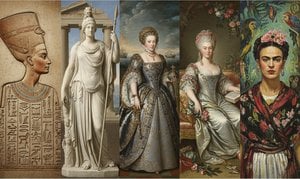
Explore the rich history of women in art – from iconic muses to groundbreaking artists. Discover feminist movements & reclaim female narratives with WahooArt. Expert insights for discerning collectors.

Explore the fascinating artistic journey of Lovis Corinth, a pivotal figure bridging Impressionism & Expressionism. Discover his evolution, key works, and lasting impact on modern art with WahooArt.

Explore the rich history of women in art – from iconic muses to groundbreaking artists. Discover feminist movements, global perspectives & reclaim female narratives with WahooArt.

Explore the rich history of women in art – from archetypal representations to contemporary voices challenging norms. Discover iconic artists & movements, and learn about reclaiming female narratives through painting and beyond.


 实景预览
实景预览
 发送
发送 分享
分享
 详情
详情 指南
指南

 下载图片
下载图片
 相似作品
相似作品 X射线
X射线 幻灯片播放
幻灯片播放 统计数据
统计数据 阅读全文
阅读全文









 玻璃选项仅适用于110厘米以下的尺寸。


