
博物馆级艺术微喷或帆布版画,制作高效,并提供多种饰面选择。 ( 购买手绘画作 切换至数字图像销售渠道)





























从与原作比例一致的预设尺寸中进行选择。

您可以输入自定义尺寸,以适配特定的画框或空间。如果您选择的尺寸与原图比例不符,我们将对作品进行裁剪,或通过镜像填充/纯色填充边缘的方式来扩展图像。在开始制作之前,我们会向您发送一份数字效果图供您确认。
请注意,屏幕上的预览并不能反映实际的裁剪或扩展效果。只有效果图才能准确展示最终的构图。
虽然我们提供定制尺寸,但为了保持原图比例,我们建议您从预设列表中选择尺寸。

The Musicians
复制品尺寸

In the tapestry of nineteenth-century French art, few threads are as intricately woven as those of Louis-Marie Baader. Born in 1828 in Lannion, Baader was a man of dual heritage, the son of a German musician and a Norman mother. This unique lineage gifted him a perspective that bridged the meticulous, disciplined precision often associated with Germanic tradition and the soulful, evocative spirit of the French provinces. His journey through the art world was not merely a pursuit of technique, and yet, his early years in Paris, shaped by the prestigious École des Beaux-Arts under the guidance of Adolphe Yvon, provided him with the academic rigor necessary to command the grandest of canvases.
Baader’s artistic evolution was a fascinating odyssey through different modes of storytelling. While his training prepared him for the monumental demands of history painting, his heart often wandered toward the intimate and the regional. He possessed a rare ability to transition from the epic scale of military narratives to the tender, quiet moments of Breton life. This versatility allowed him to capture both the thunder of Napoleonic warfare and the soft, domestic warmth of a rural afternoon, making him a chronicler of both the nation's triumphs and its most humble traditions.
The brilliance of Baader’s work lies in his capacity to imbue historical events with profound human emotion. He did not merely document battles; he sought to render the psychological weight of conflict. His dedication to research was unparalleled, as he meticulously studied the costumes, weaponry, and landscapes of past eras to ensure his military paintings possessed an undeniable authenticity. This commitment earned him significant recognition within the prestigious Paris Salon, where he exhibited regularly from 1857 until 1914.
His achievements were marked by prestigious accolades that opened doors to state patronage:
Through his brush, the textures of heavy fabrics, the glint of steel, and the soft light filtering through a rustic window all converge to create a sensory experience. Whether he was painting an elaborate Rococo interior or a rugged landscape, Baader’s technique remained anchored in a deep respect for detail and a profound understanding of composition.
As his career progressed, Baader’s focus shifted through various stages—from portraits and religious commissions to the sweeping historical scenes that defined his middle period, eventually returning to the intimate genre works that celebrated the enduring spirit of Brittany. This cyclical movement through different themes reflects an artist who was never content to remain static, but rather one who constantly sought new ways to connect with the human condition.
Louis-Marie Baader passed away in 1920 in Morlaix, leaving behind a legacy that serves as a vital link between the academic traditions of the past and the burgeoning regionalism of the late nineteenth century. His works remain more than mere historical records; they are windows into a vanished world, preserved through his masterful command of color and light. Today, collectors and art enthusiasts continue to find profound beauty in his ability to bridge the gap between the epic and the everyday, ensuring that the stories of both heroes and peasants live on through his enduring artistry.

1828 - 1920
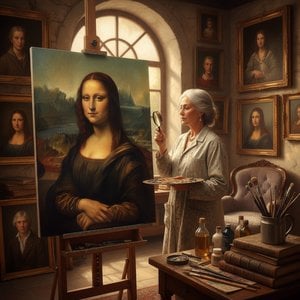
Discover the unparalleled elegance of WahooArt’s premium hand-painted oil reproductions. From bespoke portraits to museum-quality masterpieces, our expert artists transform visions into timeless legacies with 100% satisfaction guaranteed. Elevate your collection with true artistry.

Discover the profound beauty of Romantic Realism. Explore how 19th-century masters blended exquisite technical detail with deep emotional narratives, from poignant genre scenes to breathtaking landscapes, and learn to bring this timeless artistry into your personal collection.


 效果预览
效果预览
 分享
分享 分享
分享
 详情
详情 指南
指南

 下载
下载
 相似作品
相似作品 X射线
X射线 幻灯片播放
幻灯片播放 统计数据
统计数据
 展开详情
展开详情









 玻璃选项仅适用于110厘米以下的尺寸。


