
博物馆级艺术微喷或帆布版画,制作高效,并提供多种饰面选择。 ( 购买手绘画作 切换至数字图像销售渠道)





























从与原作比例一致的预设尺寸中进行选择。

您可以输入自定义尺寸,以适配特定的画框或空间。如果您选择的尺寸与原图比例不符,我们将对作品进行裁剪,或通过镜像填充/纯色填充边缘的方式来扩展图像。在开始制作之前,我们会向您发送一份数字效果图供您确认。
请注意,屏幕上的预览并不能反映实际的裁剪或扩展效果。只有效果图才能准确展示最终的构图。
虽然我们提供定制尺寸,但为了保持原图比例,我们建议您从预设列表中选择尺寸。

Cleopatra and Octavian
复制品尺寸
In the sweeping canvas of Louis Gauffier’s Cleopatra and Octavian, we are transported to a moment of profound historical tension and unparalleled opulence. Painted in 1788, on the precipice of the French Revolution, this masterpiece captures the legendary Queen of the Nile in a gesture of both diplomacy and allure. Cleopatra sits regally upon an ornate couch, her hand outstretched as if offering a silent negotiation or a fateful greeting to the rising Roman power, Octavian. The scene is not merely a portrait of two figures, but a meticulously choreographed tableau of ancient grandeur, where every element—from the delicate placement of the vases to the distant, watchful statue—serves to reinforce the weight of destiny unfolding within this palatial chamber.
Gauffier, a painter deeply influenced by his classical training and his time in Rome, employs a technique that breathes life into the stillness of history. The composition is masterfully balanced, guiding the viewer's eye through an assembly of figures that populate the room with a sense of lived-in majesty. The artist utilizes a soft yet precise light to illuminate the textures of the scene: the smooth surfaces of the ceramic vases, the heavy drapery of the furniture, and the regal poise of Cleopatra herself. This mastery of light and shadow creates a depth that invites the observer to step into the room, feeling the very atmosphere of an era where the fate of empires was decided through subtle glances and calculated movements.
Beyond its surface beauty, the painting is rich with symbolic resonance. The presence of various figures in states of repose and alertness suggests a court filled with intrigue, where every character plays a role in the political drama of the late Ptolemaic period. The ornate room, adorned with classical motifs and carefully placed artifacts, acts as a silent witness to the collision of two worlds: the decadent, sophisticated culture of Egypt and the disciplined, expanding might of Rome. For the discerning collector or interior designer, this piece offers more than just visual splendor; it provides a narrative anchor, a conversation starter that speaks to themes of power, legacy, and the inevitable passage of time.
The emotional impact of Cleopatra and Octavian lies in its ability to evoke a sense of nostalgic longing for the classical past. There is a palpable tension held within the stillness—a breath caught before a storm. This quality makes the artwork an exceptional choice for sophisticated interiors, particularly those seeking to introduce a sense of historical gravity and timeless elegance. Whether placed in a grand library or a formal dining hall, a high-quality reproduction of this work brings with it the prestige of the 18th-century Neoclassical movement, transforming a space into a sanctuary of culture and profound historical reflection.

路易·高菲耶(Louis Gauffier)的一生,宛如一幅由古典宏伟与动荡现实交织而成的凄美织锦。1762年,他出生于法国宁静的普瓦捷,早年岁月在德高望重的历史画家于格·塔拉瓦(Hugues Taraval)的悉心教导下,度过了对卓越艺术的严苛追求。在巴黎接受的这段奠基性训练,使他内心深处植入了对古典构图的敬畏以及对细节近乎偏执的敏锐观察——正是这些美德,让他日后既能驾驭圣经叙事的宏大史诗,亦能捕捉人类面部表情中那细微的情感波动。他的艺术之路起步极快;1779年,凭借极具感染力的作品《基督与迦南妇人》荣获享有盛名的罗马奖(Prix de Rome),这为他开启了前往意大利的旅程,而这一变动也彻底改变了他灵魂与画笔的轨迹。
当他融入罗马那充满活力的艺术氛围时,高菲耶发现自己正处于古典文明与现代气息的交汇点。博学多才的收藏家托马斯·霍普(Thomas Hope)等人物的影响,将他的艺术视野从单纯对过去的模仿中拓展出来。通过这些艺术邂逅,高菲诞的作品开始吸收古董装饰的质感与古典纹样的优雅。然而,法国大革命的狂风带来了令人胆寒的不安。路易十六的处决以及随之而来的政治震荡,迫使高菲耶陷入了流亡生活。为了躲避巴黎日益升级的紧张局势,他与才华横溢的画家妻子保琳·沙蒂隆(Pauline Chatillon)前往佛罗伦萨寻求庇护。这段流离失所的岁月虽然充满了个人命运的不确定性,却成为了锻造他最持久艺术风格的熔炉。
在阳光普照的托斯卡纳风景中,高菲耶找到了一个政治动荡无法触及的圣所。由于被贴上了保皇党的标签,他失去了传统的法国赞助,于是转而从宏大且往往极具挑战性的历史画领域,转向自然界那宁静而永恒的美。这种转变不仅是一种生存策略,更是一次艺术上的进化。他开始创作出能与穿梭于欧洲大陆的英国游客产生深度共鸣的风景画,捕捉到了意大利乡村那空灵的光影与田园式的宁静。他的画布仿佛成为了通往和平世界的窗口,其特点是对色彩的大师级掌控,以及一种让人联想起伟大画家克劳德·洛兰(Claude Lorrain)般的明亮感。
他在意大利的晚年展现出了一种迷人的风格双重性。虽然他的风景画为拿破仑时代带来的混乱提供了喘息之机,但1799年法国军队进入佛罗伦萨,促使他通过肖像画重新回归人体表现。他成为了一名备受追捧的军官肖像画家,捕捉到了驻扎在意大利的军人们所展现出的军事优雅与微妙的心理深度。这一时期的作品展示了其卓越的多变性:
尽管高菲耶的一生在1801年的利沃诺戛然而止,但他留下的遗产却超越了对动荡时代的单纯记录。他是新古典主义艺术链条中至关重要的一环,代表了18世纪末法国正式的学院派传统与意大利传统中那种浪漫化、充满光感的风景画之间的桥梁。他能够在流离失所中寻找美——将流亡的无奈转化为风格重生的契机——这本身就是对创造精神韧性的有力证明。时至今日,他的作品依然作为消失世界的无声见证者,邀请现代观众去体验那份曾指引他在托斯卡纳平原挥洒画笔的惊叹与宁静。

1762 - 1801 , 法国

Explore the refined world of Neoclassical portraiture. Discover the mastery of line, light, and order through an expert exploration of academic art history, from Jacques-Louis David to Jean-Antoine Houdon. Immerse yourself in the timeless elegance of classical realism.
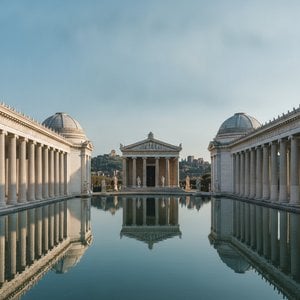
Discover the profound elegance of Neoclassicism. Explore how the pursuit of order, symmetry, and Greco-Roman ideals created a timeless aesthetic for collectors seeking grandeur and intellectual depth in fine art and architecture.

Explore the profound elegance of Neoclassical art. Discover the principles of order, symmetry, and virtue through the works of masters like David and Mengs. Immerse yourself in a journey of classical grace and timeless aesthetic perfection.


 效果预览
效果预览
 分享
分享 分享
分享
 详情
详情 指南
指南

 下载
下载
 相似作品
相似作品 X射线
X射线 幻灯片播放
幻灯片播放 统计数据
统计数据


 展开详情
展开详情









 玻璃选项仅适用于110厘米以下的尺寸。


