Acrylic On CanvasWallArtEarly Renaissance
 1396
1396 463.0 x 480.0 cm
 卢浮宫
卢浮宫由我们的艺术家按需定制,为您提供您所选尺寸及画框的布面手工油画。 ( 切换至版画销售渠道 切换至数字图像销售渠道)





























从与原作比例一致的预设尺寸中进行选择。

您可以输入自定义尺寸,以适配特定的画框或空间。如果所选尺寸与原图比例不符,我们将通过裁剪作品或添加手绘元素来扩展画面。数字样稿将在制作开始前发送给您确认。
请注意,屏幕预览无法准确反映实际的裁剪或扩展效果,只有样稿才能真实呈现最终的构图。
虽然我们提供定制尺寸服务,但为了保留原作比例,建议您从预设列表中选择尺寸。

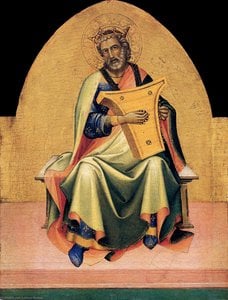
Antiphonary (Cod. Cor. 1, folio 3)
复制品尺寸
Lorenzo Monaco’s “Antiphonary (Cod. Cor. 1, folio 3),” painted in 1396, is more than just a religious depiction; it’s a poignant distillation of the spiritual life and artistic evolution occurring at the cusp of the Renaissance. Born Piero di Giovanni around 1370 in Siena, Monaco's journey was marked by a profound shift from the vibrant, narrative-driven style of the Trecento to a more introspective and emotionally resonant approach deeply rooted in his monastic vows. This painting, housed within the Biblioteca Medicea Laurenziana in Florence, offers a rare glimpse into the mind of an artist wrestling with faith, mortality, and the burgeoning humanist ideals that would soon reshape European art.
The scene itself is deceptively simple yet powerfully evocative. At its heart lies the deposition of Christ – Jesus being gently lowered into his tomb by two figures, their gestures conveying a mixture of sorrow and reverence. The composition isn’t dominated by grand scale or heroic poses; instead, Monaco masterfully utilizes a carefully orchestrated arrangement of human forms to draw the viewer into this intimate moment of grief. Note the deliberate positioning of the supporting figures – one on the left, another on the right, and three clustered in the central area – each contributing to the overall sense of solemnity and communal mourning. The red garments worn by these individuals, a common symbol of religious authority and sacrifice, further emphasize the gravity of the event.
Monaco's technical skill is immediately apparent in his masterful use of color and light. The palette is restrained yet luminous, dominated by deep blues, ochres, and reds – colors traditionally associated with piety and mourning. He employs a technique known as *sfumato*, subtly blurring the outlines and softening transitions between forms, creating an atmosphere of hazy reverence. This approach, reminiscent of Giotto but with a distinctly more controlled sensibility, allows the figures to emerge from the background, drawing our attention to their emotional states rather than imposing them upon us through dramatic poses. The gold leaf accents, particularly around the tomb itself, not only enhance the painting’s visual richness but also symbolize divine presence and the sacredness of the event.
Beyond the literal depiction of Christ’s burial, “Antiphonary” is rich in symbolic meaning. The act of deposition itself represents sacrifice, humility, and redemption – core tenets of Christian theology. The figures surrounding the tomb are not merely witnesses; they embody the human response to suffering and loss. Their postures and expressions convey a spectrum of emotions: grief, compassion, and perhaps even a glimmer of hope. The very presence of an antiphonary—a book containing liturgical chants—suggests the painting’s intended purpose: to inspire devotion and facilitate prayer. Monaco's decision to portray this pivotal event within a monastic setting underscores the profound influence of his spiritual life on his artistic vision.
“Antiphonary (Cod. Cor. 1, folio 3)” stands as a crucial bridge between the Gothic and Renaissance periods. While retaining elements of the Trecento’s narrative clarity, Monaco introduces a greater emphasis on psychological realism and emotional depth – hallmarks of the emerging Renaissance style. This painting offers a powerful testament to the enduring power of faith, the complexities of human emotion, and the transformative potential of artistic vision. WahooArt is proud to offer meticulously crafted reproductions that allow you to experience the beauty and profound meaning of this remarkable work firsthand, bringing Lorenzo Monaco’s contemplative masterpiece into your home or studio.


1370 - 1425 , 意大利

Embark on a scholarly journey through the spiritual grandeur of Late Medieval art. Discover the intricate symbolism, technical mastery, and profound religious narratives that define the Gothic era in this expert-led guide for art enthusiasts and collectors.

Embark on a visual journey through Early Medieval art. Explore the profound beauty of illuminated manuscripts, sacred symbols, and golden light through an expert historical lens, celebrating the enduring legacy of medieval craftsmanship and divine artistry.

Embark on a scholarly journey through the golden era of Byzantine art. Discover the profound symbolism, masterful mosaics, and imperial grandeur that defined an epoch of spiritual and aesthetic splendor in this expert-led guide for art enthusiasts.
Explore the divine mastery of Byzantine gold leaf and gilding. Discover how ancient artisans used gold ground and mosaics to create celestial light, a timeless legacy of spiritual splendor and technical excellence in sacred art history.

Embark on a scholarly journey through the sacred beauty of High Medieval art. Discover the profound symbolism, luminous iconography, and spiritual depth of Gothic masterpieces in this expert guide for classical art enthusiasts.


 效果预览
效果预览
 分享
分享 分享
分享
 详情
详情

 下载
下载
 相似作品
相似作品 X射线
X射线 幻灯片播放
幻灯片播放 统计数据
统计数据 展开详情
展开详情









 玻璃选项仅适用于110厘米以下的尺寸。