
 TemperaInternational Gothic
 1396
1396 340.0 x 378.0 cm
 梵蒂冈宗图书馆
博物馆级艺术微喷或帆布版画,制作高效,并提供多种饰面选择。 ( 购买手绘画作 切换至数字图像销售渠道)





























从与原作比例一致的预设尺寸中进行选择。

您可以输入自定义尺寸,以适配特定的画框或空间。如果您选择的尺寸与原图比例不符,我们将对作品进行裁剪,或通过镜像填充/纯色填充边缘的方式来扩展图像。在开始制作之前,我们会向您发送一份数字效果图供您确认。
请注意,屏幕上的预览并不能反映实际的裁剪或扩展效果。只有效果图才能准确展示最终的构图。
虽然我们提供定制尺寸,但为了保持原图比例,我们建议您从预设列表中选择尺寸。

Antiphonary (Cod. Cor. 1, folio 111v)
复制品尺寸
Within the hallowed halls of the Biblioteca Laurenziana in Florence resides a fragment of extraordinary beauty – a page from Lorenzo Monaco's Antiphonary, dating back to 1396. More than just a liturgical manuscript illumination, this piece offers a profound glimpse into the artistic and spiritual world of late medieval Italy, revealing the quiet intensity and contemplative nature of a Camaldolese monk’s vision. It is a testament to a time when art served not merely as decoration but as a conduit for faith, meticulously crafted with tempera and gold on parchment – materials that themselves speak volumes about the piece's value and enduring quality.
The image itself depicts a scene of profound significance: Pentecost. Monaco masterfully captures the moment when the Holy Spirit descends upon the apostles, transforming them into witnesses to Christ’s resurrection. The composition is remarkably balanced, despite the dense grouping of figures within the oval initial. A carefully constructed architectural setting – a simple house with an open doorway – provides a grounding element, while the vibrant colors—a rich palette dominated by reds, blues, and golds—create a luminous atmosphere that seems to radiate divine light. Notice particularly the subtle use of perspective; though not adhering to the emerging principles of linear perspective, Monaco skillfully employs atmospheric shading and spatial relationships to create a sense of depth and realism within the confines of the illuminated initial.
Lorenzo Monaco's identity as a monk profoundly shaped his artistic practice. Born Piero di Giovanni around 1370 in Siena, he entered the Camaldolese order at Santa Maria degli Angeli and dedicated his life to prayer and illumination. This monastic commitment instilled within him a distinctive style characterized by a restrained palette, elongated figures, and a profound sense of introspection. Unlike the more flamboyant styles prevalent during the period, Monaco’s work possesses a quiet dignity and emotional restraint—a reflection of the contemplative life he led.
His artistic journey began under the tutelage of masters like Giotto, Spinello Aretino, and Agnolo Gaddi in Florence. However, it was his embrace of monasticism that truly defined him as “Lorenzo Monaco,” or “Lawrence the Monk.” This dedication to a life of contemplation profoundly influenced the character of his work, imbuing it with an introspective quality rarely found in secular art of the time. He wasn’t simply replicating religious scenes; he was translating spiritual experience into visual form, creating images that resonated with a deep sense of faith and humility.
The Antiphonary page is replete with symbolic details that enrich its meaning. The figures themselves—the Virgin Mary, the apostles, and the two onlookers—represent key elements of Christian theology and narrative. The presence of Matthias, chosen to replace Judas, subtly underscores themes of redemption and forgiveness. The architectural setting, a humble dwelling, symbolizes the arrival of grace in an ordinary space. The birds scattered throughout the scene are often interpreted as symbols of the Holy Spirit, further emphasizing the central event depicted.
Beyond these specific symbols, the entire page exudes a sense of spiritual resonance. The muted colors and elongated figures create a dreamlike atmosphere, inviting viewers to contemplate the mysteries of faith. The careful attention to detail—from the folds of the drapery to the expressions on the faces—demonstrates Monaco’s mastery of his craft and his deep understanding of the subject matter. It's not merely a depiction of an event; it is an invitation into a sacred space, a moment of quiet contemplation within the heart of faith.
Lorenzo Monaco’s Antiphonary page stands as a remarkable example of monastic art—a testament to the enduring power of faith and beauty. Its creation reflects the artistic priorities of the Camaldolese order, where illumination was not simply an embellishment but a vital component of liturgical worship. The piece's survival through centuries speaks to its quality and significance, offering us a rare glimpse into the creative spirit of a dedicated monk-artist who sought to capture the essence of faith in his art.


1370 - 1425 , 意大利
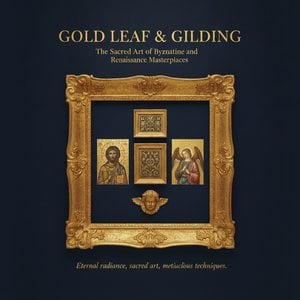
Explore the divine mastery of Byzantine gold leaf and gilding. Discover how ancient artisans used gold ground and mosaics to create celestial light, a timeless legacy of spiritual splendor and technical excellence in sacred art history.

Embark on a scholarly journey through the sacred beauty of High Medieval art. Discover the profound symbolism, luminous iconography, and spiritual depth of Gothic masterpieces in this expert guide for classical art enthusiasts.

Embark on a visual journey through the world's most radiant masterpieces. Discover how gold leaf, impasto textures, and gilded tones define luxury in fine art, from Byzantine icons to modern abstracts. Explore the eternal allure of gold in curated, museum-quality art collections.

Embark on a visual journey through Early Medieval art. Explore the profound beauty of illuminated manuscripts, sacred symbols, and golden light through an expert historical lens, celebrating the enduring legacy of medieval craftsmanship and divine artistry.


 效果预览
效果预览
 分享
分享 分享
分享
 详情
详情

 下载
下载
 相似作品
相似作品 X射线
X射线 幻灯片播放
幻灯片播放 统计数据
统计数据 展开详情
展开详情









 玻璃选项仅适用于110厘米以下的尺寸。


