
博物馆级艺术微喷或帆布版画,制作高效,并提供多种饰面选择。 ( 订购此收藏品的纯手工复刻画作 切换至数字图像销售渠道)





























您可以从与原作比例一致的预设尺寸中进行选择。

您可以输入自定义尺寸,以适配特定的画框或空间。如果您选择的尺寸与原图比例不符,我们将对作品进行裁剪,或通过镜像填充/纯色填充边缘的方式来扩展图像。在开始制作之前,我们会向您发送一份数字效果图供您确认。
请注意,屏幕上的预览并不能反映实际的裁剪或扩展效果。只有效果图才能准确展示最终的构图。
虽然我们提供定制尺寸,但为了保持原图比例,我们建议您从预设列表中选择尺寸。

Atlantic Codex (Codex Atlanticus), f. 1058 verso.
复刻品尺寸说明
Leonardo da Vinci's Atlantic Codex, specifically folio 1058 verso, is not merely a drawing; it’s a portal into the mind of a singular genius – a meticulously crafted microcosm reflecting his boundless curiosity and relentless pursuit of knowledge. This remarkable page, housed within the Biblioteca Ambrosiana in Milan, offers an unparalleled glimpse into the workings of one of history's most profound thinkers. The image itself is deceptively complex: a dense tangle of lines, symbols, and text rendered in delicate pen and ink upon aged parchment. It’s a visual symphony of observation, invention, and intellectual exploration, demanding careful study to unlock its layered meanings.
At first glance, the page presents a series of interconnected studies – anatomical sketches interwoven with fantastical machines, navigational instruments alongside cryptic symbols, and observations of nature juxtaposed with speculative designs for flight. The upper portion reveals a detailed study of a potential naval weapon: a formidable platform bristling with sixteen cannons, designed to dominate the surrounding waters. Below this, we encounter intricate drawings of measuring devices – tools for charting distances across land and sea, suggesting Leonardo’s fascination with both practical utility and precise measurement. The presence of mirrored writing on the right page further hints at the complexity of his thought process, a technique he employed to aid memory and stimulate creative thinking.
The Atlantic Codex wasn’t simply a sketchbook; it functioned as Leonardo's personal laboratory, a repository for ideas spanning an astonishing range of disciplines. Within this single folio, we witness nascent concepts related to aerodynamics – evidenced by preliminary sketches of wings and mechanisms for flight – alongside detailed anatomical studies, reflecting his unwavering commitment to understanding the human body. The page also contains observations on optics, perspective, and even rudimentary designs for a parachute, showcasing Leonardo’s relentless experimentation and his constant questioning of established knowledge. The sheer breadth of these investigations underscores his status as a true Renaissance polymath.
Interestingly, the Codex was assembled not by Leonardo himself but by Pompeo Leoni, a Milanese sculptor who meticulously gathered Leonardo's scattered papers after his death. Leoni’s organizational efforts resulted in two distinct volumes: one focused on technical and scientific drawings, and another dedicated to anatomical and artistic subjects. This process of compilation highlights the immense volume of Leonardo’s work – approximately 1119 pages – and underscores the extraordinary legacy he left behind.
Beyond its immediate visual content, folio 1058 verso is rich in symbolic language. The recurring motif of flight, represented through various mechanical designs, speaks to Leonardo’s lifelong obsession with unlocking the secrets of aerial navigation. The use of geometric patterns and precise measurements reflects his deep understanding of mathematics and engineering principles. Even the mirrored writing itself can be interpreted as a symbol of intellectual duality – representing both observation and reflection, logic and intuition.
Furthermore, the page’s overall composition suggests a deliberate attempt to connect disparate fields of knowledge. Leonardo wasn't simply documenting individual inventions; he was exploring the underlying principles that governed the natural world and sought to apply them to practical problems. The juxtaposition of anatomical studies with mechanical designs reveals his belief in the interconnectedness of all things – a core tenet of Renaissance humanism.
WahooArt offers meticulously crafted, hand-painted reproductions of Leonardo da Vinci’s Atlantic Codex, allowing you to bring this extraordinary work of art into your home or studio. Our skilled artisans replicate the intricate details, subtle nuances, and atmospheric depth of the original with unparalleled precision. Each reproduction is created using archival-quality materials, ensuring its longevity and preserving the beauty of Leonardo’s vision for generations to come.
Whether you are an art collector, a design enthusiast, or simply someone captivated by the genius of Leonardo da Vinci, a WahooArt reproduction of folio 1058 verso offers a unique opportunity to connect with one of history's most influential figures. It’s more than just a print; it’s a tangible reminder of the boundless potential of human curiosity and creativity.

列奥纳多·迪·谢罗·皮耶罗·达·芬奇(Leonardo di ser Piero da Vinci),1452 年出生于托斯卡纳地区文奇附近的安奇亚诺村,是文艺复兴时期最广为人知的代表人物之一——一位真正的博学者,其无尽的好奇心推动他跨越多个学科领域,在艺术、科学和工程学方面留下了不可磨灭的印记。他的名字本身已成为天才的代名词,证明了他非凡的天赋和远见卓识。列奥纳多是公证员皮耶罗·达·芬奇和农民卡特里娜所生的私生子,他早年的生活虽然不寻常,却也让他接触到了现实世界以及对自然的欣赏,这些都深刻地影响了他的艺术视野。他接受了基本的读写算术教育,但真正点燃了他创造性火花的是佛罗伦萨安德烈亚·德尔·维罗基奥(Andrea del Verrocchio)的学徒生涯。在维罗基奥的工作室里,列奥纳多不仅仅是在学习绘画或雕塑;他沉浸在一个充满技术技能的世界中,精通金属加工、木工、素描以及艺术创作的复杂性——这为他构建多元化的天才奠定了基础。即使在这个形成时期,就已流传着关于他非凡天赋的传闻,据说维罗基奥本人在目睹列奥纳多的卓越能力后,便放弃了绘画。
1482 年,列奥纳多开启了新篇章,进入米兰公爵路易斯·斯福尔扎(Ludovico Sforza)的效力。这不仅仅是一份艺术任命;列奥纳多担任军事工程师、建筑师、雕塑家和设计师,充分展现了他的多样技能。他构思了创新的防御工事,设计了华丽的舞台布景,甚至还绘制了奇幻机器的设计图。然而,正是在这一时期,他开始创作其最具标志性的杰作之一:《最后的晚餐》。这幅作品以壁画的形式在米兰圣玛利亚德尔格拉齐亚修道院的食堂中呈现,它超越了单纯的表现,是对人类情感和心理戏剧的深刻探索,捕捉了基督宣告背叛的那一刻。构图创新,运用透视技术精湛,将对西方艺术产生深远影响。尽管他在米兰时期完成了许多雕塑项目,但列奥纳多的发明精神仍在不断发展,为未来的科学探索奠定了基础。
1499 年法军入侵米兰后,列奥纳多返回了艺术发展的巅峰——佛罗伦萨。尽管在此期间他完成的作品较少,但其影响却十分巨大。正是在这里,他开始创作出被公认为世界上最著名的画作之一:《蒙娜丽莎》(La Gioconda)。画中人物神秘的微笑和迷人的眼神几代人以来一直吸引着观众,而列奥纳多革命性的晕染法(sfumato)——通过微妙地混合光线和阴影来创造朦胧的轮廓和大气透视——极大地增强了这幅画作的空灵感。这一时期也见证了他对人体解剖学的研究不断精进,源于他对理解人体的科学精确性的坚定追求。他解剖尸体,以一系列令人难以置信地详细的图稿记录肌肉、骨骼和器官,这些图稿比当时的技术先进了几个世纪。
列奥纳多的后期岁月在佛罗伦萨、米兰和罗马之间穿梭,他一直备受追捧,但往往未能完成项目——这或许反映了他不安分的智慧以及兴趣领域的广阔。1516 年,他应法国国王弗朗索瓦一世的邀请前往安布瓦斯附近的克鲁塞城堡生活和工作,在那里度过了他的最后岁月。他在右半身瘫痪的情况下去世于 1519 年,留下了广泛的遗产,远远超出了艺术领域。他的笔记本揭示了在解剖学、光学、水力学、地质学和制图学方面开创性的工作——并构思了比当时先进几个世纪的发明,包括飞行器、坦克和先进武器。列奥纳多·达·芬奇对艺术史的影响是不可估量的。他提升了艺术家从熟练工匠到知识分子的地位,证明了艺术创作可以通过科学探究和对自然世界深刻理解来获得信息。他的画作以其现实主义、心理深度和创新技术而闻名。他仍然是人类好奇心、创造力和不懈追求知识的象征——一位真正体现文艺复兴精神的人物,几个世纪后,人们依然为之惊叹并充满敬佩。
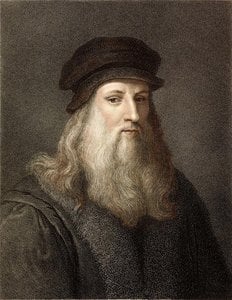
1452 - 1519 , 意大利
Explore the profound elegance of pencil and charcoal sketching. Discover how masters use line, shadow, and chiaroscuro to capture light and texture, bridging the gap between preparatory studies and timeless fine art masterpieces.

Elevate your artistic practice with this expert guide to mastering the line. Discover advanced techniques in graphite, charcoal, and contour drawing designed for art students seeking technical precision and expressive depth in their fine art studies.

Explore the profound genius of Leonardo, Michelangelo, and Raphael. An authoritative deep dive into the High Renaissance masters, analyzing their unique techniques, humanistic vision, and enduring influence on the world of fine art collecting.

Explore the profound beauty of the sketch. Discover how masters use charcoal and graphite to capture raw emotion, anatomical precision, and fluid movement, bridging the gap between ephemeral marks and eternal oil masterpieces.

Explore the profound artistry of graphite drawing. Discover professional techniques for mastering depth, texture, and detail through a lens of art history, from classical sketches to modern masterpieces. Elevate your understanding of the pencil medium with our expert guide.


 实景预览
实景预览
 发送
发送 分享
分享
 详情
详情 指南
指南

 下载图片
下载图片
 相似作品
相似作品 X射线
X射线 幻灯片播放
幻灯片播放 统计数据
统计数据

 阅读全文
阅读全文









 玻璃选项仅适用于110厘米以下的尺寸。


