
 WatercolorWallArt
 1971Modern
 37.0 x 49.0 cm
 Leo Baeck Institute
博物馆级艺术微喷或帆布版画,制作高效,并提供多种饰面选择。 ( 购买手绘画作 切换至数字图像销售渠道)





























从与原作比例一致的预设尺寸中进行选择。

您可以输入自定义尺寸,以适配特定的画框或空间。如果您选择的尺寸与原图比例不符,我们将对作品进行裁剪,或通过镜像填充/纯色填充边缘的方式来扩展图像。在开始制作之前,我们会向您发送一份数字效果图供您确认。
请注意,屏幕上的预览并不能反映实际的裁剪或扩展效果。只有效果图才能准确展示最终的构图。
虽然我们提供定制尺寸,但为了保持原图比例,我们建议您从预设列表中选择尺寸。

Young Persian Mother
复制品尺寸
In the quiet intimacy of Young Persian Mother, created in 1971, we are invited into a moment of profound human connection that transcends borders and eras. The painting captures a serene tableau of maternal devotion, featuring a woman cradling her infant amidst a communal setting. As she sits upon the earth, her presence is anchored by the soft drape of a headscarf, a detail that provides an evocative window into the cultural landscape of the scene. Around her, the subtle presence of others—figures seated or standing in the periphery—suggests a shared community life, where the boundaries between individual experience and collective existence blur into a single, harmonious atmosphere.
The composition is masterfully balanced, utilizing small, grounded details to enrich the narrative depth. The inclusion of two bottles, placed thoughtfully near the center and the right side of the frame, serves as more than mere still-life elements; they ground the scene in the reality of daily life, suggesting a moment of respite or a shared meal within this social gathering. Through her delicate handling of light and form, Schneider-Kainer imbues the canvas with a warmth that radiates from the central bond between mother and child, making the viewer feel less like an observer and more like a silent participant in this peaceful afternoon.
To truly appreciate the emotional resonance of this work, one must consider the remarkable life of its creator, Lene Schneider-Kainer. A Jewish-Austrian artist born into the vibrant artistic circles of Vienna, her life was a tapestry of movement and resilience. Having studied in the great art capitals of Munich, Amsterdam, and Berlin, she developed a sophisticated technical vocabulary that allowed her to document her extensive travels with unparalleled sensitivity. This painting, produced toward the end of her long and storied life, reflects a lifetime of observing the beauty in cultural encounters and the universal language of human emotion.
Schneider-Kainer’s ability to capture the essence of "the other" without falling into mere exoticism is what makes this piece so enduring. Her work often explored themes of travel and cultural intersection, and in Young Persian Mother, she achieves a sublime balance between specific cultural identity and universal maternal instinct. For collectors and interior designers alike, this artwork offers more than just visual beauty; it provides a soulful narrative piece that brings a sense of worldly wisdom and quiet tranquility to any curated space.
For those seeking to adorn a home or gallery with art that speaks to the heart, this reproduction serves as a magnificent centerpiece. The soft palette and the gentle, flowing lines characteristic of Schneider-Kainer’s later style make it an ideal choice for spaces designed for reflection and calm. Whether placed in a sunlit reading nook or as a focal point in a sophisticated living area, the painting invites conversation about heritage, motherhood, and the enduring strength of the human spirit.
Owning a piece that captures such a delicate balance of historical weight and aesthetic grace is a rare opportunity. This work stands as a testament to the power of art to preserve moments of tenderness against the backdrop of a changing world, offering a timeless window into a moment of pure, unadulterated love.

莉内·施耐德-凯纳不仅仅是世界的观察者,她更是那些转瞬即逝而又极尽美丽的瞬间的记录者。1885年,她出生于维也纳著名画家西格蒙德·施耐德(Sigmund Schneider)家,她的生命从一开始就浸润在世纪末奥地利那浓郁且充满智慧的艺术氛围之中。早年的岁月里,她接受了严谨的艺术教育,足迹遍布欧洲重要的文化枢纽——维也纳、慕尼黑、阿姆斯特丹和柏林。这种多元化的训练使她磨炼出一种多变的技法,能够从水彩画那细腻且半透明的层次感,无缝切换到油画更为厚重且富有表现力的笔触之中。1917年,随着她在柏林古利特画廊(Galerie Gurlitt)举办个人首展,她正式步入了国际艺术舞台的聚光灯下,不仅确立了自己作为绘画传统继承者的地位,更作为一个独立的、强大的创造力象征而崭露头角。
20世纪20年代标志着她个人与职业生涯深度扩张的时期。在与定居慕尼黑的艺术家路德维希·凯纳(Ludwig Kainer)结婚后,莉内进入了欧洲知识精英的核心圈层,与阿诺德·勋伯格(Arnold Schönberg)和埃尔莎·拉斯卡-弗雷舍尔(Else Lasker-ƒSchƖler)等艺术巨匠并肩而行。正是在这个时代,她真正找到了自己作为叙事者的声音。她的作品往往在感官与深邃之间游走,尤其是在她那享誉盛名的《名妓对话》(Hetärengespräche)插画集中。通过这些作品,她捕捉到了人类情感连接中细微的波动与含蓄的情欲,利用线条与色彩为文学主题注入了生命力。她的才华并不局限于画布;她还成长为一名成熟的时尚设计师,证明了她的美学视野能够超越纯艺术的边界,延伸至生活的实践领域。
施耐德-凯纳生命中最令人屏息的篇章或许始于1926年。受《柏林日报》(Berliner Tageblatt)委托,她开启了一场非凡的新闻与艺术远征,旨在重走马可·波罗的传奇路线。她与诗人伯恩哈德·凯勒曼(Bernhard Kellermann)一同穿越了中东与亚洲广袤的疆域,途经伊朗、拉达克、印度、泰国、越南和中国。这不仅仅是一次休闲之旅,更是一场记录使命。随着她在这些多元文化中的穿行,她的写生簿成为了东方灵魂的宝库。她捕捉到了摩洛哥村庄那鲜艳夺目的色彩,波斯母亲身上那宁静而庄严的气质,以及高阿特拉斯山脉生活中那份沉静而强烈的生命力。
这一时期的作品犹如一本感人至深的视觉日记,记录了一个处于巨大历史变革边缘的世界。尽管她的许多摄影记录不幸随时间流逝而湮灭,但她的水彩画与素描却作为她旅程的永恒见证者留存了下来。这些作品拥有一种独特的、民族志式的亲密感;它们不仅是在描绘异域风景,更试图捕捉她所邂逅的生活中的温暖、集体精神以及细腻的质感。在这些作品中,我们看到一位艺术家正运用画笔,在欧洲熟悉的舒适感与东方那充满异国情调、往往令人震撼的美丽之间架起一座桥梁。
然而,20世纪是一个动荡不安的时代。作为一名犹太裔奥地利艺术家,施耐德-凯纳的生活因纳粹主义的崛起而遭受了不可挽回的破碎。随着她被迫经历一系列定义其晚年生活的迁徙,她在欧洲生活的稳定性彻底瓦解。在马略卡岛和伊比萨岛短暂定居后,她最终不得不逃离西班牙内战不断升级的恐怖,前往纽约寻求庇护。在繁华的美国社会,她展现了惊人的适应能力,再次转型并成功地成为了一名儿童读物插画家,证明了即便身处流亡,她那令观众着迷的能力也从未减损。
她生命的终章发生在远离维也纳喧嚣街道或丝绸之路神秘小径的地方。1954年,她移居玻利维亚的科恰班巴,并以埃琳娜·埃莱斯卡(Elena Eleska)之名生活。即便是在这段相对隐遁的时期,她勤勉工作的精神依然延续,她曾协助儿子建立了一家纺织厂。1971年她去世时,留下了一部足以见证人类韧性的艺术遗产。她的作品集是一幅文化碰撞的马赛克,是一组拒绝被战争与流亡浪潮抹去的记忆集合。凝视一幅施耐德-凯纳的画作,便是见证一段睁开双眼、全情投入的生活——她捕捉到了那个在她脚下不断变迁的世界中,那转瞬即逝的美丽。

1885 - 1971 , 奥地利
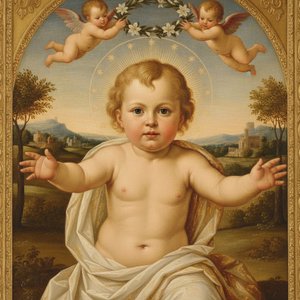
Explore the profound beauty of Baby Jesus in fine art history. From Raphael's Renaissance masterpieces to symbolic light, discover how classical painters captured divine innocence through masterful technique and sacred iconography.


 效果预览
效果预览
 分享
分享 分享
分享
 详情
详情 指南
指南

 下载
下载
 相似作品
相似作品 X射线
X射线 幻灯片播放
幻灯片播放 统计数据
统计数据 展开详情
展开详情









 玻璃选项仅适用于110厘米以下的尺寸。


