
由我们的艺术家按需定制,为您提供您所选尺寸及画框的布面手工油画。 ( 切换至版画销售渠道 切换至数字图像销售渠道)





























您可以从与原作比例一致的预设尺寸中进行选择。

您可以输入自定义尺寸,以适配特定的画框或空间。如果所选尺寸与原图比例不符,我们将通过裁剪作品或添加手绘元素来扩展画面。数字样稿将在制作开始前发送给您确认。
请注意,屏幕预览无法准确反映实际的裁剪或扩展效果,只有样稿才能真实呈现最终的构图。
虽然我们提供定制尺寸服务,但为了保留原作比例,建议您从预设列表中选择尺寸。

Untitled\n\nUntitled
复刻品尺寸说明
In the quiet, monochromatic depths of László Moholy-Nagy’s 1939 masterpiece, “Untitled,” one finds a profound dialogue between order and energy. This work is not merely an arrangement of shapes; it is a rhythmic composition that captures the very heartbeat of the Constructivist movement. At its core, the painting presents a commanding central circle, a celestial focal point around which smaller, orbiting forms dance in a delicate, cosmic ballet. A bold diagonal line slices through the canvas, acting as a dynamic catalyst that disrupts any sense of static stillness, injecting a surge of kinetic vitality into the composition. This interplay of intersecting lines and concentric circles creates a sense of spatial ambiguity, inviting the viewer to lose themselves in a world where gravity is replaced by pure geometric logic.
The brilliance of this piece lies in its chromatic minimalism. By eschewing the distraction of vibrant color, Moholy-Nagy directs our gaze toward the subtle nuances of light, shadow, and texture. The palette is a sophisticated study in grayscale, where varying shades of black, white, and silver create a sense of depth and atmospheric weight. This monochromatic approach allows the structural elements—the sharp edges of the lines and the soft curves of the circles—to resonate with greater clarity. For the discerning collector or interior designer, this restraint offers an unparalleled versatility; the artwork possesses a timeless elegance that can anchor a modern minimalist gallery or provide a sophisticated, intellectual focal point within a contemporary living space.
To understand “Untitled,” one must look to the radical spirit of the Bauhaus school, where Moholy-Nagy served as a pivotal figure. This artwork embodies the era's revolutionary pursuit of integrating fine art with industrial design and technological progress. The painting reflects a period when artists sought to strip away the ornamental excesses of the past to find truth in fundamental forms. Every line and shape feels intentional, echoing the precision of an architect or the clarity of a typographer. There is an inherent sense of industrial optimism within these shapes—a belief that through rational organization and geometric harmony, one could reflect the structured beauty of the modern, machine-driven age.
Beyond its historical significance, the emotional impact of the work is deeply evocative. While the subject matter is purely abstract, it stirs a sense of profound equilibrium and cosmic order. The repetition of circular motifs can be seen as a symbol of continuity and the cyclical nature of existence, while the intersecting lines suggest the complex connections that bind our world together. For those seeking to bring a piece of art history into their homes, this reproduction offers more than just decoration; it provides an invitation to contemplate the intersection of human intellect and mathematical beauty. It is a work that does not demand attention through noise, but commands it through a silent, powerful, and enduring grace.
拉斯洛·莫霍利-纳吉(László Moholy-Nagy)是一位具有深远影响力的匈牙利画家、摄影师、雕塑家及设计师。他最为人所熟知的是对包豪斯学校的卓越贡献,以及他在构成主义、字体设计、摄影和动力艺术领域的开创性探索。他的艺术哲学核心在于将技术与工业融入艺术之中,倡导一种拥抱现代世界的全新创造力视野。

1895 - 1946 , 匈牙利

Journey through Wassily Kandinsky's 25 most iconic abstract paintings. Explore his revolutionary use of color, form & spiritual expressionism. Find museum-quality Kandinsky reproductions and elevate your home decor with WahooArt.com. Discover all masterpieces on WahooArt.com!
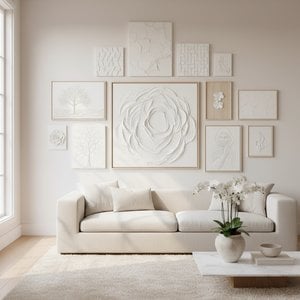
Explore 10 iconic white paintings by Monet, Whistler & Rothko! Discover the stories behind these serene masterpieces and their impact on art history. Find museum-quality reproductions for your home decor at .

探索卡济米尔·马列维奇25幅至上主义杰作!深入了解抽象艺术的起源、黑色正方形背后的故事,以及如何用现代艺术提升您的家居装饰。WahooArt.com提供博物馆级艺术复制品,点亮您的空间。立即在线探索完整系列!

Explore 10 iconic paintings dominated by black tones, from Rembrandt’s chiaroscuro to Goya's dark expressions. Discover the stories behind these masterpieces & find museum-quality art reproductions for your home at .

探索抽象表现主义的十幅经典杰作!波洛克、罗斯科等大师作品,揭秘艺术史上的重要瞬间。WahooArt.com为您呈现高品质艺术品复制和精选家居装饰方案,感受现代艺术的力量与魅力。立即浏览全系列!


 实景预览
实景预览
 发送
发送 分享
分享
 详情
详情 指南
指南

 下载图片
下载图片
 相似作品
相似作品 X射线
X射线 幻灯片播放
幻灯片播放 统计数据
统计数据


 阅读全文
阅读全文









 玻璃选项仅适用于110厘米以下的尺寸。


