
 InkWallArtOther
 Early Modern
 72.0 x 130.0 cm
 Seokdang Museum of Dong-A University
博物馆级艺术微喷或帆布版画,制作高效,并提供多种饰面选择。 ( 购买手绘画作 切换至数字图像销售渠道)





























从与原作比例一致的预设尺寸中进行选择。

您可以输入自定义尺寸,以适配特定的画框或空间。如果您选择的尺寸与原图比例不符,我们将对作品进行裁剪,或通过镜像填充/纯色填充边缘的方式来扩展图像。在开始制作之前,我们会向您发送一份数字效果图供您确认。
请注意,屏幕上的预览并不能反映实际的裁剪或扩展效果。只有效果图才能准确展示最终的构图。
虽然我们提供定制尺寸,但为了保持原图比例,我们建议您从预设列表中选择尺寸。

Pine tree and tiger painting
复制品尺寸
In the quiet depths of the Korean wilderness, where the ancient pine trees stand as silent sentinels, a powerful presence emerges from the shadows. The Pine Tree and Tiger Painting is a breathtaking masterwork that captures a moment of raw, natural tension. This monochrome ink painting presents a scene of profound vitality, depicting tigers navigating a rugged landscape with an elegance that transcends mere representation. One tiger is captured in a dynamic, leaping posture, its head raised as if sensing a change in the wind, while another rests with a calm, grounded dignity beneath the sheltering branches. The composition, oriented vertically, draws the eye upward through the stylized foliage, creating a sense of soaring height and deep, atmospheric space that invites the viewer into a world of mythic significance.
The artistry of this piece lies in its masterful use of Shuibanjing, or traditional ink wash technique. Through the delicate application of black ink on rice paper, the artist achieves a remarkable range of textures and tones. The brushwork is both loose and intentional; while some strokes capture the spontaneous essence of the natural world, others are meticulously applied to simulate the coarse, bristling texture of tiger fur and the rugged bark of the pine trees. This interplay between spontaneity and precision creates a tactile quality that makes the subjects feel almost tangible. The lighting is soft and diffused, eschewing harsh shadows for a somber, contemplative mood that emphasizes the spiritual weight of the subject matter rather than mere physical realism.
Beyond its visual splendor, this painting serves as a profound vessel for cultural symbolism. In Korean tradition, the tiger is far more than a predator; it is a symbol of power, protection, and good fortune. The way the tigers interact with the pine trees—symbols of longevity and steadfastness—creates a harmonious dialogue between strength and endurance. As the eye wanders across the composition, one might notice subtle, stylized patterns along the tiger's spine, reminiscent of leopard spots, which hint at the transition from the realistic traditions of masters like Kim Hong-do toward the more decorative, folk-art styles of later eras. This piece stands at a fascinating historical crossroads, blending the disciplined realism of the Joseon Dynasty with the burgeoning expressive freedom of Minhwa.
For the discerning collector or interior designer, this artwork offers an unparalleled opportunity to bring a sense of historical depth and tranquil strength into a modern space. A high-quality reproduction of this painting does more than decorate a wall; it introduces a narrative of resilience and natural grace. Whether placed in a minimalist contemporary setting to provide a focal point of organic texture or within a classic study to evoke the scholarly traditions of old Korea, the Pine Tree and Tiger Painting commands attention through its quiet intensity. It is an invitation to pause, to breathe, and to reconnect with the timeless, untamed spirit of the natural world.


1745 - 1806 , 韩国
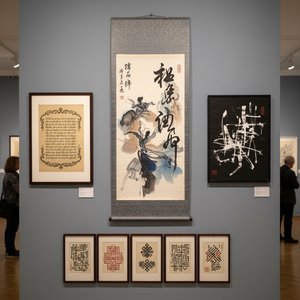
Explore the profound beauty of calligraphy art. From the fluid running script of Chinese masters to historical ink masterpieces, discover how the elegance of line transforms spaces with timeless grace and scholarly sophistication.
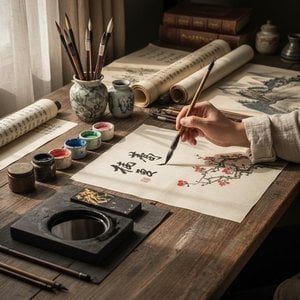
Embark on a sophisticated exploration of ink wash painting and Sumi-e. Uncover the profound historical lineages, Zen philosophies, and technical mastery behind this timeless medium in our authoritative guide for fine art enthusiasts.

Embark on a scholarly journey through the alchemy of lithography. This definitive guide offers collectors profound insights into the chemical mastery of stone and ink, the medium's historical legacy, and essential expertise for acquiring rare, museum-quality prints with absolute confidence.

Embark on a profound journey through the soul of Chinese calligraphy. Explore the historical mastery of ink, brush, and script, from ancient Zhuanshu to elegant running script, and discover how this timeless art form reflects the enduring spirit of classical East Asian aesthetics.


 效果预览
效果预览
 分享
分享 分享
分享
 详情
详情 指南
指南

 下载
下载
 相似作品
相似作品 X射线
X射线 幻灯片播放
幻灯片播放 统计数据
统计数据 展开详情
展开详情









 玻璃选项仅适用于110厘米以下的尺寸。


