
博物馆级艺术微喷或帆布版画,制作高效,并提供多种饰面选择。 ( 订购此收藏品的纯手工复刻画作 切换至数字图像销售渠道)





























您可以从与原作比例一致的预设尺寸中进行选择。

请输入您所需的宽度和高度,以适配您的画框或墙面。由于印刷品只能进行裁剪,无法超出原图尺寸,因此若比例不一致,画面的一部分将会被裁切。在正式印刷之前,我们会为您发送一份数字效果图供您确认。本页面显示的图片并非最终裁剪后的效果——只有效果图才能展示真实的裁剪情况。
Slience=Death
复刻品尺寸说明
Keith Haring’s “Slience=Death,” painted in 1989, isn't merely an image; it’s a visceral cry against indifference—a potent emblem born from the heart of the AIDS epidemic. This arresting black-and-pink painting, now meticulously reproduced, transcends its origins to become a timeless statement on social responsibility and the urgent need for awareness. Haring, already a rising star in New York's vibrant street art scene, channeled his artistic energy into confronting a crisis that was tragically silencing an entire generation. The work’s genesis lies within the ACT UP movement – the AIDS Coalition to Unleash Power – a group dedicated to demanding action and challenging governmental apathy surrounding the burgeoning disease.
The composition itself is immediately striking. A dominant pink triangle, instantly recognizable as a symbol of LGBTQ+ pride reclaimed from its Nazi origins, dominates the canvas. This isn’t simply a decorative element; it represents the marginalized community bearing the brunt of the crisis. Beneath this powerful shape, a chaotic yet carefully orchestrated scene unfolds: figures in various postures – standing, lying down, and even crawling – are rendered in Haring's signature bold black lines. These aren’t realistic portraits but stylized representations of individuals grappling with fear, uncertainty, and ultimately, silence. The inclusion of the “Radiant Babies,” recurring motifs in Haring’s work, adds a layer of poignant vulnerability, suggesting the future threatened by inaction.
Haring’s genius lay in his ability to distill complex emotions and social issues into universally understood symbols. The pink triangle, as previously used to identify homosexuals during the Holocaust, was deliberately repurposed here, transforming from a mark of oppression into a beacon of resilience and solidarity. The crawling “radiant babies” are particularly significant; they represent the children at risk, highlighting the devastating impact of AIDS on families and future generations. The figures themselves aren’t static; they're engaged in a silent dialogue, conveying a sense of collective anxiety and shared experience. Haring masterfully employed repetition and simplified forms to create an image that is both immediate and deeply affecting.
The choice of black as the primary color isn’t arbitrary. It represents the darkness of ignorance, denial, and the systemic failures that exacerbated the AIDS crisis. The stark contrast against the vibrant pink amplifies the emotional impact, forcing the viewer to confront the uncomfortable reality of the situation. Haring's deliberate use of line – thick, confident strokes defining each figure – contributes to the painting’s dynamic energy, mirroring the urgency and passion of the ACT UP movement.
“Slience=Death” emerged during a pivotal moment in art history—a time when artists were increasingly using their platforms to address social and political issues. Keith Haring’s work, often rooted in street art aesthetics, brought these concerns directly to the public consciousness. His willingness to engage with difficult subjects like AIDS, racism, and police brutality established him as a powerful voice for marginalized communities. The painting's immediate success helped raise awareness about the disease and fueled activism within the LGBTQ+ community.
Beyond its historical significance, “Slience=Death” continues to resonate today. It serves as a potent reminder of the importance of empathy, compassion, and collective action in the face of injustice. The work’s enduring appeal lies not only in Haring's distinctive artistic style but also in its timeless message—a plea for silence to be broken and for humanity to confront uncomfortable truths. Reproductions of this powerful artwork offer a tangible connection to this critical moment in history, allowing viewers to engage with Haring’s vision and contribute to the ongoing conversation about social responsibility.
Reproductions of “Slience=Death” are available through reputable art reproduction specialists like WahooArt.com, ensuring high-quality prints that faithfully capture the original's impact. When selecting a reproduction, consider factors such as archival quality and printing method to ensure longevity and color accuracy. The vibrant pink and bold black lines of Haring’s work demand careful attention to detail in the reproduction process – a skilled printer will be able to accurately convey the painting’s dynamic energy and emotional depth.
Whether displayed in a private residence or incorporated into a public space, “Slience=Death” remains a compelling testament to Keith Haring's artistic legacy and his unwavering commitment to social justice. It is more than just an image; it’s a call to action—a reminder that silence can be as destructive as any force and that art has the power to ignite change.
基思·哈林 的《Slience=Death》 已进入 仍受版权保护。版权保护期自艺术家逝世之日起计算,该艺术家于 1990 年逝世。
“Slience=Death”的色彩饱和度为Balanced。饱和度描述了色彩呈现的浓郁程度。
基思·哈林 的《Slience=Death》创作于1989年,属于Pop Art流派。
基思·艾伦·哈林,这个名字与二十世纪八十年代充满活力的纽约市脉搏密不可分,他远不止是一位艺术家;他是一个文化现象。他于1958年5月4日出生在宾夕法尼亚州的里丁,他的艺术之旅并非始于学术训练的正式框架内,而是诞生于童年想象力那片充满玩味的画卷之中。受到华特·迪士尼和《绿野仙踪》博士(Dr. Seuss)奇思妙想的卡通作品,以及查尔斯·舒尔茨经典漫画的影响,年轻的基思培养出了一双敏锐的视觉叙事之眼。他的父亲阿兰·哈林本人也是一位业余漫画家,培育了这份早期的热情,无意中为一种革命性的艺术声音奠定了基础。这段成长期让哈林深爱于粗犷的线条、简化的形态以及触手可及的故事——这些特质最终定义了他的标志性风格。他在匹兹堡伊维专业艺术学校短暂的经历让他感到受限;他渴望直接、个人的表达,受到罗伯特·亨利《艺术精神》的启发,踏上了一条自我发现的道路,决心开创属于自己的视觉语言。
在七十年代末搬到纽约市是决定性的转折点。这座城市的下城区艺术场景是一个创造力的熔炉,哈林迅速沉浸其中,结交了肯尼·沙夫和让-米歇尔·巴斯奎特等艺术家。然而,他并不满足于将自己的作品局限于画廊或工作室。相反,他将艺术直接带到了人民身边,利用纽约地铁站那些未被占用的广告面板作为他的画布。哈林用白色的粉笔在黑色的哑光纸上,创造出不间断的动态人物和符号——吠叫的狗、发光的婴儿、跳舞的身影——这些作品深深吸引了通勤者,并将平凡的日常瞬间转化成了艺术相遇的时刻。“地铁涂鸦”并非破坏行为;它们是献给公众的礼物,是生命与能量自发的流露。这一大胆的举动使他成为新兴街头艺术运动中独特的声音,绕过了传统的守门人,直接与观众建立了联系。正是在这里,哈林真正开始发展出其标志性的视觉词汇,这种词汇的特点是易于理解、充满乐观精神以及深层的社会评论。发光的婴儿,也许是他最知名的母题,正是在这个时期出现的——它是纯真、纯洁和生命珍贵性的象征。
随着哈林在八十年代的声名鹊起,他对将艺术作为社会变革载体的承诺也日益坚定。他的作品越来越多地关注了当时紧迫的问题——艾滋病疫情、药物滥用、种族不平等和政治压迫。他在哈莱姆一个手球场上绘制的醒目壁画《裂缝是错的》(Crack is Wack)(1986年),成为了城市与街头毒品危机抗争的标志性象征。在艾滋病疫情的高峰期,他设计了倡导安全性行为的海报,利用其充满活力的图像传递至关重要的公共卫生信息。他的行动主义超越了国界;他在1985年创作了一幅《自由南非》海报,并在1986年绘制了柏林墙的一部分——这是对分裂和压迫发出的强有力宣言。哈林与安迪·沃霍尔的交往进一步巩固了他在艺术界的地位,促成了“安迪老鼠”等合作作品的诞生,这些作品是对流行文化和名人效应一种既俏皮又深刻的评论。他深知艺术拥有超越界限、激发对话和鼓舞行动的力量。
尽管他在31岁时于1990年2月16日因艾滋病相关并发症过早离世,基思·哈林的遗产至今仍在回响。他的作品不仅因其美学吸引力而受到赞颂,更因其对社会正义和人道联结坚定不移的承诺而备受推崇。位于日本北斗的中村基思·哈林收藏馆,证明了其全球影响力,收藏着他大量的图画、绘画和雕塑作品。世界各地的博物馆展示着他的壁画和艺术品,确保了他的信息能够传达到新一代人手中。他的《蓝图速写》,以其引人注目的黑白坠落人物描绘,完美地展现了他通过简单形式传达复杂情感的能力。哈林的风格影响可以从当代街头艺术、平面设计和流行文化中看到。他证明了艺术可以是既易于接受又深刻的,既俏皮又充满政治张力的。
他证明了,一支饱含意图和激情的单根线条,足以改变世界。他的作品仍然是一个强有力的提醒,提醒我们必须将创造力作为一股向善的力量,激励艺术家和活动家们勇敢地对权力说出真相,并为更公正、更平等的未来而倡导。探索哈林的世界,能让人更深刻地理解他的愿景;像基思·哈林基金会(haring.com)这样的资源,提供了他作品的丰富档案以及对其艺术过程的洞察。他的遗产不只是一组图像的集合,它更是一份邀请函,邀请我们去接触周围的世界,质疑既有的假设,并将艺术拥抱为变革的催化剂。

1958 - 1990 , 美国
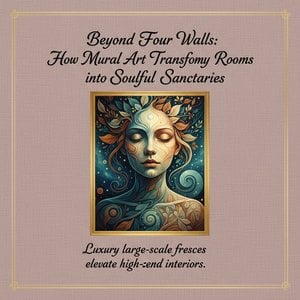
Discover how bespoke mural art transforms empty spaces into soulful sanctuaries. Explore the luxury of large-scale architectural frescoes, geometric abstractions, and custom oil paintings designed to elevate high-end interiors with unparalleled artistry and emotional depth.

Elevate your hospitality projects with our expert trend forecast on luxury murals. From biophilic botanical jungles to opulent gold leaf geometry, discover how bespoke large-scale wall art and custom frescoes can transform hotel interiors into unforgettable architectural statements.


 实景预览
实景预览
 发送
发送 分享
分享
 详情
详情 指南
指南

 下载图片
下载图片
 相似作品
相似作品 X射线
X射线 幻灯片播放
幻灯片播放 统计数据
统计数据


 阅读全文
阅读全文









 玻璃选项仅适用于110厘米以下的尺寸。


