
由我们的艺术家按需定制,为您提供您所选尺寸及画框的布面手工油画。 ( 切换至版画销售渠道 切换至数字图像销售渠道)





























从与原作比例一致的预设尺寸中进行选择。

您可以输入自定义尺寸,以适配特定的画框或空间。如果所选尺寸与原图比例不符,我们将通过裁剪作品或添加手绘元素来扩展画面。数字样稿将在制作开始前发送给您确认。
请注意,屏幕预览无法准确反映实际的裁剪或扩展效果,只有样稿才能真实呈现最终的构图。
虽然我们提供定制尺寸服务,但为了保留原作比例,建议您从预设列表中选择尺寸。

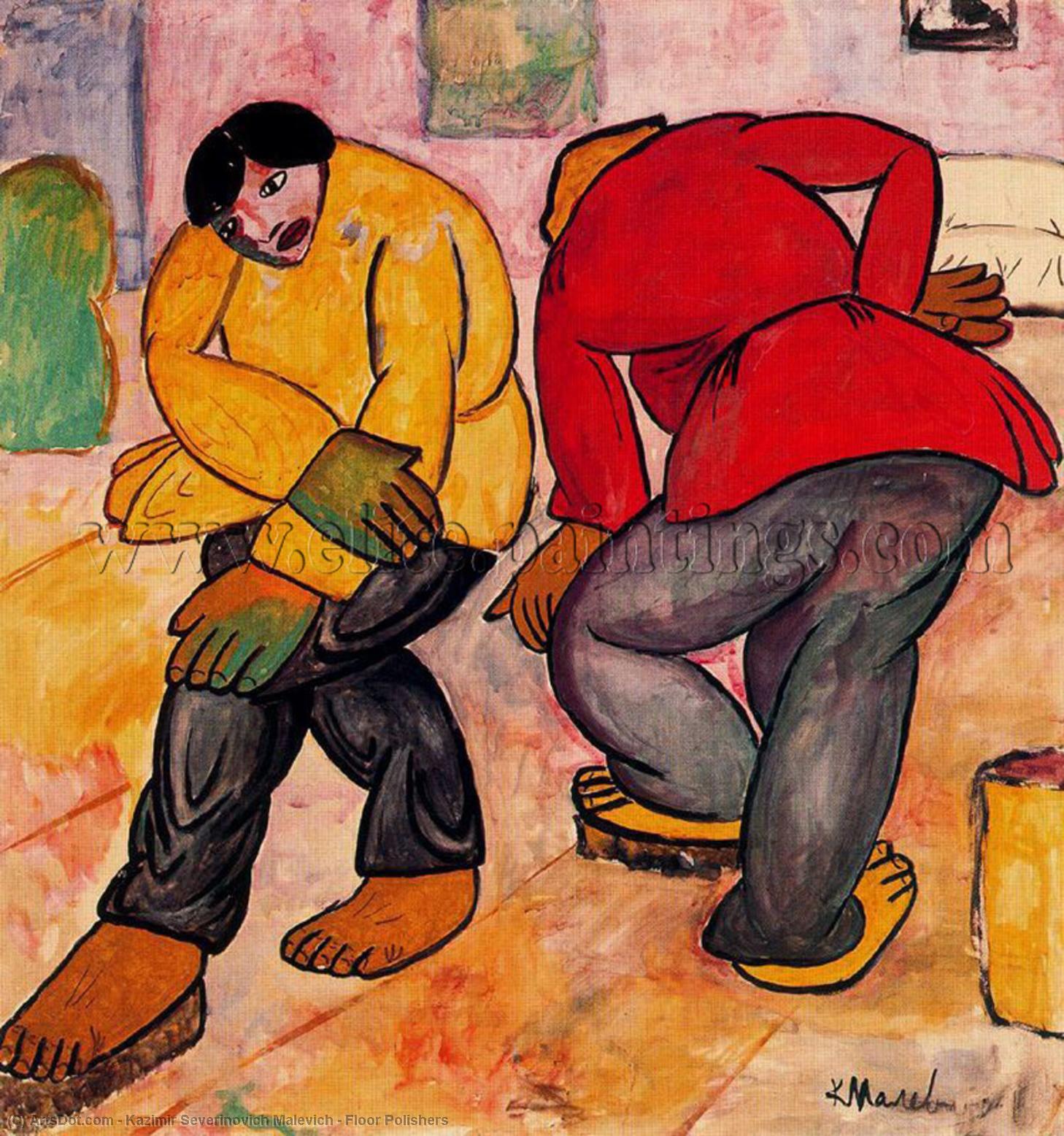
Floor Polishers
复制品尺寸
Kazimir Severinovich Malevich’s “Floor Polishers,” completed in 1912, stands as a cornerstone of Cubism and an emblem of the artistic fervor that characterized the early 20th century. At WahooArt.com, we recognize its enduring significance not merely as a visual spectacle but as a profound exploration of form, color, and perception—a testament to Malevich’s pioneering spirit.
Artist Background: Kazimir Malevich (1878-1935) was more than just a painter; he was a theorist who fundamentally reshaped the landscape of modern art. Driven by an unwavering conviction in abstraction, he rejected representational imagery altogether, advocating for pure geometric forms as the ultimate expression of artistic truth. His influence extends far beyond Cubism, shaping subsequent movements and inspiring generations of artists.
The Painting’s Composition: “Floor Polishers” depicts two figures diligently polishing a floor—a seemingly mundane activity elevated to monumental proportions through Malevich's distinctive stylistic choices. The scene pulsates with energy thanks to the bold color palette dominated by yellows and reds, juxtaposed against muted browns representing the floor surface. Geometric shapes – triangles, circles, and rectangles – dominate the composition, fracturing space and challenging conventional perspective. This deliberate fragmentation isn’t simply decorative; it symbolizes Malevich's desire to liberate art from illusionistic representation.
Key Features: Several elements contribute to the artwork’s impact. Firstly, the Cubist technique—characterized by multiple viewpoints simultaneously presented—forces the viewer to actively engage with the image and reconsider their understanding of reality. Secondly, Malevich's masterful use of color creates a dynamic interplay between hues, conveying emotion and emphasizing visual rhythm. The meticulous application of gouache on paper lends texture to the surface, enhancing the sense of physicality and immediacy.
Historical Context & Symbolism: Created during the height of Cubist experimentation, “Floor Polishers” reflects the broader intellectual currents of its time—a rejection of academic conventions in favor of radical innovation. Malevich’s aim was to distill art down to its essential elements, stripping away superfluous details and focusing on pure geometric abstraction. The repetition of shapes – particularly triangles – can be interpreted as representing stability and order amidst chaos, mirroring the artist's philosophical quest for universal harmony.
Where to Explore Further: For a deeper understanding of Cubism’s influence and Malevich’s broader artistic vision, visit /art/list/?Filter=A@D3C62K-Top-5-Famous-Cubism-Paintings-of-All-Time. You can also discover other captivating works by Kazimir Severinovich Malevich at /art/list/?Filter=kazimir+severinovich+malevich,kazimir,severinovich,malevich&. Don’t miss the Albertina Museum in Vienna, Austria, where masterpieces of Cubist art—including pieces by Picasso and Macke—await your discovery: /art/list/?Filter=pablo+picasso,pablo,pi


1878 - 1935 , 乌克兰

Explore the profound spiritual depth of geometric abstraction. From Malevich's Suprematism to modern masters, our expert guide reveals how pure form and color command presence in fine art collections.

Explore the radical world of Kazimir Malevich. Our expert guide for art collectors decodes Suprematism’s geometric revolution, offering profound insights into the spiritual and aesthetic mastery of one of history's most influential abstract pioneers.

 效果预览
效果预览
 分享
分享 分享
分享
 详情
详情

 下载
下载
 相似作品
相似作品 X射线
X射线 幻灯片播放
幻灯片播放 统计数据
统计数据

 展开详情
展开详情









 玻璃选项仅适用于110厘米以下的尺寸。


