
 Mixed MaterialsSculptureContemporary Realism
 2018Contemporary
 61.0 x 60.0 cm
 邮递员雪瓦的理想宫
博物馆级艺术微喷或帆布版画,制作高效,并提供多种饰面选择。 ( 订购此收藏品的纯手工复刻画作 切换至数字图像销售渠道)
您可以从与原作比例一致的预设尺寸中进行选择。

请输入您所需的宽度和高度,以适配您的画框或墙面。由于印刷品只能进行裁剪,无法超出原图尺寸,因此若比例不一致,画面的一部分将会被裁切。在正式印刷之前,我们会为您发送一份数字效果图供您确认。本页面显示的图片并非最终裁剪后的效果——只有效果图才能展示真实的裁剪情况。
Trance
复刻品尺寸说明
Kate McCgwire's "Trance" is more than just a decorative piece; it’s an immersive experience rendered in meticulously arranged feathers. This captivating artwork, created in 2018, speaks to the primal allure of natural materials – specifically, the mesmerizing quality of feathers themselves. McCgwire’s process is profoundly labor-intensive, reflecting a deep respect for the source material and demanding a patience that translates directly into the work's hypnotic effect. The artist painstakingly assembles millions of feathers, sourced from both natural origins—including those utilized in pigeon racing—and specialist suppliers, transforming them into an intricate spiral design reminiscent of scales or swirling nebulae. This dedication to detail elevates “Trance” beyond simple decoration, establishing it as a testament to the power of slow art and deliberate creation.
McCgwire’s work is deeply rooted in symbolism, drawing upon a rich tapestry of cultural references. Feathers have long held significance across numerous societies – from ancient Egyptian rituals to the courtship displays of birds. In “Trance,” they function as both jewelry and a visual representation of these primal instincts. The spiral form itself can be interpreted as a dreamcatcher, a device intended to filter out negative energies and capture positive visions. Furthermore, the softness associated with nests and angel wings adds another layer of meaning, suggesting themes of protection, innocence, and transformation. McCgwire’s background in sculptural techniques honed at prestigious institutions like the Royal College of Art informs her ability to imbue these seemingly simple materials with profound symbolic weight.
"Trance" possesses a captivating serenity that draws the viewer into its intricate depths. The swirling patterns, combined with the tactile quality of the feathers, create a sense of meditative calm. This artwork represents a significant contribution to contemporary sculpture, demonstrating a unique approach to material exploration and conceptual storytelling. McCgwire’s work is not just about creating beautiful objects; it's about provoking thought, stimulating emotion, and inviting viewers to contemplate the interconnectedness between nature, human experience, and artistic expression. Its placement on a wall suggests an installation piece, designed to be a focal point within a space, commanding attention and inspiring contemplation.
Size:** 61 x 60 cm Date:** 2018 Artist:** Kate McCgwire"Trance" 拥有专属的 统计数据 页面。该页面通过国家和语言维度的细分,展示了该作品及艺术家其他作品的每月访问量趋势图。
"Trance" 代表了 Kate McCgwire 的 Mature Period 时期。
Kate McCgwire 的《Trance》 展示了一种 Strong Color Unity 的色彩和谐感。

In the quiet, rhythmic labor of Kate McCgwire’s studio—a Dutch barge moored on the Thames at Platt's Eyot—a profound transformation occurs. Here, the sculptor breathes life into the fragile and the discarded, turning millions of individual feathers into sweeping, monumental installations that command the space they inhabit. Born in 1964 in Wroxham, Norfolk, McCgwire’s early years spent amidst the textures of a boatyard provided a foundational connection to organic materials and the beauty of structural form. Her journey through some of the United Kingdom's most prestigious institutions, including Manchester Polytechnic, the Surrey Institute of Art & Design, University College London, and the Royal College of An, equipped her with a rigorous technical mastery that serves as the backbone for her conceptual explorations.
McCgwire’s work is far more than a display of decorative intricacy; it is a deep investigation into the dualities of existence. Through her meticulous use of feathers—sourced from both the natural world and specialist pigeon racing associations—she explores themes of movement, transformation, and the subconscious. Her sculptures often evoke a sense of fluid motion, where static objects appear to swirl like nebulae or ripple like the scales of a mythical creature. This tension between the weight of the installation and the perceived lightness of the medium creates a hypnotic effect, drawing viewers into a state of trance, much like her celebrated 2018 artwork of the same name.
The creation of a McCgwire piece is an exercise in extreme devotion. Eschewing the rapid pace of contemporary production, she embraces a process that is profoundly labor-intensive, involving the painstaking placement of individual feathers using glue to build complex, layered surfaces. This method allows her to manipulate texture with the precision of a painter applying strokes of color to a canvas. By arranging these delicate elements in spiraling patterns or dense, overlapping layers, she achieves a sculptural depth that plays with light and shadow, revealing subtle shifts in sheen and hue.
Her technical repertoire extends beyond feathers to include more unconventional materials, reflecting an enduring curiosity about the potential of the discarded. Her ability to manipulate diverse media is evident in her historical use of:
McCgwire’s place in the contemporary art landscape was solidified through high-profile collaborations and solo exhibitions that brought her singular vision to the global stage. Her participation in the prestigious Venice Biennale, specifically within the “Glass Trees” project alongside artists Polly Morgan and Jake Chapman, marked a significant milestone in her career. Such appearances have allowed her work to resonate within a broader dialogue regarding psychological states, vulnerability, and resilience—themes that echo the influences of masters like Louise Bourgeois and Eva Hesse.
The historical significance of her practice lies in its ability to bridge the gap between the primal and the sophisticated. Her work speaks to a universal fascination with ritual and the natural world, yet it remains firmly rooted in the complexities of modern sculptural thought. As she continues to evolve, her retrospective exhibitions, such as Quiver at the University of Nottingham Djanogly Gallery, serve as a testament to a career defined by an unwavering dedication to the slow, deliberate, and breathtakingly beautiful art of transformation.

1964 - , United Kingdom
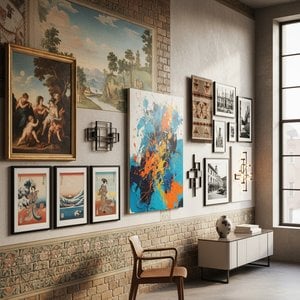
Explore the art of transforming spaces with our comprehensive guide to wall decor. From historical movements to contemporary trends, discover how to curate impactful interiors and commission bespoke artwork for a truly personalized aesthetic.

Journey through art history with 10 legendary bronze sculptures – from Michelangelo's David to Rodin’s Thinker. Explore the stories, techniques & timeless beauty of these masterpieces. Find museum-quality reproductions & elevate your home decor on WahooArt.com.

Explore the rich history of sculpture with WahooArt. Discover key techniques, influential artists & investment potential for discerning collectors. Expert insights into valuing and collecting timeless masterpieces.

Explore the rich history of sculpture from ancient masterpieces to contemporary innovations. Discover key techniques, influential artists & investment potential for discerning art collectors.

Journey through art history with our Top 10 bronze sculptures! Explore masterpieces by Rodin, Michelangelo & more. Discover stories behind iconic statues and find museum-quality reproductions for your home decor at WahooArt.com.


 发送
发送 分享
分享
 详情
详情 指南
指南

 下载图片
下载图片
 相似作品
相似作品 幻灯片播放
幻灯片播放 统计数据
统计数据 阅读全文
阅读全文






































 玻璃选项仅适用于110厘米以下的尺寸。


