效果预览效果预览 AR 预览AR 预览 切换至版画销售渠道 切换至版画销售渠道切换至数字图像销售渠道 切换至数字图像销售渠道 分享分享
详情详情 加入收藏 加入收藏 下载下载 相似作品相似作品 X射线X射线 幻灯片播放幻灯片播放 统计数据统计数据

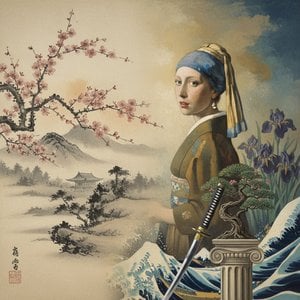
Untitled (D2X7EH)

Ancient Japanese painting by kasuga motomitsu (301). A serene vertical scroll depicting a monk & boy in muted tones. Explore this exquisite silk artwork's symbolism & traditional Buddhist style.

Discover kasuga motomitsu, a renowned Japanese artist of the Kamakura period known for exquisite silk paintings featuring bold colors, delicate lines, and traditional motifs like cherry blossoms and dragons. Explore his masterpieces and lasting legac

手工油画复制品

由我们的艺术家按需定制,为您提供您所选尺寸及画框的布面手工油画。 (切换至版画销售渠道 切换至版画销售渠道切换至数字图像销售渠道 切换至数字图像销售渠道)

标准尺寸
定制
CM
INCH

从与原作比例一致的预设尺寸中进行选择。

宽度
高度

您可以输入自定义尺寸,以适配特定的画框或空间。如果所选尺寸与原图比例不符,我们将通过裁剪作品或添加手绘元素来扩展画面。数字样稿将在制作开始前发送给您确认。
请注意,屏幕预览无法准确反映实际的裁剪或扩展效果,只有样稿才能真实呈现最终的构图。
虽然我们提供定制尺寸服务,但为了保留原作比例,建议您从预设列表中选择尺寸。

可定制示例:将面部替换为客户照片;添加宠物(例如,将猫替换为狗);在背景中加入隐藏信息;更改背景风景或元素。
下单后,WahooArt.com 团队将通过电子邮件联系客户获取具体要求,并提供效果预览图。

全球配送(),仅需 3-4 周即可送达,无需等待标准时效的 5 周。(12 September)。品质绝不妥协。

why_choose_icon
全球免费特快专递服务
why_choose_icon
优质亚麻画布
why_choose_icon
全程运输保险
why_choose_icon
关税退款保证
why_choose_icon
色彩还原度保证
why_choose_icon
100天退货政策(仅限瑕疵品)
why_choose_icon
100%退款保证
why_choose_icon
多件购买优惠

总计金额

$ 297

reproduction

Untitled (D2X7EH)

复制材质

复制品尺寸

-

最终总价

$ 297


艺术家简介

A Brush with Eternity: The World of Kasuga Motomitsu

Kasuga Motomitsu remains a figure shrouded in the mists of early Japanese art history, yet his influence resonates through centuries of Kamakura period (1185-1333) painting. Unlike many artists whose lives are meticulously documented, details surrounding Motomitsu’s existence are scarce. He wasn't a court painter celebrated with official commissions or extensive biographical records; instead, he emerged as a pivotal figure in the development of *yamato-e*, a distinctly Japanese style of landscape and narrative painting that prioritized intimate observation and emotional resonance over strict adherence to Chinese conventions. Born sometime in Japan during the late 10th or early 11th century, his story is largely reconstructed through analysis of his surviving works—most notably, the exquisite Portrait of Xuanzang (Genjō) with Attendant. This painting isn’t merely a portrait; it's a window into the spiritual world of the period and a testament to Motomitsu’s mastery of silk as a medium.

Early Influences and Artistic Training

The artistic landscape in which Motomitsu matured was undergoing significant transformation. Prior to the Kamakura period, Japanese painting had been heavily influenced by Chinese styles—particularly Song Dynasty landscapes and figure paintings. However, a growing desire for uniquely Japanese expression began to take root. Buddhist art played a crucial role in shaping Motomitsu’s early aesthetic sensibilities. The emphasis on intricate detail, symbolic representation, and the use of gold leaf and vibrant colors within religious iconography profoundly impacted his approach. He received training in traditional Japanese art forms, absorbing techniques passed down through generations of artisans. This foundation allowed him to skillfully blend established conventions with a burgeoning sense of individuality. It’s believed that Motomitsu's early work focused on Buddhist themes, preparing him for the complex task of depicting religious figures and narratives with both technical precision and spiritual depth.

The Portrait of Xuanzang: A Masterpiece Unveiled

Portrait of Xuanzang (Genjō) with Attendant, created in the 14th century, stands as Motomitsu’s most celebrated achievement—and arguably a defining work within *yamato-e*. The painting depicts the Chinese Buddhist monk Xuanzang, revered in Japan as Genjō, alongside an attendant. Measuring 123.8cm x 74.3cm, the silk canvas is imbued with a serene atmosphere and remarkable attention to detail. Motomitsu’s use of color is striking—not through bold extravagance but through subtle harmonies and delicate gradations. The rendering of Xuanzang himself is particularly noteworthy; his face conveys wisdom, compassion, and an inner tranquility that transcends mere physical representation. The landscape surrounding the figures isn't a realistic depiction of nature but rather a symbolic evocation of the spiritual realm—a space conducive to contemplation and enlightenment.

Style and Technique: A Delicate Balance

Motomitsu’s artistic style is characterized by a delicate balance between precision and expressiveness. His lines are fluid yet controlled, creating a sense of movement and vitality within his compositions. He skillfully employed traditional Japanese motifs, such as cherry blossoms—symbols of impermanence and renewal—and dragons, representing power and good fortune. The choice of silk as his medium was crucial to his artistic vision. Silk allowed him to achieve an unparalleled level of detail and luminosity, enhancing the ethereal quality of his paintings. His technique involved layering colors meticulously, creating depth and texture that draws the viewer into the artwork’s world. This painstaking process reflects a deep reverence for materials and a commitment to craftsmanship.

Legacy and Impact: Shaping Japanese Aesthetics

While concrete details about Motomitsu's life remain elusive, his impact on the development of Japanese art is undeniable. He helped pave the way for a more distinctly Japanese aesthetic—one that prioritized emotional resonance, intimate observation, and symbolic representation over strict adherence to Chinese conventions. His work influenced generations of artists who followed, inspiring them to explore new forms of expression within *yamato-e*. The Portrait of Xuanzang (Genjō) with Attendant continues to be revered as a masterpiece of Japanese art—a testament to Motomitsu’s skill, vision, and enduring legacy. He represents a pivotal moment in the transition from Chinese-influenced styles towards a uniquely Japanese artistic identity, leaving an indelible mark on the cultural landscape of Japan.

艺术家简介

  • Artistic Movement Or Style: World Goes Pop
  • Artists Or Movements Influenced By This Artist: ['Influences various contemporary artists']
  • Artists Who Influenced This Artist: ['Influenced by diverse artists within the World Goes Pop movement']
  • Date Of Death: Living
  • Notable Artworks: ['Various works featured in The World Goes Pop exhibition']
  • Place Of Birth: WahooArt