
 InkWallArtKanō school
 1600Early Modern
 178.0 x 366.0 cm
 国立古美术馆
博物馆级艺术微喷或帆布版画,制作高效,并提供多种饰面选择。 ( 购买手绘画作 切换至数字图像销售渠道)





























从与原作比例一致的预设尺寸中进行选择。

您可以输入自定义尺寸,以适配特定的画框或空间。如果您选择的尺寸与原图比例不符,我们将对作品进行裁剪,或通过镜像填充/纯色填充边缘的方式来扩展图像。在开始制作之前,我们会向您发送一份数字效果图供您确认。
请注意,屏幕上的预览并不能反映实际的裁剪或扩展效果。只有效果图才能准确展示最终的构图。
虽然我们提供定制尺寸,但为了保持原图比例,我们建议您从预设列表中选择尺寸。

Namban folding screens
复制品尺寸
In the grand tapestry of Japanese art history, few works capture the profound sense of cultural collision and curiosity as exquisitely as the Namban folding screens by the master Kanō Naizen. Created around 1600, this monumental masterpiece serves as a breathtaking visual chronicle of the "Nanban" period—a time when the arrival of Portuguese traders and missionaries brought a wave of unprecedented foreign influence to the shores of Japan. As one gazes upon these expansive screens, measuring an impressive 178 x 366 cm, they are immediately transported to the bustling ports of Nagasaki, where the horizon is dotted with the silhouettes of heavy European vessels navigating the delicate Japanese coastline.
The composition is a masterful dance of movement and stillness. Naizen skillfully populates the scene with a diverse array of figures, ranging from local Japanese onlookers to the "Southern Barbarians" themselves. The painting breathes with a lively, almost cinematic atmosphere; people are captured in mid-stride, walking through vibrant landscapes or gathered near the water's edge, creating a sense of a living, breathing moment frozen in time. This narrative depth is complemented by the strategic placement of boats that weave through the composition, guiding the viewer’s eye from the foreground festivities to the distant, mysterious reaches of the sea.
As a prominent figure within the illustrious Kanō school, Naizen utilized the sophisticated techniques passed down through generations of his lineage to achieve a level of detail that is nothing short of hypnotic. The artwork exemplifies the hallmark characteristics of the period: a brilliant use of gold leaf that catches the light, creating a luminous backdrop that elevates the subject matter from mere documentation to high art. This technique does more than just provide luxury; it creates a divine, ethereal space where the earthly events of trade and encounter feel monumental and sacred.
The artist’s brushwork is both precise and expressive, capable of rendering the intricate textures of period clothing, the structural complexity of maritime vessels, and the subtle emotional expressions on the faces of the crowd. For the discerning collector or interior designer, this piece offers a profound sense of prestige. The interplay between the rich, gilded surfaces and the detailed narrative elements provides a sophisticated focal point that can anchor a room, offering both historical gravity and an unparalleled aesthetic elegance. To possess a reproduction of such a work is to invite a piece of Japan's golden age into one's personal sanctuary, fostering an environment of deep reflection and cultural appreciation.


1570 - 1616 , Japan

Explore the profound beauty of Japanese landscape painting. From Hokusai's iconic vistas to Zen-inspired compositions, discover the spiritual depth and historical mastery of Ukiyo-e art in this expert cultural retrospective.
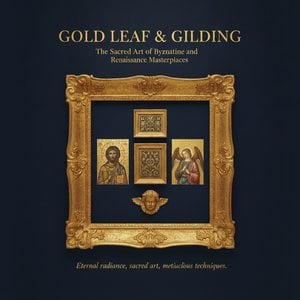
Explore the divine mastery of Byzantine gold leaf and gilding. Discover how ancient artisans used gold ground and mosaics to create celestial light, a timeless legacy of spiritual splendor and technical excellence in sacred art history.

Embark on a visual journey through the world's most radiant masterpieces. Discover how gold leaf, impasto textures, and gilded tones define luxury in fine art, from Byzantine icons to modern abstracts. Explore the eternal allure of gold in curated, museum-quality art collections.

Explore the profound beauty of Japanese Ukiyo-e art. Discover the legacy of Hokusai and the Utagawa school through an expert exploration of Edo-period aesthetics, seasonal motifs, and the enduring global influence of Japan's 'Floating World' on fine art history.
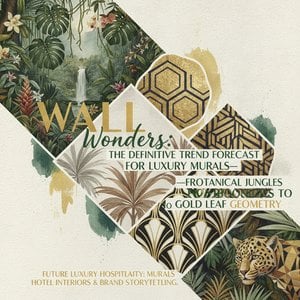
Elevate your hospitality projects with our expert trend forecast on luxury murals. From biophilic botanical jungles to opulent gold leaf geometry, discover how bespoke large-scale wall art and custom frescoes can transform hotel interiors into unforgettable architectural statements.


 效果预览
效果预览
 分享
分享 分享
分享
 详情
详情

 下载
下载
 相似作品
相似作品 X射线
X射线 幻灯片播放
幻灯片播放 统计数据
统计数据 展开详情
展开详情









 玻璃选项仅适用于110厘米以下的尺寸。


