购买高分辨率增强版数字图像,其品质远超在线预览。
每一份文件都由我们的内部专家使用先进工具与专业的后期润色技术精心打造。我们确保每一张图像都具备卓越的清晰度、精准的色彩还原度以及细腻的细节表现。
最终文件将在 72 小时内通过电子邮件交付,并针对专业、编辑及印刷用途进行了优化。其品质与顶级设计工作室、出版社和画廊所信赖的标准完全一致。
下载高分辨率文件,用于个人展示、打印及创意项目。 ( 切换至版画销售渠道 订购此收藏品的纯手工复刻画作)
选择 WahooArt.com,您获得的不仅仅是一张图像——您收到的是经过专业级增强、精雕细琢的数字艺术作品,并享有满意保证。以下是您的订单中自动包含的所有内容:

您的高分辨率数字图像文件将在下单后 72 小时内通过电子邮件发送给您 —— 即可立即使用。

您的艺术品经过专业优化,结合先进的 AI 技术与人工修饰,确保呈现极致的细节、清晰度与色彩准确度。

不小心删除了文件或找不到了?没关系——我们将随时为您免费重发。

即刻拥有您的艺术作品,无需支付任何关税、税费或运费——数字下载始终免税。

我们通过专业工具与色彩管理技术,确保您的数字图像尽可能真实地还原原作色彩。

如果您对所购数字图像不满意,我们将在100天内为您进行修改或提供100%的全额退款——无需任何理由。

不满意?在收到数字文件后的100天内,您可以申请全额退款——无需任何理由。

购买 3 张享 10% 折扣 - 购买 5 张享 15% 折扣 - 购买 10 张以上享 20% 折扣。非常适合创意项目、画廊及机构使用。
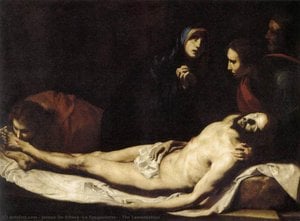
Jusepe de Ribera's "Saint Peter and Saint Paul," painted circa 1630, is not merely a portrait; it’s a profound meditation on faith, mortality, and the enduring legacy of two pivotal figures in Christianity. Born in Xàtiva, Spain, in 1591, Jusepe de Ribera, or “Lo Spagnoletto” as he was known, forged a distinctive artistic path marked by dramatic chiaroscuro – an intense contrast between light and dark – and a brutally honest depiction of the human form. His time spent in Naples, under Spanish rule, profoundly shaped his style, imbuing it with a sense of gravitas and a fascination with religious subjects often rendered with unflinching realism.
The painting immediately commands attention through its masterful use of light. Ribera doesn’t shy away from the shadows; instead, he employs them to sculpt the figures, creating an almost sculptural quality. The deep, velvety blacks that envelop Peter and Paul are punctuated by shafts of brilliant illumination, highlighting their faces, hands, and the folds of their garments. This dramatic lighting isn't simply aesthetic; it serves to emphasize the spiritual weight of the scene, suggesting a divine presence casting its gaze upon these two venerable apostles.
Ribera’s depiction of Saint Peter and Saint Paul is remarkably unconventional for his time. Rather than presenting them as idealized saints radiating youthful beauty, he portrays them as men nearing the end of their lives – weathered, aged, and bearing the marks of earthly experience. Peter's face is lined with wrinkles, his beard thick and graying; Paul’s features are etched with a quiet sorrow. This deliberate choice to depict aging isn’t meant to diminish their importance but rather to underscore the universality of human suffering and the enduring power of faith in the face of mortality. The figures aren’t presented as triumphant heroes, but as men wrestling with doubt and seeking solace in their shared devotion.
Notice the subtle details: Peter holds a book open before him, suggesting his role as an interpreter of scripture; Paul clutches a scroll, perhaps representing his writings and teachings. Their hands are clasped together, symbolizing unity and fellowship within the Christian community. The posture of both men is one of quiet contemplation, inviting the viewer to join them in their silent dialogue with God.
“Saint Peter and Saint Paul” firmly establishes Ribera’s place within the Baroque movement, a period characterized by dramatic intensity, emotional depth, and an embrace of theatricality. His style was heavily influenced by Caravaggio, with whom he worked in Naples, adopting his signature use of tenebrism – extreme contrasts between light and dark – to create powerful visual effects. However, Ribera’s work possesses a unique character, rooted in the Spanish tradition of religious painting and infused with the gritty realism of life in Naples.
The background is deliberately indistinct, contributing to the overall sense of drama and focusing attention on the central figures. The muted colors – browns, grays, and ochres – further enhance the somber mood of the scene. Ribera’s meticulous attention to detail, particularly in rendering the textures of fabric and skin, adds a remarkable level of realism to the painting.
Beyond its technical brilliance, “Saint Peter and Saint Paul” is rich in symbolic meaning. The apostles' shared devotion represents the core tenets of Christianity – faith, hope, and charity. Their presence together speaks to the enduring power of community and the importance of mutual support in times of hardship. The painting serves as a poignant reminder that even in old age, faith can offer solace and guidance. It’s a testament to Ribera's ability to capture not just physical likeness but also the profound spiritual essence of his subjects.
Today, “Saint Peter and Saint Paul” remains a powerful and evocative work of art, captivating viewers with its dramatic lighting, realistic portrayal of aging, and enduring message of faith. It’s a piece that invites contemplation and offers a glimpse into the heart of the Baroque era – a time when artists sought to capture not only the beauty of the world but also the complexities of the human spirit.


1591 - 1652 , 西班牙


 实景预览
实景预览
 发送
发送 分享
分享
 详情
详情 指南
指南

 下载图片
下载图片
 相似作品
相似作品 X射线
X射线 幻灯片播放
幻灯片播放 统计数据
统计数据


 阅读全文
阅读全文