
 Oil On CanvasWallArtBaroque Painting
 1630
1630 123.0 x 95.0 cm
 匈牙利美术博物馆
博物馆级艺术微喷或帆布版画,制作高效,并提供多种饰面选择。 ( 订购此收藏品的纯手工复刻画作 切换至数字图像销售渠道)





























您可以从与原作比例一致的预设尺寸中进行选择。

请输入您所需的宽度和高度,以适配您的画框或墙面。由于印刷品只能进行裁剪,无法超出原图尺寸,因此若比例不一致,画面的一部分将会被裁切。在正式印刷之前,我们会为您发送一份数字效果图供您确认。本页面显示的图片并非最终裁剪后的效果——只有效果图才能展示真实的裁剪情况。
Saint Jerome
复刻品尺寸说明
Jusepe de Ribera's "Saint Jerome," painted circa 1638-40, isn’t merely a portrait; it’s an immersion into the soul of a man wrestling with divine purpose and earthly suffering. This monumental work, currently residing in the Cleveland Museum of Art, exemplifies Ribera’s signature style – a dramatic blend of tenebrism, raw realism, and profound spiritual intensity that secured his place as one of the most significant artists of the Spanish Baroque era. More than just depicting a biblical figure, Ribera captures a universal struggle with faith, repentance, and the burden of divine responsibility.
The painting immediately commands attention through its masterful use of light and shadow. Ribera employs a technique known as chiaroscuro – a stark contrast between intensely illuminated areas and deep, enveloping darkness – to sculpt the figure of Saint Jerome from the gloom. The saint’s face, partially obscured by shadow, is rendered with an almost photographic realism, capturing every wrinkle, furrow, and the haunted expression etched upon his brow. This deliberate obscurity draws the viewer in, forcing a contemplative engagement with the subject's inner turmoil.
Saint Jerome, traditionally depicted as the hermit who translated the Bible into Latin, is presented here not as a serene scholar but as a man consumed by his task. He’s shown in a desolate landscape – a barren desert, rendered with muted browns and ochres – beating his breast with a stone, an act of self-flagellation symbolizing repentance and devotion. The inclusion of a skull beneath his hand is a potent reminder of mortality and the vanity of earthly pursuits, urging viewers to contemplate their own spiritual journeys.
The composition itself is carefully constructed to amplify this sense of drama. Ribera utilizes a pyramidal structure, with Jerome’s figure forming the apex, drawing the eye upwards and emphasizing his importance within the scene. The outstretched hand holding a scroll – bearing the words of the Vulgate Bible – represents not just the accomplishment of translating scripture but also the weight of that responsibility. It's a visual declaration of faith undertaken with profound humility.
Ribera’s style is deeply rooted in the artistic innovations of Michelangelo Merisi da Caravaggio, whom he encountered and profoundly admired during his time in Rome. Like Caravaggio, Ribera favored dramatic lighting, intense realism, and a focus on human emotion. However, Ribera infused this Italian influence with distinctly Spanish sensibilities – a heightened sense of drama, a darker palette, and an unflinching portrayal of the human condition. The painting’s somber mood reflects the prevailing religious fervor and social anxieties of 17th-century Spain.
Born in Xativa, Valencia, in 1591, Ribera's life was marked by hardship and exile. He spent much of his career in Naples, where he established a prolific workshop and cultivated a devoted following. His paintings often depict scenes of martyrdom, poverty, and religious ecstasy – subjects that resonated deeply with the social realities of the time. “Saint Jerome” is a testament to Ribera’s ability to transform historical narratives into emotionally resonant works of art.
“Saint Jerome” transcends its biblical subject matter, offering a timeless meditation on faith, repentance, and the human struggle for spiritual understanding. The painting's power lies not just in its technical brilliance but also in its ability to evoke a profound sense of empathy and contemplation. It’s a work that invites viewers to consider their own relationship with faith, mortality, and the enduring weight of responsibility – a truly remarkable achievement of the Spanish Baroque.
“Saint Jerome”的受欢迎程度被归类为Recognized。
里贝拉 (Lǐbèi Lā) 的《Saint Jerome》 的艺术氛围被描述为 Dramatic。这种分类有助于将作品与特定的空间环境相匹配。
您可以在 数字图像 页面直接购买 “Saint Jerome” 的 高分辨率数字图像下载。


1591 - 1652 , 西班牙

Explore the profound drama of Baroque Realism. Discover how masters used chiaroscuro and tenebrism to command light and shadow, creating timeless emotional depth in 17th-century masterpieces.

Explore the profound iconography of Saint Jerome through art history's most iconic masterpieces. From Renaissance serenity to Baroque drama, discover how legendary painters captured divine devotion in breathtaking oil paintings and fine art reproductions.
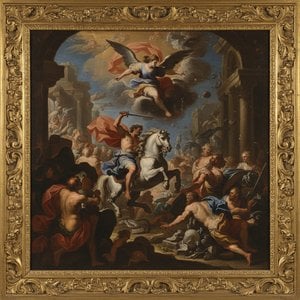
Explore the breathtaking power of Baroque art. Delve into the dramatic interplay of light, shadow, and motion through the works of masters like Caravaggio. Discover how the era's intense emotional realism continues to inspire collectors and connoisseurs of classical grandeur.

Embark on a sophisticated exploration of Spanish art history, from the chiaroscuro mastery of Velázquez to the profound shadows of Goya. Discover how the dramatic light and emotional depth of Spain's greatest masters continue to inspire collectors and connoisseurs today.

Explore the profound drama of Spanish Baroque art. Delve into the mastery of light, shadow, and realism through the legendary works of Diego Velázquez and the Spanish Golden Age.


 实景预览
实景预览
 发送
发送 分享
分享
 详情
详情 指南
指南

 下载图片
下载图片
 相似作品
相似作品 X射线
X射线 幻灯片播放
幻灯片播放 Q&A
Q&A 统计数据
统计数据 阅读全文
阅读全文









 玻璃选项仅适用于110厘米以下的尺寸。


