Oil On CanvasWallArtImpressionism
 188819th Century
 54.0 x 44.0 cm
 大都会艺术博物馆
购买高分辨率增强版数字图像,其品质远超在线预览。
每一份文件都由我们的内部专家使用先进工具与专业的后期润色技术精心打造。我们确保每一张图像都具备卓越的清晰度、精准的色彩还原度以及细腻的细节表现。
最终文件将在 72 小时内通过电子邮件交付,并针对专业、编辑及印刷用途进行了优化。其品质与顶级设计工作室、出版社和画廊所信赖的标准完全一致。
选择 WahooArt.com,您获得的不仅仅是一张图像——您收到的是经过专业级增强、精雕细琢的数字艺术作品,并享有满意保证。以下是您的订单中自动包含的所有内容:

您的高分辨率数字图像文件将在下单后 72 小时内通过电子邮件发送给您 —— 即可立即使用。

您的艺术品经过专业优化,结合先进的 AI 技术与人工修饰,确保呈现极致的细节、清晰度与色彩准确度。

不小心删除了文件或找不到了?没关系——我们将随时为您免费重发。

即刻拥有您的艺术作品,无需支付任何关税、税费或运费——数字下载始终免税。

我们通过专业工具与色彩管理技术,确保您的数字图像尽可能真实地还原原作色彩。

如果您对所购数字图像不满意,我们将在100天内为您进行修改或提供100%的全额退款——无需任何理由。

不满意?在收到数字文件后的100天内,您可以申请全额退款——无需任何理由。

购买 3 张图片可享 10% 折扣 - 购买 5 张可享 15% 折扣 - 购买 10+ 张可享 20% 折扣。非常适合创意项目、画廊和机构使用。
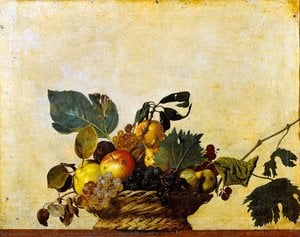
Julian Alden Weir's 1888 painting, "Fruit," offers a captivating glimpse into the burgeoning world of American Impressionism. More than just a depiction of apples, oranges, and grapes arranged on a table, it’s a meditation on beauty, decay, and the fleeting nature of existence – a core tenet of the *vanitas* tradition prevalent in European art at the time. Weir, born in West Point, New York, inherited an artistic lineage deeply rooted in formal training, beginning with his father's instruction at the United States Military Academy, yet it was his immersion in Parisian ateliers and encounters with artists like Jean-Léon Gérôme that truly ignited his distinctive style. This painting represents a pivotal moment in Weir’s artistic journey – a deliberate shift away from the rigid academicism of his early years towards a more subjective and emotionally resonant approach to capturing the world around him.
The composition itself is deceptively simple, yet meticulously crafted. The arrangement of the fruit—the vibrant red of the apples, the sunny yellow of the oranges, and the deep purple of the grapes – draws the eye immediately. Notice how Weir doesn’t strive for photographic realism; instead, he employs loose brushstrokes and a muted palette, prioritizing atmosphere and light over precise detail. The table, rendered with subtle tonal variations, provides a grounding element, anchoring the vibrant fruits within a sense of quiet contemplation. This deliberate choice reflects the influence of artists like Edouard Manet, whom Weir admired and whose work encouraged him to explore more intimate still lifes that evoked the *vanitas* tradition – a reminder of mortality and the transience of earthly pleasures.
“Fruit” is deeply informed by the *vanitas* genre, a popular theme in Northern European art during the 16th and 17th centuries. *Vanitas* paintings typically featured symbolic objects – skulls, decaying fruit, extinguished candles – to remind viewers of the inevitability of death and the futility of worldly pursuits. While Weir’s work isn't overtly morbid, the inclusion of ripe fruit on the verge of decay subtly conveys this underlying theme. The slightly bruised apple, for instance, hints at the passage of time and the ephemeral nature of beauty. The grapes, plump and luscious, represent abundance and pleasure, but their proximity to the decaying elements suggests that even these joys are ultimately transient.
Beyond *vanitas*, individual fruits carry specific symbolic weight. Apples have long been associated with knowledge, temptation, and immortality in Western art. Oranges, introduced to Europe from the East, represented wealth and luxury. Grapes symbolize abundance, fertility, and joy. Weir’s careful selection of these elements creates a layered visual narrative, inviting viewers to contemplate not just the beauty of the fruit itself, but also its deeper meaning.
Weir's masterful technique is evident in his skillful use of light and shadow. He employs broken color—applying small dabs of paint rather than blending them smoothly—to create a sense of luminosity and atmospheric depth. The brushstrokes are loose and expressive, capturing the texture of the fruit’s skin and the sheen of its surfaces. This approach aligns with the Impressionist movement's emphasis on capturing fleeting moments and subjective perceptions. The painting is executed in oil on canvas, a medium that allowed Weir to achieve rich colors and subtle tonal variations.
Interestingly, this period of Weir’s work – the 1880s – saw him moving away from his earlier academic style and embracing a more intimate and emotionally driven approach. His connection with artists like Edouard Manet during his time in Paris undoubtedly played a role in this transformation. The painting's quiet elegance and contemplative mood reflect Weir’s growing confidence as an artist, signaling a shift towards a distinctly American brand of Impressionism.
WahooArt is proud to offer a meticulously hand-painted reproduction of Julian Alden Weir’s “Fruit.” This isn't merely a print; it’s a faithful recreation of the original, capturing the artist’s delicate brushwork and evocative atmosphere. The 54 x 44 cm size makes this piece ideal for adding a touch of timeless beauty to any room – from a cozy study to a sophisticated dining area. The subtle color palette and nuanced details will bring a sense of serenity and contemplation to your space, reminding you of the fleeting nature of beauty and the importance of appreciating the present moment. Explore our collection today and bring home a piece of art history.


1852 - 1919 , 美国


 效果预览
效果预览
 切换至版画销售渠道
 分享
分享 分享
分享
 详情
详情

 下载
下载
 相似作品
相似作品 X射线
X射线 幻灯片播放
幻灯片播放 统计数据
统计数据 展开详情
展开详情