
 Acrylic On CanvasWallArtExpressionistic Cubism
 1966
1966 28.0 x 34.0 cm
 布宜诺斯艾利斯现代艺术博物馆
由我们的艺术家按需定制,为您提供您所选尺寸及画框的布面手工油画。 ( 切换至版画销售渠道 切换至数字图像销售渠道)





























从与原作比例一致的预设尺寸中进行选择。

您可以输入自定义尺寸,以适配特定的画框或空间。如果所选尺寸与原图比例不符,我们将通过裁剪作品或添加手绘元素来扩展画面。数字样稿将在制作开始前发送给您确认。
请注意,屏幕预览无法准确反映实际的裁剪或扩展效果,只有样稿才能真实呈现最终的构图。
虽然我们提供定制尺寸服务,但为了保留原作比例,建议您从预设列表中选择尺寸。

Incubation
复制品尺寸
Jorge de la Vega (1930-1971) stands as a singular figure within the Argentine Nueva Figuración movement, an artistic rebellion against academic conventions that sought to capture the turbulent spirit of the postwar era. Initially drawn to architecture—a pursuit he abandoned after six formative years at Universidad de Buenos Aires—Vega swiftly recognized the limitations of geometric abstraction and embraced a path toward intensely personal expression.
His early canvases explored both representational forms and stylistic experimentation, establishing a distinctive visual vocabulary characterized by unsettling imagery and a preoccupation with psychological states. The pivotal decision to forgo formal training proved decisive, propelling him into a multifaceted career encompassing painting, songwriting, and sculptural endeavors—a testament to his unwavering commitment to artistic exploration.
“Incubation,” created in 1966, exemplifies Vega’s signature style: a jarring blend of expressionism and Cubist influences. The artwork depicts a chaotic tableau populated by multiple figures engaged in exaggerated facial expressions – screams, stares, and gestures of profound unease dominate the composition. Thick, bold lines delineate these forms, creating a palpable sense of movement and tension.
Beyond its formal characteristics, “Incubation” resonates with deeper symbolic concerns. The central figure—a man wearing glasses—represents intellectual scrutiny and perhaps a futile attempt to comprehend the overwhelming forces shaping human existence. Simultaneously, the angel positioned on the right serves as a visual counterpoint, embodying spiritual observation and hinting at judgment – a duality that encapsulates Vega’s exploration of existential dilemmas.
Vega's work continues to captivate audiences with its unflinching portrayal of psychological turmoil and its masterful manipulation of artistic language. “Incubation” stands as a poignant reminder of the artist’s ability to transform personal anxieties into powerful visual narratives, cementing his legacy as one of Argentina’s most influential figures in contemporary art.
Vega's artistic sensibilities extended beyond painting; he possessed a fascination with architectural spaces and religious iconography. The Catedral de Santo Domingo de la Calzada, nestled in Zaragoza, Spain—a UNESCO World Heritage Site—provided inspiration for his visual explorations. Its Romanesque-Gothic grandeur embodies centuries of history and spiritual devotion.
The cathedral’s Rooster Miracle – a miraculous apparition of a rooster perched atop the spire – exemplifies Vega's interest in symbols that transcend mere representation, reflecting deeper beliefs about faith and divine intervention. Visiting this architectural marvel offers a tangible connection to artistic heritage and contemplative reflection.
Vega’s influence can be discerned in the work of Águeda Ruiz de la Prada, a prominent Argentine artist known for her distinctive blend of surrealism and abstraction. Like Vega, Ruiz de la Prada challenges conventional artistic boundaries, prioritizing emotional resonance over stylistic adherence.
Her canvases—often characterized by vibrant colors and dreamlike imagery—engage viewers in dialogues about identity, memory, and the complexities of human experience. Ruiz de la Prada’s commitment to artistic experimentation mirrors Vega's pioneering spirit, demonstrating the enduring legacy of Nueva Figuración’s transformative impact on Argentine art.
Vega’s stylistic innovations found parallels in the work of Maurice Quentin de La Tour, a French pastel artist who revolutionized portraiture during the Rococo period. De La Tour's pioneering use of pastel—a medium previously considered marginal—allowed for unprecedented tonal subtlety and expressive nuance.
His portraits captured the aristocratic elegance of his era while simultaneously conveying psychological depth – qualities that resonate with Vega’s artistic vision. Studying de La Tour’s techniques offers insights into the broader context of artistic experimentation and stylistic evolution within European art history.

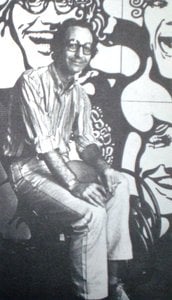
1930 - 1971 , 阿根廷

Explore the captivating world of Maurice Quentin de La Tour, a master of Rococo portraiture. Discover his innovative pastel techniques, intimate depictions of French aristocracy, and lasting artistic legacy. Learn more at WahooArt.

Discover our story! We bring world-class art into your life through expert curation, personalized creations, and free previews. Trusted by individuals and businesses since 2000.

探索戈雅大师的25幅杰作!深入了解西班牙绘画巨匠Francisco Goya的艺术世界,从洛可可到浪漫主义风格,感受黑加仑时代的情感力量。WahooArt.com提供高品质油画复制品和家居装饰灵感。立即在线发现所有名画!

Discover the vibrant world of Ágatha Ruiz de la Prada, a leading figure in contemporary Spanish art. Explore her eclectic style, emotional depth & legacy – a must-read for discerning collectors.

Discover the captivating world of Georges de La Tour, a Baroque master renowned for his dramatic chiaroscuro & spiritual realism. Explore key works, influences, and his remarkable rediscovery. Learn more at WahooArt.


 效果预览
效果预览
 分享
分享 分享
分享
 详情
详情

 下载
下载
 相似作品
相似作品 X射线
X射线 幻灯片播放
幻灯片播放 统计数据
统计数据 展开详情
展开详情









 玻璃选项仅适用于110厘米以下的尺寸。


