
由我们的艺术家按需定制,为您提供您所选尺寸及画框的布面手工油画。 ( 切换至版画销售渠道 切换至数字图像销售渠道)
从与原作比例一致的预设尺寸中进行选择。

您可以输入自定义尺寸,以适配特定的画框或空间。如果所选尺寸与原图比例不符,我们将通过裁剪作品或添加手绘元素来扩展画面。数字样稿将在制作开始前发送给您确认。
请注意,屏幕预览无法准确反映实际的裁剪或扩展效果,只有样稿才能真实呈现最终的构图。
虽然我们提供定制尺寸服务,但为了保留原作比例,建议您从预设列表中选择尺寸。

Woman’s Baeja
复制品尺寸
“Woman’s Baeja” is a striking studio photograph showcasing a garment of the same name designed by Johnny Hates Jazz (Choi Ji Hyung). The artwork centers entirely on this vest-like piece, presented against a stark white background. This deliberate simplicity directs all attention to the garment's form, texture, and intricate details. The composition is carefully balanced, with the vest angled slightly to reveal both its front and side aspects. This perspective allows for a comprehensive view of its construction.
The photograph itself exemplifies contemporary fashion photography, elevated by elements of conceptual art due to the garment’s unique design and presentation. Choi Ji Hyung masterfully utilizes studio lighting – even and diffused – to minimize shadows and accentuate the textures inherent in the materials. The technique prioritizes clarity and detail, ensuring every seam, panel, and embellishment is visible. The "Woman's Baeja" itself appears to be constructed from a combination of materials: primarily black leather with contrasting white fabric panels, complemented by silver metal hardware (likely zippers or eyelets for lacing), and vibrant ribbon ties. The garment’s construction likely involved pattern making, precise cutting, meticulous sewing, and potentially some hand-finishing details.
The "Baeja" itself is a traditional Korean vest, and Choi Ji Hyung's design represents a fascinating fusion of heritage and modernity. The garment’s name directly references this tradition. However, the use of edgy materials like black leather and the unconventional construction techniques signal a deliberate departure from classic interpretations. This juxtaposition suggests a commentary on cultural identity in a contemporary context – a blending of old-world influences with modern aesthetics and perhaps even a subtle element of rebellion. The bold color contrast—black, white, and royal blue—further reinforces this sense of confidence and dynamism.
“Woman’s Baeja” evokes a feeling of boldness and sophistication. The starkness of the background amplifies the visual impact of the garment's textures and lines. The interplay between the rough leather, smooth panels, and delicate laces creates a compelling tactile experience for the viewer, even through a photograph. Beyond its aesthetic appeal, the artwork prompts reflection on themes of cultural preservation, innovation in fashion design, and the evolving nature of identity in a globalized world. It is a testament to Choi Ji Hyung’s ability to transform traditional elements into a striking contemporary statement.


1984 - , South Korea
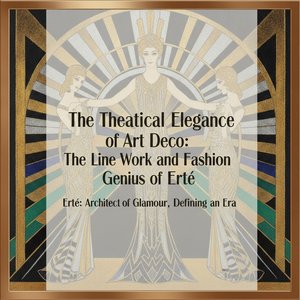
Discover the unparalleled elegance of Art Deco through the lens of Erté. Explore a masterclass in linear precision, theatrical costume design, and high-fashion illustration that continues to define modern luxury and sophisticated interior aesthetics.

Embark on a visual journey through the evolution of fashion photography. Discover how masters like Gianfranco Ferré blended geometry, surrealism, and texture to redefine high-fashion art for collectors and connoisseurs of luxury imagery.
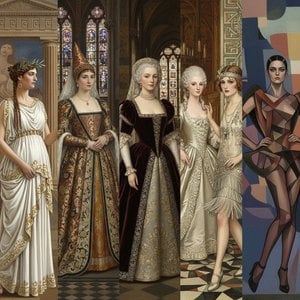
Explore the breathtaking intersection of fine art and high fashion. Discover how iconic masterpieces from Art Deco to Impressionism have shaped the world of luxury couture and timeless design in this curated visual journey.
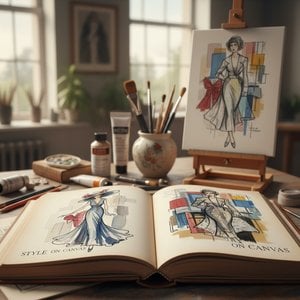
Discover the exquisite world of fashion illustration art. From Art Deco elegance to bespoke oil reproductions, explore how timeless sartorial beauty transforms luxury interiors through masterfully crafted canvas works and curated historical masterpieces.


 分享
分享 分享
分享
 详情
详情

 下载
下载
 相似作品
相似作品 幻灯片播放
幻灯片播放 统计数据
统计数据

 展开详情
展开详情






































 玻璃选项仅适用于110厘米以下的尺寸。


