博物馆级艺术微喷或帆布版画,制作高效,并提供多种饰面选择。 ( 订购纯手工绘制画作 切换至数字图像销售渠道)





























您可以从与原作比例一致的预设尺寸中进行选择。

请输入您所需的宽度和高度,以适配您的画框或墙面。由于印刷品只能进行裁剪,无法超出原图尺寸,因此若比例不一致,画面的一部分将会被裁切。在正式印刷之前,我们会为您发送一份数字效果图供您确认。本页面显示的图片并非最终裁剪后的效果——只有效果图才能展示真实的裁剪情况。
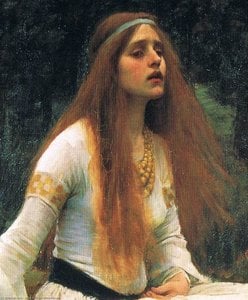
Cleopatra
复刻品尺寸
John William Waterhouse's "Cleopatra," painted in 1890, is more than just a depiction of an ancient queen; it’s a meticulously crafted meditation on power, intellect, and the enduring allure of antiquity. This remarkable work, rendered with the characteristic precision and romantic sensibility of the Pre-Raphaelite movement, invites viewers into a moment of profound introspection within the figure of Cleopatra VII Philopator, the last active ruler of the Ptolemaic Kingdom of Egypt. Waterhouse’s skill lies not merely in his technical mastery – evident in the delicate rendering of fabrics, the subtle play of light and shadow, and the remarkably lifelike portrayal of the subject's face – but also in his ability to imbue the scene with a palpable sense of atmosphere and emotional depth.
“Cleopatra” is deeply embedded within a rich tapestry of historical and mythological symbolism. The inclusion of elements such as the diadem – a potent symbol of royalty and divine authority – and the reference to Isis, the Egyptian goddess of magic and motherhood, firmly anchors the painting within Cleopatra’s world. Waterhouse deliberately evokes the grandeur of ancient Egypt while simultaneously presenting a portrait of a woman grappling with the complexities of her position. The book or manuscript in her lap suggests intellectual pursuits, aligning Cleopatra not just as a queen but also as a scholar and strategist – a deliberate subversion of traditional portrayals that often reduced her to a purely seductive figure.
John William Waterhouse (1849-1917) was a pivotal figure in the Pre-Raphaelite movement, known for his evocative depictions of mythology, literature, and historical subjects. Born in Rome to English parents, he spent his early years immersed in the beauty of Italian art and architecture, an experience that profoundly shaped his artistic sensibilities. “Cleopatra” exemplifies Waterhouse’s ability to seamlessly blend classical influences with a distinctly Romantic vision – a desire to capture not just the outward appearance of a subject but also their inner thoughts and emotions. The painting's meticulous detail and evocative atmosphere are hallmarks of Waterhouse’s oeuvre, solidifying his place as one of the Pre-Raphaelites’ most accomplished artists.
“Cleopatra” transcends a simple portrait; it is an exploration of power, vulnerability, and intellectual curiosity. The woman's contemplative expression invites viewers to share in her moment of reflection, prompting questions about leadership, legacy, and the burdens of responsibility. Waterhouse’s masterful technique and profound understanding of symbolism combine to create a work that continues to resonate with audiences today. A hand-painted reproduction of this iconic image offers an unparalleled opportunity to experience the beauty and intellectual depth of one of John William Waterhouse's most celebrated masterpieces.
约翰·威廉·沃特豪斯 的《Cleopatra》 的主色调为 Putty (#d3cecc)。
"Cleopatra" 由 约翰·威廉·沃特豪斯 以 Pre-Raphaelite Revival 流派风格创作而成。艺术家与艺术流派共同定义了作品的传承。
"Cleopatra" 所蕴含的 Reflective 情感,与其 Pre-Raphaelite Revival 风格相得益彰。
约翰·威廉·沃特豪斯的生命起点,深深植根于罗马那充满古典气息的氛围之中。1849年,他出生于一对英国夫妇之间,父亲威廉与母亲伊莎贝拉皆为画家,这使得艺术的语言成为了他生命中最初的馈赠。自1849年4月6日受洗以来,他的童年岁月便是在这样一个充满创造力的家庭环境中浸润而成的。随着家族最终迁回英国,定居在伦敦的南肯辛顿地区,这一地理位置让他得以近距离接触那个时代最伟大的艺术珍藏。
1870年,他进入伦敦皇家艺术学院学校(Royal Academy of Art Schools)开始接受正式教育。然而,他最初的训练并非源于后来定义其艺术生涯的媒介;相反,他最初是以雕塑学生的身份开启了他的求学之路。这种早期对形态与三维结构的专注,为他日后向绘画领域的转型奠定了坚实的基础。最终,他将目光转向了画布,告别了刻刀,转而开发出一种独特的绘画风格,并以此成就了他辉煌的职业生涯。
约翰·威廉·沃特豪斯主要以油彩为媒介,在画布上精心构筑出一种充满浪漫主义情怀的意境。他的创作风格以严谨细腻的技法著称,并巧妙地运用深邃的象征主义来传达作品的内在涵义。他常将那些充满生命力且富有感官美感的女性角色置于如梦似幻的场景之中,营造出一种既深沉内省又显得遥不可及的氛围。这种超脱尘世的疏离感,是通过对光影极其细腻的处理实现的,这不仅勾勒出主体人物的轮廓,更赋予了画面一种空灵而神圣的质感。
艺术家的调色盘充满了鲜活的色彩,并特别强调皮肤的通透感与光泽度。他笔下的人物往往呈现出一种如瓷器般细腻清澈的质感,这种精准的细节处理与背景中更为流动、松散的笔触形成了鲜明对比。这种在人体形态的精确刻画与周围环境的写意氛围之间的张力,共同构成了他作品中那种如梦似幻的构图特质。此外,他擅长利用衣褶的垂坠感来暗示动作的流动与重量感,这为他笔下的神话与历史人物增添了一种真实的物质存在感。
约翰·威廉·沃特豪斯在古典与浪漫主义文学的字里行间,找到了他最持久的创作主题。他深受荷马史诗与奥维德叙事的影响,常常将古希腊神话转化为对女性形态的视觉研究。他的画布频繁聚焦于神话中的女性,并捕捉她们处于深沉心理重量下的瞬间。在这些人物身上,总有一种挥之不去的忧郁与渴望,一种静谧的哀伤,似乎定义了他对女性经验的艺术诠释。他不仅仅是在为故事绘制插图,更是在试图捕捉他所描绘的角色内心深处的情感状态。
英国诗歌与戏剧的影响,为他的主题兴趣增添了第二层同样重要的维度。他转向丁尼生与济慈的作品,在他们的诗句中为自己的浪漫情怀寻找精神家园。亚瑟王传奇在他的想象力中也占据了核心地位,使他得以探索骑士精神与悲剧浪漫主义的主题。这种对文学的专注进一步延伸到了莎士比亚的戏剧中,他在其中发现了戏剧性的张力与历史的厚度。通过融合这些多元的素材,他创造出一种视觉语言,在遥远的古代文明与维多利亚时代的浪漫主义之间架起了一座桥梁。
约翰·威廉·沃特豪斯的艺术声望,很大程度上源于他那捕捉命运转折瞬间的非凡天赋。他于1888年创作的《夏洛特的夫人》(The Lady of Shalott),至今仍是他对前拉斐尔派风格最卓越的贡献,他将丁尼生的诗句转化为一场关于孤独的视觉叙事。这种对戏剧性文学瞬间的偏爱,贯穿了他的整个创作世纪之交。1896年,他先后创作了《希拉斯与宁芙》(Hylas and the Nymphs)与《潘多拉》(Pandora),这些作品深刻地挖掘了神话背后的心理重量。在这些画作中,一位绝美的女性往往伫立于如梦似幻的背景之中,这一反复出现的艺术母题,定义了他艺术生涯中最辉煌的时期。
随着艺术生涯的不断演进,他的创作主题愈发聚焦于神话与人类情感的交汇点。1900年,他完成了《美人鱼》(A Mermaid);而到了1903年,他将《回声与纳西瑟斯》(Echo and Narcissus)搬上了画布。这些作品运用松散的笔触与独特的用光技巧,营造出一种与主体之间亲密无间的氛围。即便在晚年,艺术家依然保持着对女性形象的专注,正如1908年的《玫瑰之魂》(The Soul of the Rose)所展现的那样。他通过细腻的表情与象征性的细节来刻画人物内心世界的能力,确保了他在维多利亚时代艺术界不可撼动的地位。
在生命的最后阶段,约翰·威廉·沃特豪斯发现自己再次被那些曾定义了早期前拉斐尔派的激情叙事所吸引。这种晚年的痴迷体现在他那些探索深邃且往往带有悲剧色彩的情感图景的作品中,这些情感源自他所钦佩的诗人们。他的创作重心逐渐转向了那种更为深沉、更具精神性的爱,正如他在晚年对薄伽丘《十日谈》所进行的艺术探索所展现的那样。即便在体力日渐衰竭之际,他的画笔依然在人类激情与神话的复杂交织中不断穿行,捕捉着那些永恒的灵魂瞬间。
最终,艺术家的身体在肝癌的侵袭下逐渐衰弱。1917年2月10日,他在伦敦溘然长逝。他最后的创作成果包括几幅宏大的画布作品和油画素描,这些作品映射出他与青年时代那些戏剧性主题之间深厚的情感联结。他最终安葬于伦敦的肯萨尔绿公墓(Kensal Green Cemetery)。
在19世纪末的艺术版图中,约翰·威廉·沃特豪斯占据了一个独特的地位,他宛如一座连接不同时代的桥梁。随着维多利亚时代逐渐向新兴艺术运动过渡,他成功地将前拉斐尔派运动的原则带入了20世纪,确保了其独特的审美感官在时代变迁中依然焕发着生命力。正是凭借这种对艺术理想的卓越适应能力,他的作品在不断演变的英国绘画领域中始终占据着一席之地。
他在艺术体制内的职业生涯伴随着不断的认可与赞誉。1885年,他被授予皇家艺术学院准院士(Associate of the Royal Academy)的称号,这一荣誉为其在1895年正式当选为正式院士奠定了基础。这种地位的稳步提升,不仅反映了他在同辈艺术家中的卓越声望,也标志着他已深度融入伦敦艺术界的正式殿堂。除了在画室中潜心创作,他还通过在圣约翰森林艺术学校(St. John's Wood Art School)的教学工作,将精湛的技艺传授给新一代画家,为艺术传统的延续做出了贡献。
他笔下题材的永恒魅力,至今仍持续吸引着收藏家与艺术史学家的目光。他对于神话与文学人物内心世界及心理深度的敏锐捕捉,已成为他艺术声望中不可或缺的核心。尽管在第一次世界大战后,他的知名度曾经历过起伏,但近年来,人们对他笔下女性形象及历史场景处理方式的重新关注,再次印证了他在维多利亚时代及前拉斐尔派艺术研究领域中举足轻重的地位。
若想亲眼见证约翰·威廉·沃特豪斯笔下那些流动的梦境,在英国及海外的数座顶级艺术博物馆与画廊中,依然可以寻得这些画布的真迹。在伦敦,大英帝国国家美术馆(Tate Britain)珍藏着足以体现他与前拉斐尔派风格深度对话的杰作。此外,他的绘画作品也散见于曼彻斯特美术馆以及位于利物浦的沃克美术馆的馆藏之中。
跨越不列颠群岛,他的艺术影响力甚至延伸到了阿德莱德的南澳大利亚美术馆。这些不同的艺术殿堂共同守护着他对于神话与文学的视觉记忆,完整地保存了这位艺术家在19世纪末至20世纪初艺术巅峰时期的传世之作。

1849 - 1917 , 意大利

Explore iconic Pre-Raphaelite works by Millais and Waterhouse. Discover museum-quality art on WahooArt.com.

Step into the divine beauty of the Sistine Chapel. Explore 25 iconic Renaissance masterpieces by Michelangelo and more. From breathtaking frescoes to timeless legends, find inspiration for museum-quality art reproductions. Discover all masterpieces on WahooArt.com.

Journey through history with 10 iconic artworks celebrating the female figure. From Renaissance grace to modern mastery, explore the stories behind these timeless masterpieces and find museum-quality art reproductions for your decor. Discover all masterpieces on WahooArt.com.

Explore the psychological depth of classical portraiture through masters like Rembrandt and Vermeer. Discover the power of the gaze today.

 实景预览
实景预览
 分享
分享 分享
分享
 详情
详情 指南
指南

 下载作品
下载作品
 相似作品
相似作品 X射线
X射线 幻灯片播放
幻灯片播放 问答
问答
 统计数据
统计数据

 展开全文
展开全文









 玻璃选项仅适用于110厘米以下的尺寸。