
 Oil On CanvasWallArtNeo-Classical Style
 1769Early Modern
 102.0 x 127.0 cm
 波士顿美术馆
博物馆级艺术微喷或帆布版画,制作高效,并提供多种饰面选择。 ( 订购此收藏品的纯手工复刻画作 切换至数字图像销售渠道)





























您可以从与原作比例一致的预设尺寸中进行选择。

请输入您所需的宽度和高度,以适配您的画框或墙面。由于印刷品只能进行裁剪,无法超出原图尺寸,因此若比例不一致,画面的一部分将会被裁切。在正式印刷之前,我们会为您发送一份数字效果图供您确认。本页面显示的图片并非最终裁剪后的效果——只有效果图才能展示真实的裁剪情况。
Nicholas Boylston
复刻品尺寸说明
In the quiet, commanding presence of John Singleton Copley’s Nicholas Boylston, one finds more than just a portrait of a colonial merchant; one encounters a profound manifesto of the Enlightenment. Completed in 1769, this masterpiece serves as a cornerstone of Neo-Classicism, an era defined by a yearning to revive the balanced ideals of ancient Greece and Rome. As you gaze upon the central figure, there is an immediate sense of order and clarity that transcends the mere depiction of a man. Copley does not simply paint a likeness; he constructs a world of reason, where every shadow and every fold of fabric contributes to a larger narrative of moral contemplation and intellectual refinement.
The composition is a masterclass in equilibrium. Eschewing the dramatic, swirling excesses of the preceding Baroque period, Copley embraces a meticulous symmetry that anchors the viewer's eye. Boylston is positioned with a deliberate, central gravity, surrounded by a carefully orchestrated space that feels both intimate and monumental. The subtle presence of another figure in the background does not disrupt this peace but rather enhances the sense of depth and social harmony, mirroring the humanist philosophies of thinkers like Voltaire and Rousseau. For the discerning collector or interior designer, this painting offers a sense of timeless stability, making it an ideal centerpiece for spaces that demand an atmosphere of sophisticated calm.
The true magic of this work lies in Copley’s unparalleled technical virtuosity. Utilizing the rich, luminous potential of oil on canvas, the artist engages in a silent dialogue between light and texture. His ability to render the tactile reality of the material world is nothing short of breathtaking. One can almost feel the weight of the heavy fabrics and the crispness of the gentleman's attire. Through the delicate use of glazing techniques, Copley achieves an astonishing level of realism, allowing light to dance across Boylston’s skin and highlight the subtle contours of his face, conveying a palpable sense of dignity and life.
Every brushstroke serves a purpose in building this sensory experience. The artist’s attention to detail extends beyond the human form to the symbolic objects that populate the scene. The inclusion of books and a decorative vase is far from incidental; these elements act as emblems of the subject's cultivated intellect and worldly success. For those seeking a high-quality reproduction, it is this level of intricate detail—the way light catches the edge of a page or the sheen of a ceramic surface—that brings the soul of the original painting into a modern home, offering an enduring connection to the artistry of the eighteenth century.
To possess a reproduction of Nicholas Boylston is to invite a piece of history into one's personal sanctuary. Copley, a painter who bridged the worlds of colonial America and the grand art circles of London, captured the very essence of an era in transition. His work embodies the tension between the burgeoning wealth of the New World and the established intellectual traditions of the Old. This painting is not merely a decorative object; it is a window into a period of profound social and political upheaval, rendered with a stillness that suggests eternal grace.
Whether placed in a formal study, a grand library, or a contemporary living space, this artwork provides an emotional anchor. It evokes feelings of prestige, wisdom, and quiet strength. For the art lover, it is a tribute to technical mastery; for the designer, it is a tool of profound atmospheric transformation; and for the collector, it is a timeless investment in the beauty of human achievement. Copley’s legacy remains vibrant, reminding us that even in a changing world, the values of balance, clarity, and refinement remain eternally relevant.
"Nicholas Boylston" 属于 约翰·辛格尔顿·科普利 的 Neo-Classical Style 时期作品,其记录的主题包括 renaissance echoes, social status, reason & order, boston legacy。
您可以在作品的下载页面下载约翰·辛格尔顿·科普利 的《Nicholas Boylston》,作为高分辨率数字图像下载。
约翰·辛格尔顿·科普利 的《Nicholas Boylston》 的版权状态非常明确:该作品属于 属于公有领域 —— 其版权已过期。其在 波士顿美术馆 的馆藏身份并不改变这一状态。

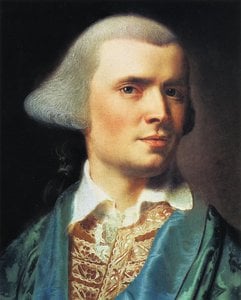
1738 - 1815 , 英国

Discover the profound beauty of Academic Classicism. Explore the principles of order, anatomical precision, and the enduring legacy of Neoclassical masters through this expert guide to timeless elegance and technical perfection in fine art.
Discover the profound elegance of Neoclassicism. Explore how the pursuit of order, symmetry, and Greco-Roman ideals created a timeless aesthetic for collectors seeking grandeur and intellectual depth in fine art and architecture.


 实景预览
实景预览
 发送
发送 分享
分享
 详情
详情 指南
指南

 下载图片
下载图片
 相似作品
相似作品 X射线
X射线 幻灯片播放
幻灯片播放 统计数据
统计数据 阅读全文
阅读全文









 玻璃选项仅适用于110厘米以下的尺寸。


