
 Oil On CanvasWallArtNeo-Classicism
 1767Early Modern
 100.0 x 102.0 cm
 普拉多博物馆
博物馆级艺术微喷或帆布版画,制作高效,并提供多种饰面选择。 ( 订购此收藏品的纯手工复刻画作 切换至数字图像销售渠道)
您可以从与原作比例一致的预设尺寸中进行选择。

请输入您所需的宽度和高度,以适配您的画框或墙面。由于印刷品只能进行裁剪,无法超出原图尺寸,因此若比例不一致,画面的一部分将会被裁切。在正式印刷之前,我们会为您发送一份数字效果图供您确认。本页面显示的图片并非最终裁剪后的效果——只有效果图才能展示真实的裁剪情况。
Martin Howard
复刻品尺寸说明
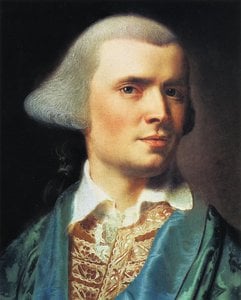
The painting Martin Howard by John Singleton Copley, dated 1767, is a masterpiece that embodies the essence of Neo-Classicism. This captivating portrait, measuring 100 x 102 cm and executed in oil on canvas, is currently housed at the prestigious Thyssen-Bornemisza Museum in Madrid, Spain.
The subject of the painting, Martin Howard, is depicted wearing a striking red coat with a white collar and ruffled hair. He appears to be seated on a chair, exuding an air of sophistication and elegance. The attire suggests that he was a prominent figure during his time, likely holding a position of importance. Howard (1725–1781) was a politician in colonial Rhode Island, known for his controversial support of the Stamp Act of 1765. Later appointed Chief Justice of North Carolina, his life and career were marked by both legal distinction and political upheaval.
The background features a serene blue sky with clouds, adding depth and visual interest to the scene. Notably, there is a book visible in the image, which may indicate that Martin Howard was engaged in reading or studying at the time the portrait was painted. This element adds a layer of symbolism, highlighting his intellectual pursuits. The lighting is dramatic, originating from the left side, casting strong shadows that define the folds of his clothing and create a sense of depth.
John Singleton Copley’s work is characterized by its adherence to the principles of Neo-Classicism. This style emphasizes realism, simplicity, and a return to classical ideals. In Martin Howard, Copley masterfully captures the essence of his subject with precise attention to detail, creating a sense of authenticity. The technique employed is traditional oil painting, utilizing layering and glazing to build up color and form. Copley was known for his ability to depict textures realistically – the sheen of the fabric, the wrinkles on the man’s face - all contributing to the portrait's lifelike quality.
Painted in 1767, this portrait reflects a pivotal moment in American history—the growing tensions between Britain and its colonies. Howard’s support of the Stamp Act made him a controversial figure, and the painting can be seen as both a record of his status and a subtle commentary on the political climate of the time. The overall impression is one of dignified authority tempered by an underlying sense of complexity. The portrait invites viewers to contemplate not only the individual depicted but also the broader historical forces shaping colonial America.
“Martin Howard”属于约翰·辛格尔顿·科普利艺术生涯中的American Period时期。这一分类将该作品与艺术家的创作发展历程联系在一起。
"Martin Howard" 的画幅格式为 Portrait。这对于规划复制品的摆放位置非常有用。
约翰·辛格尔顿·科普利 的《Martin Howard》 展示了Monochromatic的色彩强度。

1738 - 1815 , 英国

Discover the profound beauty of Academic Classicism. Explore the principles of order, anatomical precision, and the enduring legacy of Neoclassical masters through this expert guide to timeless elegance and technical perfection in fine art.


 实景预览
实景预览
 发送
发送 分享
分享
 详情
详情 指南
指南

 下载图片
下载图片
 相似作品
相似作品 X射线
X射线 幻灯片播放
幻灯片播放 统计数据
统计数据 阅读全文
阅读全文






































 玻璃选项仅适用于110厘米以下的尺寸。


