
 Oil On CanvasWallArtNeoclassicism
 1769
1769 101.0 x 127.0 cm
 耶鲁艺术画廊
博物馆级艺术微喷或帆布版画,制作高效,并提供多种饰面选择。 ( 订购此收藏品的纯手工复刻画作 切换至数字图像销售渠道)





























您可以从与原作比例一致的预设尺寸中进行选择。

您可以输入自定义尺寸,以适配特定的画框或空间。如果您选择的尺寸与原图比例不符,我们将对作品进行裁剪,或通过镜像填充/纯色填充边缘的方式来扩展图像。在开始制作之前,我们会向您发送一份数字效果图供您确认。
请注意,屏幕上的预览并不能反映实际的裁剪或扩展效果。只有效果图才能准确展示最终的构图。
虽然我们提供定制尺寸,但为了保持原图比例,我们建议您从预设列表中选择尺寸。
Isaac Smith
复刻品尺寸说明
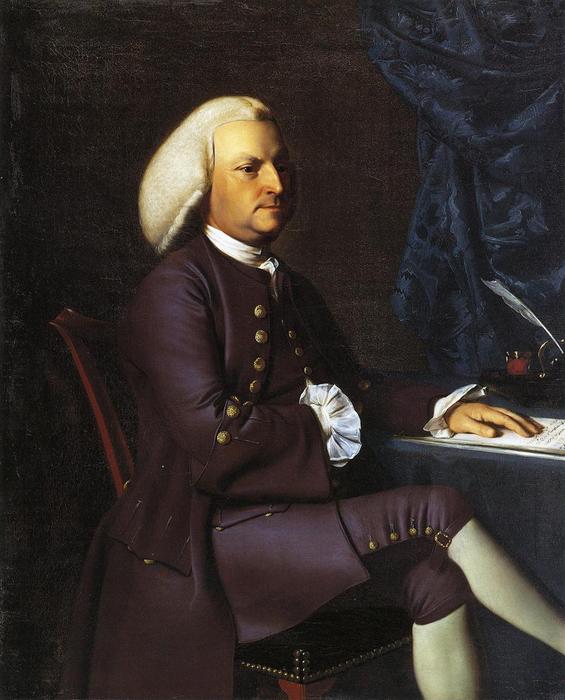
John Singleton Copley’s “Isaac Smith,” painted in 1769, isn't merely a likeness; it’s a carefully constructed window into the burgeoning world of colonial Boston and the aspirations of its wealthy elite. This portrait, now residing within the hallowed halls of the Yale University Art Gallery, exemplifies Copley’s mastery of capturing not just physical appearance but also the subtle nuances of character and social standing – a hallmark of his most celebrated works. The painting immediately draws the eye to Mr. Smith, seated with an air of quiet contemplation, his posture radiating both dignity and a hint of reserved intelligence. He is rendered in rich, dark attire, accented by the crisp white of his ruffled shirt and powdered wig, indicative of the fashionable standards of the era. Copley’s meticulous attention to detail—the texture of the velvet, the sheen of the buttons, the delicate folds of the fabric—demonstrates a profound understanding of materials and their visual impact, reflecting the artist's commitment to realism.
Copley’s style during this period was deeply rooted in Neoclassicism, an artistic movement that sought inspiration from the art and ideals of ancient Greece and Rome. This influence is evident in the portrait’s balanced composition, its emphasis on clear lines and precise forms, and its restrained palette. However, Copley wasn't simply replicating classical models; he infused his work with a distinctly American sensibility, capturing the spirit of a society undergoing rapid transformation. The painting speaks to the growing confidence and prosperity of colonial Boston, a city rapidly becoming a center of trade and finance. The background, deliberately muted and suggestive rather than detailed, directs focus entirely onto Smith, reinforcing his importance within the scene.
“Isaac Smith” offers a fascinating glimpse into the social dynamics of 18th-century Boston. The portrait’s commission itself speaks volumes about the values and priorities of its patron – a wealthy merchant seeking to solidify his position within the community through visual representation. The inclusion of the book on the table subtly hints at Mr. Smith's intellectual pursuits, suggesting an engagement with learning and culture that was increasingly valued during this period. The painting wasn’t just about vanity; it served as a powerful tool for social signaling – a declaration of wealth, status, and refined taste.
Furthermore, the portrait reflects the growing importance of portraiture in colonial America. As the colonies developed their own artistic traditions, portrait painting became increasingly popular among the wealthy elite, providing a means to commemorate themselves and their families. Copley’s portraits were highly sought after, not only for their technical skill but also for their ability to capture the essence of their subjects – their personalities, aspirations, and social standing. The meticulous rendering of Smith's features—his thoughtful gaze, his slightly furrowed brow—suggests a man of considerable intellect and quiet strength.
Copley’s technique in “Isaac Smith” is characterized by an extraordinary level of detail and precision. He employed the sfumato technique, subtly blending colors to create soft transitions and a sense of atmospheric depth. This approach is particularly evident in the rendering of Smith's clothing, where Copley masterfully captures the textures and folds of the fabric with remarkable accuracy. The artist’s use of light and shadow further enhances the portrait’s realism, creating a three-dimensional effect that draws the viewer into the scene.
The painting is executed in oil on canvas, a medium favored by Copley for its ability to capture subtle nuances of color and texture. He utilized a layering technique, applying thin glazes of paint over previous layers to build up depth and richness. This meticulous approach required considerable skill and patience, reflecting Copley’s dedication to his craft. The brushstrokes are remarkably controlled, contributing to the overall sense of composure and refinement that permeates the portrait.
“Isaac Smith” remains a compelling testament to John Singleton Copley's artistic genius and a valuable window into colonial American society. Its enduring appeal lies not only in its technical brilliance but also in its ability to evoke a sense of timeless elegance and quiet dignity. Today, reproductions of this iconic portrait continue to captivate art enthusiasts worldwide, offering a glimpse into the world of 18th-century Boston and the remarkable talent of one of America’s most celebrated artists. Consider acquiring a high-quality reproduction – a tangible connection to a pivotal moment in American artistic history.
与 约翰·辛格尔顿·科普利 的《Isaac Smith》 相似的作品已汇集在作品的 相似作品 页面中。
鉴于其创作于1769年,作品《Isaac Smith》属于约翰·辛格尔顿·科普利的Mature Period时期。
您可以在 耶鲁艺术画廊, 哈福德, 美国 欣赏到原件《Isaac Smith》。
关于《Isaac Smith》的创作者 约翰·辛格尔顿·科普利,其记录在案的其他名称包括 约翰·单格尔顿·科普利 (Full Name)。
在“Isaac Smith”中,Oil On Canvas技法与Neoclassicism运动完美融合。
Medium 尺寸,Portrait 构图:这是为 约翰·辛格尔顿·科普利 的《Isaac Smith》 建议的打印设置。
约翰·辛格尔顿·科普利 的《Isaac Smith》 的材质为 Oil On Canvas,记录尺寸为 101 x 127 cm。
您可以在作品的幻灯片播放页面上观看“Isaac Smith”的幻灯片展示。


1738 - 1815 , 英国

Explore the profound beauty of American art history. From the Hudson River School to iconic landscapes, discover a curated journey through the masterpieces that defined a nation's spirit and the enduring legacy of American Romanticism.

Explore the profound beauty of American Regionalism. Delve into the art history of Grant Wood and John Steuart Curry, uncovering how these masters captured the soul of the American Heartland through iconic landscapes and rural identity.

Discover the profound allure of oil on canvas. Explore the mastery of impasto textures, the science of pigment longevity, and expert guides to selecting museum-quality reproductions that elevate your collection with timeless elegance and tactile depth.

 实景预览
实景预览
 发送
发送 分享
分享
 详情
详情 指南
指南

 下载图片
下载图片
 相似作品
相似作品 X射线
X射线 幻灯片播放
幻灯片播放 统计数据
统计数据 阅读全文
阅读全文









 玻璃选项仅适用于110厘米以下的尺寸。


