
 Oil On CanvasWallArtNeo-Classicism
 1772Early Modern
 101.0 x 126.0 cm
 国家美术馆
国家美术馆博物馆级艺术微喷或帆布版画,制作高效,并提供多种饰面选择。 ( 订购此收藏品的纯手工复刻画作 切换至数字图像销售渠道)
您可以从与原作比例一致的预设尺寸中进行选择。

请输入您所需的宽度和高度,以适配您的画框或墙面。由于印刷品只能进行裁剪,无法超出原图尺寸,因此若比例不一致,画面的一部分将会被裁切。在正式印刷之前,我们会为您发送一份数字效果图供您确认。本页面显示的图片并非最终裁剪后的效果——只有效果图才能展示真实的裁剪情况。
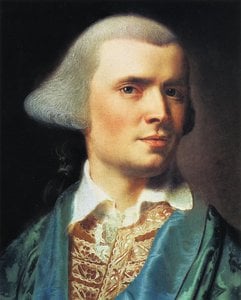
Eleazer Tyng
复刻品尺寸说明
The portrait of Eleazer Tyng, painted by John Singleton Copley in 1772, stands as a significant example of American Neoclassical portraiture. Housed within the National Gallery of Art, this artwork offers a glimpse into the life and status of a prominent figure during colonial times. The painting’s meticulous detail and realistic rendering capture not only Tyng's likeness but also convey a sense of wisdom and dignified composure.
John Singleton Copley was a pioneering Anglo-American painter renowned for his exceptional skill in capturing the likenesses of wealthy and influential figures in colonial New England. He was largely self-taught, demonstrating an innate talent and dedication to his craft. His work is characterized by attention to detail, realism, and a deep understanding of his subjects. Copley's artistic contributions extended beyond portraiture; he also explored landscapes and innovative depictions of modern life.
The painting exemplifies the principles of Neoclassicism, an art movement that emphasized order, simplicity, and classical ideals. Copley’s technique involved meticulous observation and skillful execution using oil paints on canvas. The portrait measures 101 x 126 cm. Noticeable are the dramatic lighting effects creating strong contrasts between light and shadow, which emphasize wrinkles and texture on Tyng's face and clothing. This attention to detail contributes to a sense of realism while maintaining an air of formality characteristic of Neoclassical portraits.
Eleazer Tyng (1724-1809) was a prominent figure in colonial Massachusetts, serving as a judge and holding various important positions within the community. The portrait reflects his status and influence during a period of significant change leading up to the American Revolution. The painting provides valuable insight into the attire and social customs of the elite class in colonial America. It is believed that Tyng's family commissioned the portrait, likely as a means of commemorating his legacy.
Beyond its historical significance, the portrait evokes a sense of quiet dignity and contemplative wisdom. Tyng’s seated posture and direct gaze convey an impression of authority and intelligence. The formal attire further reinforces his status and position within society. While the overall tone is somber, the painting's skillful execution and attention to detail create a lasting emotional impact, inviting viewers to connect with a figure from colonial history.
若要预览 约翰·辛格尔顿·科普利 的《Eleazer Tyng》 复制品的详情,请打开该作品的 预览 页面。
约翰·辛格尔顿·科普利 的《Eleazer Tyng》 的记录数值为:亮度 deep_shadow,亮度感 Dark。
“Eleazer Tyng”属于Early Modern时期。

1738 - 1815 , 英国
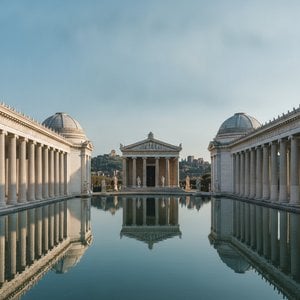
Discover the profound elegance of Neoclassicism. Explore how the pursuit of order, symmetry, and Greco-Roman ideals created a timeless aesthetic for collectors seeking grandeur and intellectual depth in fine art and architecture.

Discover the profound beauty of Academic Classicism. Explore the principles of order, anatomical precision, and the enduring legacy of Neoclassical masters through this expert guide to timeless elegance and technical perfection in fine art.


 实景预览
实景预览
 发送
发送 分享
分享
 详情
详情 指南
指南

 下载图片
下载图片
 相似作品
相似作品 X射线
X射线 幻灯片播放
幻灯片播放 统计数据
统计数据 阅读全文
阅读全文






































 玻璃选项仅适用于110厘米以下的尺寸。


