
 Oil On CanvasWallArtImpressionistic Realism
 190219th Century
 229.0 x 230.0 cm
 泰特不列颠美术馆
博物馆级艺术微喷或帆布版画,制作高效,并提供多种饰面选择。 ( 购买手绘画作 切换至数字图像销售渠道)





























从与原作比例一致的预设尺寸中进行选择。

您可以输入自定义尺寸,以适配特定的画框或空间。如果您选择的尺寸与原图比例不符,我们将对作品进行裁剪,或通过镜像填充/纯色填充边缘的方式来扩展图像。在开始制作之前,我们会向您发送一份数字效果图供您确认。
请注意,屏幕上的预览并不能反映实际的裁剪或扩展效果。只有效果图才能准确展示最终的构图。
虽然我们提供定制尺寸,但为了保持原图比例,我们建议您从预设列表中选择尺寸。

The Misses Hunter
复制品尺寸
In the grand tapestry of early twentieth-century portraiture, few works capture the shimmering essence of high society quite like John Singer Sargent’s “The Misses Hunter.” Painted in 1902, this monumental oil on canvas is far more than a mere record of faces; it is an evocative window into the Edwardian era, a time defined by aristocratic grace and a meticulous preoccupation with social refinement. The painting depicts three sisters—Kathleen, Cary Phyllis, and Sylvia Hunter—seated intimately upon a plush, circular confidante sofa. Their presence is anchored by the charming addition of their dog, Crack, who rests near the foreground, lending a touch of warmth and domestic tenderness to an otherwise formal arrangement. As one gazes upon the canvas, there is an immediate sense of being invited into a private, opulent world, where every fold of silk and every subtle shadow whispers of a life lived with profound distinction.
Sargent, often celebrated as the "Van Dyck of our times," masterfully orchestrates a composition that balances monumental scale with an intimate emotional core. The sheer size of the work—measuring approximately 229 x 230 cm—commands the room, making it an unparalleled centerpiece for any sophisticated interior. While the subjects are positioned closely together, creating a sense of familial unity, Sargent employs a brilliant use of color to guide the viewer's eye. The palette is a sophisticated dance of deep blues, velvety blacks, and creamy tones, but it is the sudden, arresting splash of crimson in one of the sisters' dresses that acts as the painting's heartbeat. This bold choice provides a visual anchor, injecting a vibrant energy into the subdued, luxurious atmosphere of the room.
What truly elevates “The Misses Hunter” from a traditional portrait to a masterpiece of modern technique is Sargent’s ability to blend the rigorous precision of realism with the spontaneous spirit of Impressionism. His brushwork is nothing short of virtuosic; he utilizes loose, flowing strokes that imbue the heavy drapery and fine fabrics with a sense of movement and life. One can almost feel the tactile richness of the textiles—the weight of the silk, the softness of the upholstery, and the delicate texture of the dog's fur. This technique creates a luminous quality, where light does not simply hit the subjects but seems to emanate from within the very layers of pigment.
The lighting is diffused and warm, casting a gentle glow that softens the edges of the figures and integrates them seamlessly into their opulent surroundings. By blurring the background, Sargent achieves a profound sense of depth, ensuring that while the setting feels grand and expansive, the focus remains unshakeable on the emotional essence of the sisters. This interplay of light and shadow creates an atmosphere of quiet contemplation, inviting the observer to linger on the subtle gradations of tone. For the discerning collector or interior designer, this painting offers a rare opportunity to possess a work that embodies both historical gravity and a timeless, atmospheric beauty that transcends the decades.
Beyond its aesthetic brilliance, “The Misses Hunter” carries a profound historical weight. Commissioned by the sisters' mother, Mary—a prominent Edwardian hostess and a close friend of both Sargent and the sculptor Rodin—the painting serves as a testament to the interconnectedness of the era's great artistic and social circles. To display a high-quality reproduction of this work is to bring more than just decor into a space; it is to introduce a narrative of prestige, culture, and enduring elegance. Whether placed in a grand salon or a curated study, the painting acts as a focal point of conversation, offering an enduring sense of luxury and a sophisticated connection to the golden age of portraiture.

1856 - 1925 , 意大利

Discover the breathtaking elegance of John Singer Sargent's masterpieces. From iconic Gilded Age portraits to impressionistic landscapes, explore the technical brilliance and timeless allure of this American master through our premium, hand-painted fine art reproductions.
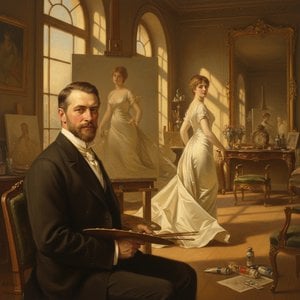
Discover the luminous mastery of John Singer Sargent. Explore an expert analysis of his legendary light, Gilded Age elegance, and technical brilliance, perfect for fine art enthusiasts seeking to bring timeless classical beauty into their modern collections.


 效果预览
效果预览
 分享
分享 分享
分享
 详情
详情

 下载
下载
 相似作品
相似作品 X射线
X射线 幻灯片播放
幻灯片播放 统计数据
统计数据 展开详情
展开详情









 玻璃选项仅适用于110厘米以下的尺寸。


