博物馆级艺术微喷或帆布版画,制作高效,并提供多种饰面选择。 ( 购买手绘画作 切换至数字图像销售渠道)





























从与原作比例一致的预设尺寸中进行选择。

您可以输入自定义尺寸,以适配特定的画框或空间。如果您选择的尺寸与原图比例不符,我们将对作品进行裁剪,或通过镜像填充/纯色填充边缘的方式来扩展图像。在开始制作之前,我们会向您发送一份数字效果图供您确认。
请注意,屏幕上的预览并不能反映实际的裁剪或扩展效果。只有效果图才能准确展示最终的构图。
虽然我们提供定制尺寸,但为了保持原图比例,我们建议您从预设列表中选择尺寸。

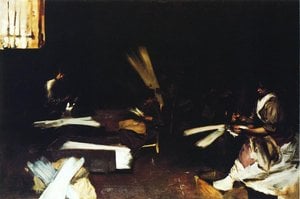
Granada: The Weavers
复制品尺寸
In the quiet corners of art history, few works capture the intersection of human industry and atmospheric beauty as poignantly as John Singer Sargent’s 1912 masterpiece, Granada: The Weavers. This evocative piece is far more than a mere documentation of a textile workshop; it is an exquisite distillation of the Impressionist ethos, where the boundaries between the physical world and the emotional experience begin to blur. As one gazes upon this monochrome marvel, they are not simply observing weavers at work, but are instead invited into a space where light itself becomes a character, dancing across the textures of thread and stone to celebrate the dignity of everyday life.
The scene unfolds within the modest confines of a workshop, a space defined by its rhythmic, industrious energy. Sargent masterfully directs our attention to two central figures engaged in the meticulous art of weaving. One man stands with a posture of profound concentration, his presence anchoring the composition, while another is positioned toward the periphery, bathed in the soft, ethereal glow emanating from a nearby window. This interplay of light and shadow—the chiaroscuro effect—creates a sense of depth that pulls the viewer into the very heart of the studio. In the background, the subtle presence of a dining table topped with a simple bowl adds a layer of domestic tranquility, suggesting that even within the bustle of labor, there exists a quiet, grounded peace.
Sargent’s technical prowess is on full display through his use of oil on panel, a medium that allowed him to achieve unparalleled tonal gradations. Influenced by the legendary techniques of Monet and Renoir, Sargent eschewed the rigid constraints of meticulous realism in favor of capturing the immediatcy of the moment. He applied thin, translucent washes of color to build up layers that mimic the way light filters through dust-mote filled air. This method creates an illusionistic depth, making the workshop feel less like a static image and more like a living, breathing environment.
For the discerning collector or interior designer, this painting offers a unique versatility. Its monochromatic palette and subtle tonal shifts allow it to integrate seamlessly into a variety of sophisticated decor styles—from the understated elegance of a modern minimalist gallery to the rich, textured warmth of a classical study. The artwork does not demand attention through loud colors, but rather commands respect through its profound emotional resonance and its ability to evoke a sense of timelessness.
Painted during Sargent’s prolific Parisian period, Granada: The Weavers reflects the broader artistic currents of the early 20th century, specifically the burgeoning interest in exploring psychological states through everyday landscapes. There is a deep sense of humanism embedded in every brushstroke; Sargent captures the dignity of the working class not as a subject of pity, but as a subject of grace and focused purpose. The painting serves as a bridge between the industrial reality of the era and the romanticized beauty of the Impressionist movement.
To possess a reproduction of this work is to bring a piece of the Gilded Age’s soul into one's personal space. It is an invitation to slow down, to observe the beauty in the mundane, and to appreciate the delicate balance between effort and serenity. Whether used as a focal point in a grand hall or a contemplative accent in a private library, Granada: The Weavers remains a testament to Sargent’s ability to transform a fleeting moment of labor into an eternal monument of light.


1856 - 1925 , 意大利

Master the nuances of Impressionism vs. Post-Impressionism with our expert guide. Explore the revolutionary shift from Monet’s fleeting light to Van Gogh’s emotional depth. Discover how these iconic movements continue to inspire fine art collectors and modern interiors today.

Discover the breathtaking elegance of John Singer Sargent's masterpieces. From iconic Gilded Age portraits to impressionistic landscapes, explore the technical brilliance and timeless allure of this American master through our premium, hand-painted fine art reproductions.

Embark on a sophisticated journey through the tactile realm of textile art. Unveil the historical evolution from utilitarian craft to museum-grade masterpieces, exploring the intricate textures and legendary artists that redefine the boundaries of fine art.
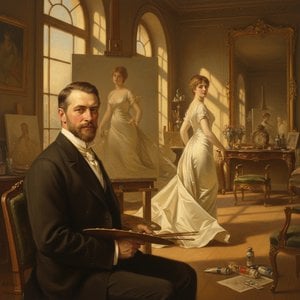
Discover the luminous mastery of John Singer Sargent. Explore an expert analysis of his legendary light, Gilded Age elegance, and technical brilliance, perfect for fine art enthusiasts seeking to bring timeless classical beauty into their modern collections.


 效果预览
效果预览
 分享
分享 分享
分享
 详情
详情

 下载
下载
 相似作品
相似作品 X射线
X射线 幻灯片播放
幻灯片播放 统计数据
统计数据

 展开详情
展开详情









 玻璃选项仅适用于110厘米以下的尺寸。