
由我们的艺术家按需定制,为您提供您所选尺寸及画框的布面手工油画。 ( 切换至版画销售渠道 切换至数字图像销售渠道)





























从与原作比例一致的预设尺寸中进行选择。

您可以输入自定义尺寸,以适配特定的画框或空间。如果所选尺寸与原图比例不符,我们将通过裁剪作品或添加手绘元素来扩展画面。数字样稿将在制作开始前发送给您确认。
请注意,屏幕预览无法准确反映实际的裁剪或扩展效果,只有样稿才能真实呈现最终的构图。
虽然我们提供定制尺寸服务,但为了保留原作比例,建议您从预设列表中选择尺寸。

Gardens at Florence
复制品尺寸
John Singer Sargent's "Gardens at Florence," painted in 1910, offers a captivating glimpse into the artist’s profound understanding of light and atmosphere. This watercolor captures not merely a garden scene, but an evocation of tranquility – a carefully constructed illusion of peace within the bustling world of the early 20th century. The painting's subject is deceptively simple: a lush garden brimming with life, yet Sargent elevates it through masterful technique and a deeply considered composition. The delicate washes of color, characteristic of his watercolor style, create an ethereal quality, blurring the boundaries between observation and imagination. The artist’s ability to render the subtle shifts in light filtering through foliage is particularly striking, lending a luminous warmth to the scene.
Sargent was renowned for his exceptional command of watercolor, a medium he embraced with passionate intensity. “Gardens at Florence” exemplifies this mastery. Notice the loose, expressive brushstrokes that define the foliage – not meticulously detailed, but rather conveying a sense of movement and vibrancy. The artist employs wet-on-wet techniques extensively, allowing colors to bleed and blend naturally, creating soft edges and atmospheric perspective. This approach is crucial in establishing depth; the distant trees recede into a hazy blue, while the foreground flowers are rendered with greater clarity and detail. The use of pinks and yellows – prominent throughout the composition – isn’t merely decorative; it's strategically employed to enhance the sense of warmth and serenity, echoing the romantic ideals prevalent in Sargent’s work.
Painted in 1910, “Gardens at Florence” reflects a pivotal moment in Sargent’s career. Having spent his formative years in Italy – born in Florence to American expatriate parents – he possessed an intimate understanding of Italian artistic traditions. This knowledge is subtly woven into the painting's aesthetic, reminiscent of the idyllic landscapes favored by artists like Claude Lorrain and Nicolas Poussin. The work also aligns with the broader trends of the Gilded Age, a period characterized by opulent wealth and a fascination with beauty and leisure. Sargent’s portraits of wealthy patrons were often set within luxurious interiors or gardens, reflecting this societal obsession. The painting can be seen as an escape from the pressures of urban life, mirroring the desire for tranquility and refinement that defined the era.
Beyond its technical brilliance, “Gardens at Florence” resonates with a profound sense of peace and contemplation. The carefully arranged flowers – pinks and yellows dominating the palette – symbolize beauty, innocence, and perhaps even fleeting joy. The garden itself represents an idealized space, a refuge from the complexities of the world. Sargent’s ability to capture this emotional atmosphere is what elevates this work beyond a simple landscape painting; it's a testament to his artistic sensitivity and his profound understanding of human emotion. This piece evokes feelings of calm, nostalgia, and appreciation for the beauty of nature – qualities that continue to resonate with viewers today.


1856 - 1925 , 意大利
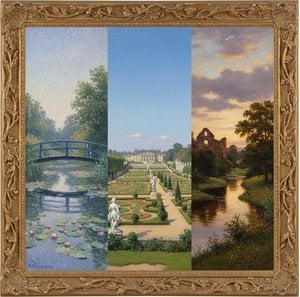
Embark on a visual journey through the serene beauty of gardens and parks in fine art. Discover how master artists capture nature's tranquility through impressionistic blooms and classical landscapes to bring timeless elegance into your home collection.

Discover the ethereal beauty of watercolor through an art-historical lens. Master the delicate balance of light, fluidity, and pigment to capture the luminous essence of nature, inspired by the legendary techniques of the Old Masters and Impressionist greats.
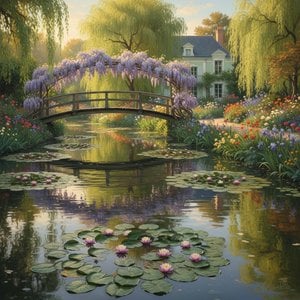
Embark on a visual journey through Claude Monet's Giverny. Discover the enchanting light, vibrant colors, and breathtaking landscapes of his legendary gardens through an expert exploration of Impressionist mastery and timeless beauty.

Discover the breathtaking elegance of John Singer Sargent's masterpieces. From iconic Gilded Age portraits to impressionistic landscapes, explore the technical brilliance and timeless allure of this American master through our premium, hand-painted fine art reproductions.

Discover the ethereal beauty of premium watercolor reproductions and bespoke commissions at WahooArt. From museum-quality landscapes to custom AI-enhanced portraits, our master artists deliver unparalleled craftsmanship and white-glove service for discerning collectors worldwide.


 效果预览
效果预览
 分享
分享 分享
分享
 详情
详情 Guide
Guide

 下载
下载
 相似作品
相似作品 X射线
X射线 幻灯片播放
幻灯片播放 统计数据
统计数据

 展开详情
展开详情









 玻璃选项仅适用于110厘米以下的尺寸。


